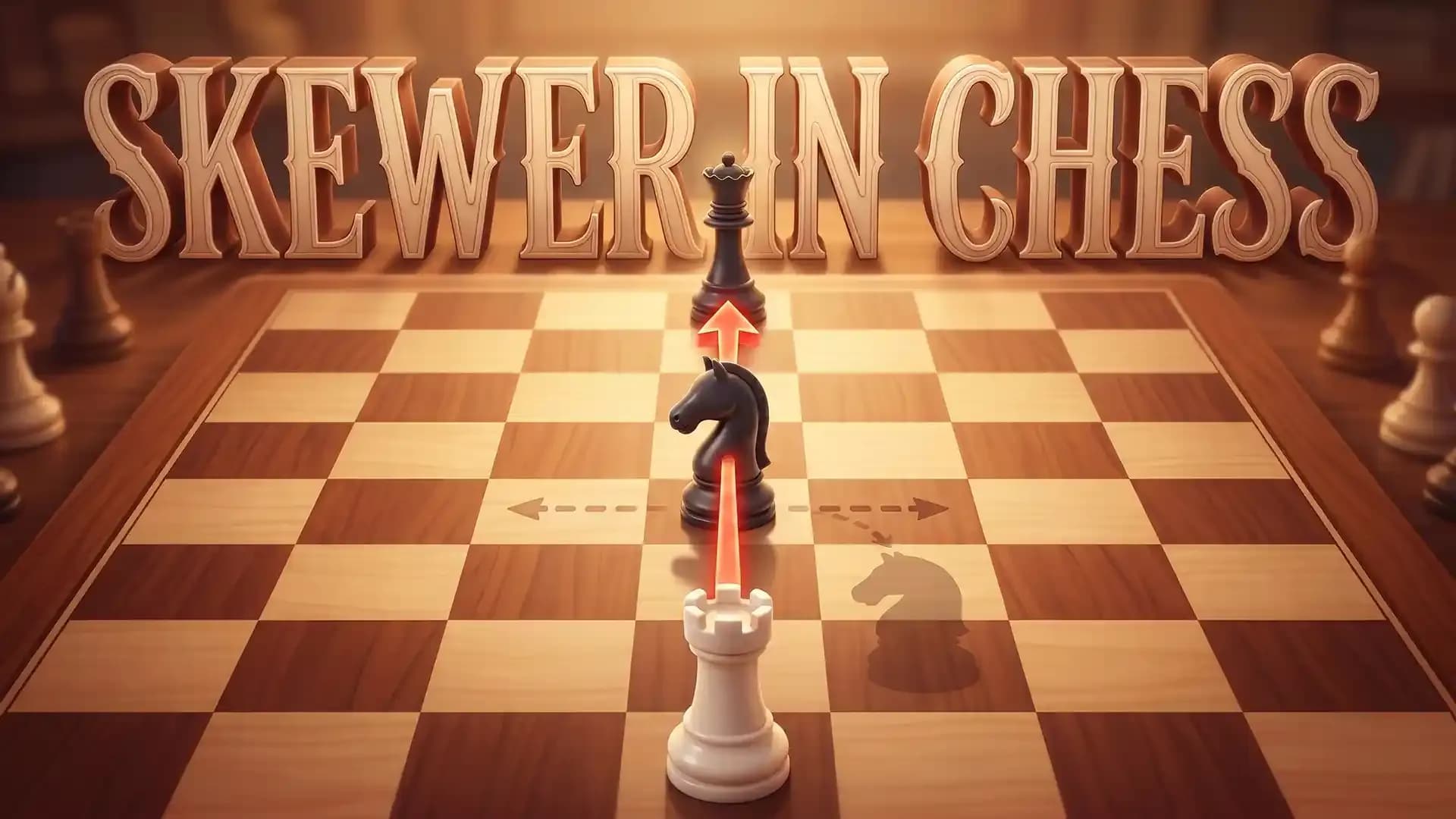
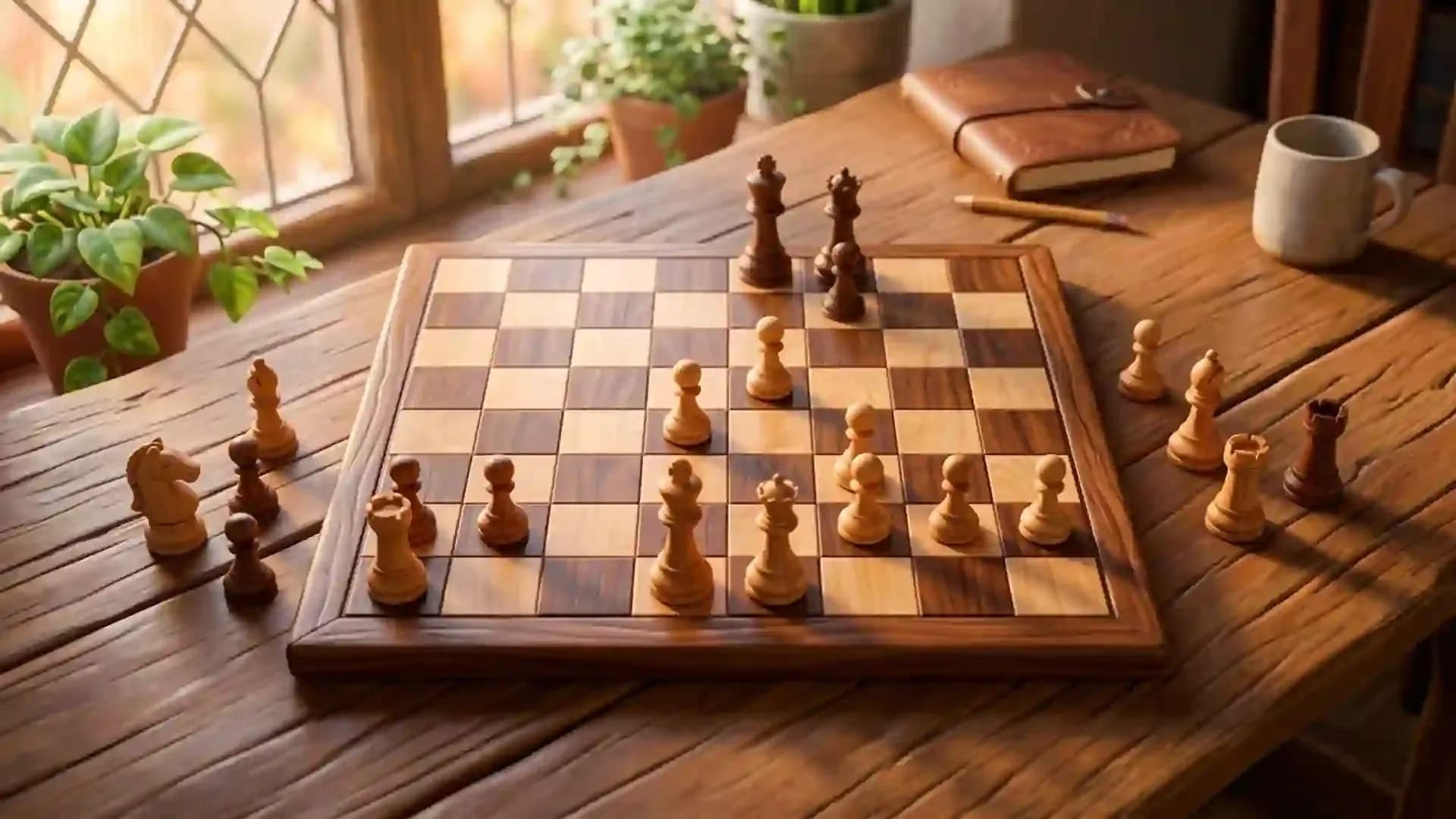
How to Play Chess: Easy Rules & Beginner Tips


Types of Chess: Explore All Variants and How They're Played
Discover the different types of chess, including classical, rapid, blitz, and modern variants. Learn the rules, differences, and pick the best one to play today.
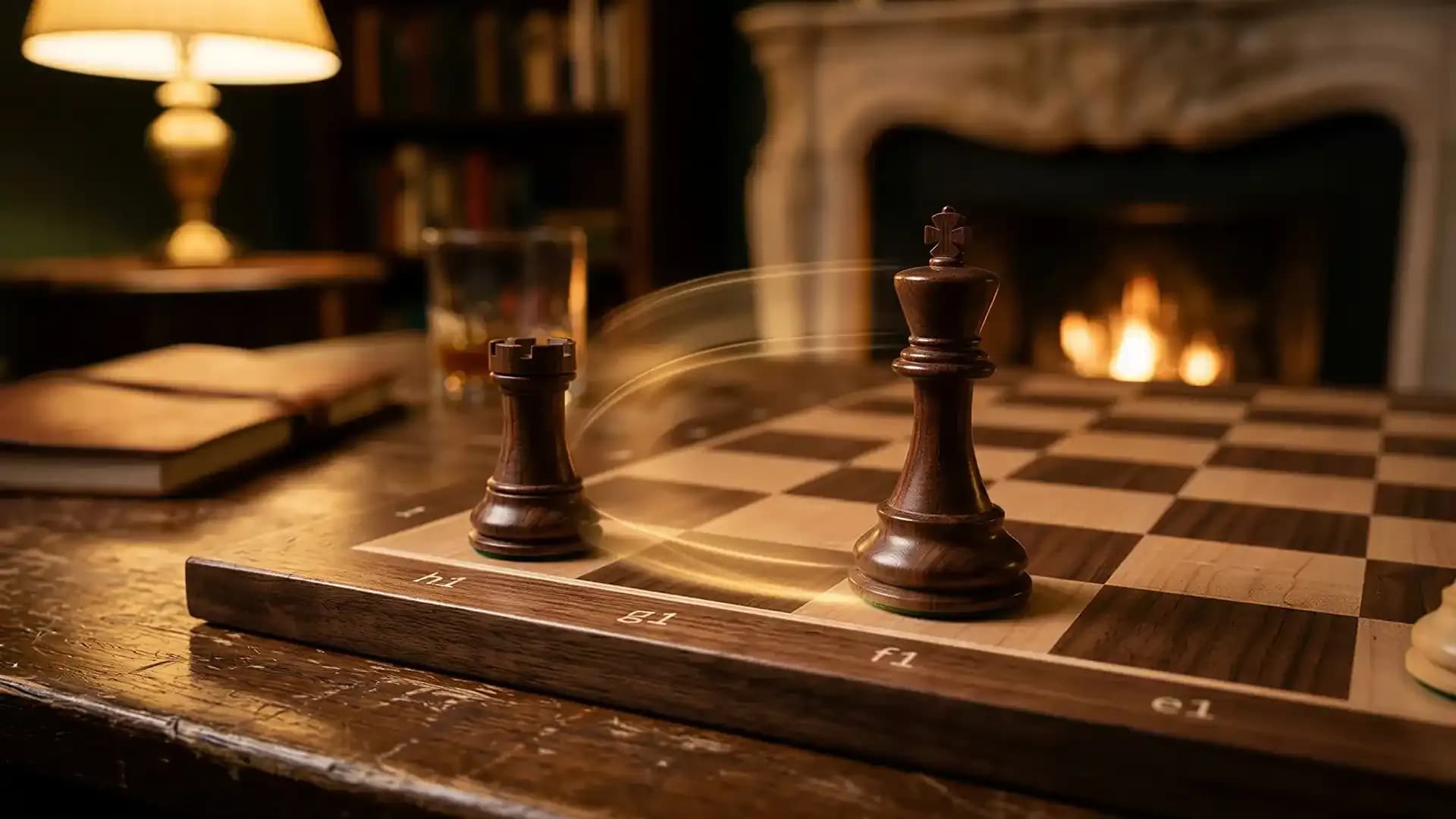
Castling in Chess: Rules, Long Castling & How to Castle
Castling in chess is a special move that allows the king and rook to move at the same time, helping protect the king and activate the rook for better board control.
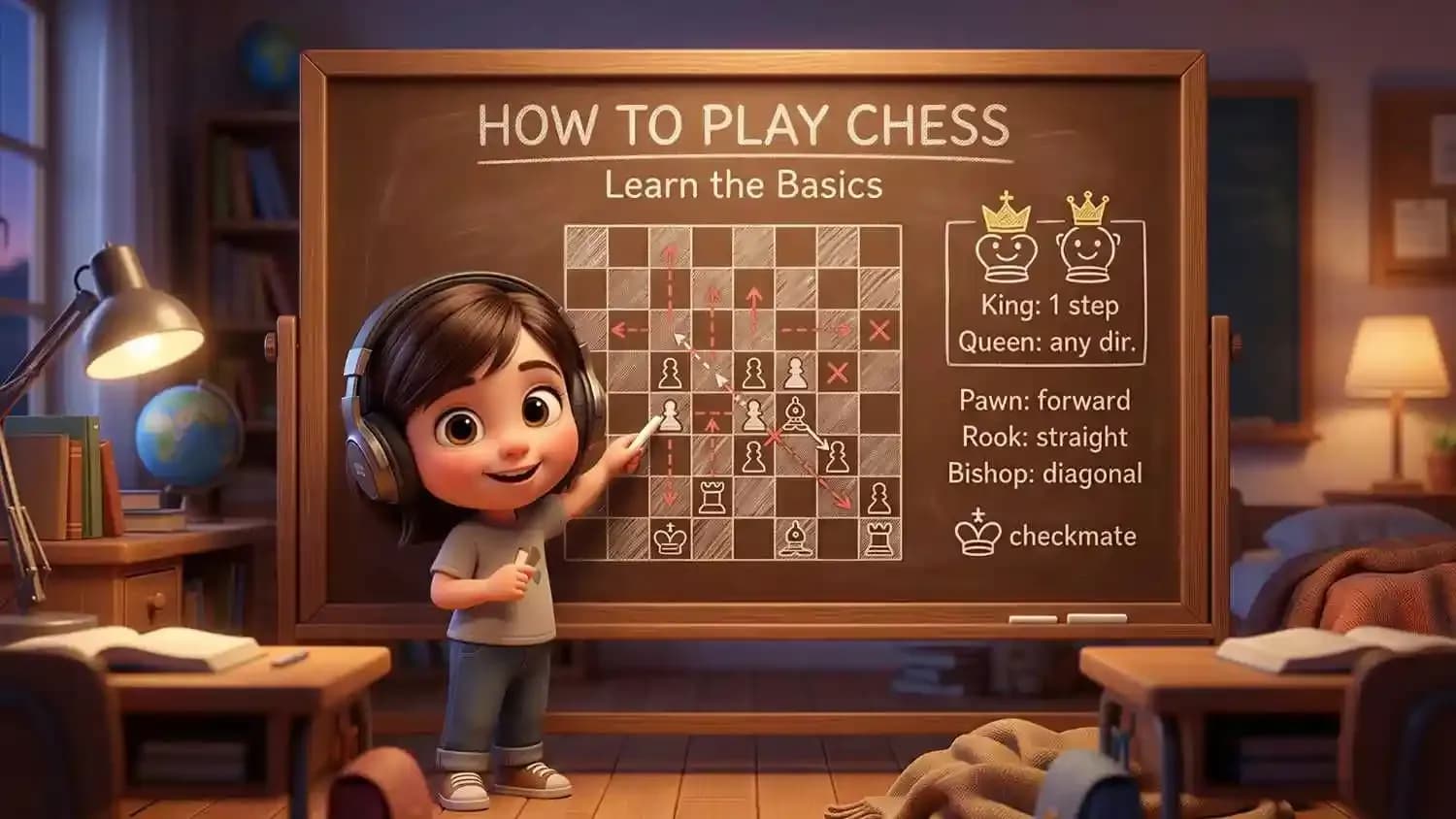
How to Play Chess: Easy Rules & Beginner Tips
How to play chess explained simply with board setup, piece rules, checkmate basics, and beginner strategies. Follow this guide and start playing today.

Youngest Chess World Champion: Top 10 Youngest Champions in History
Only a handful of players have ever claimed the title of youngest chess world champion, and the record keeps getting shattered. From Gukesh Dommaraju's historic 2024 win at just 18 to Kasparov's 40-year reign atop the record books, here's the full ranked list, timeline, and the rising prodigies who could break it next.
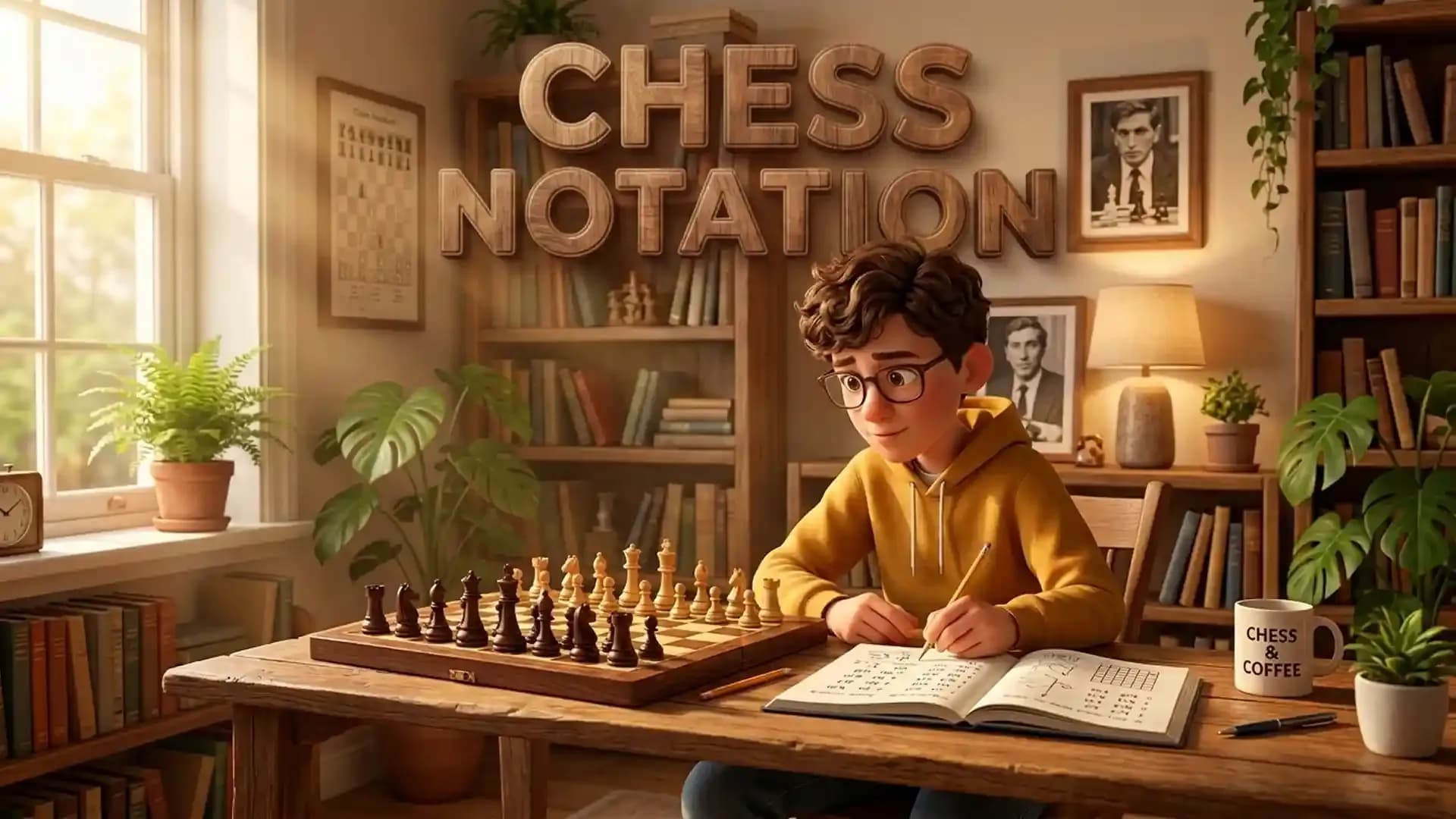
Chess Notation Explained: A Complete Guide to Reading and Writing Algebraic Notation
Master chess notation with our complete guide covering algebraic symbols, board coordinates, special moves and annotations. Start reading games today!

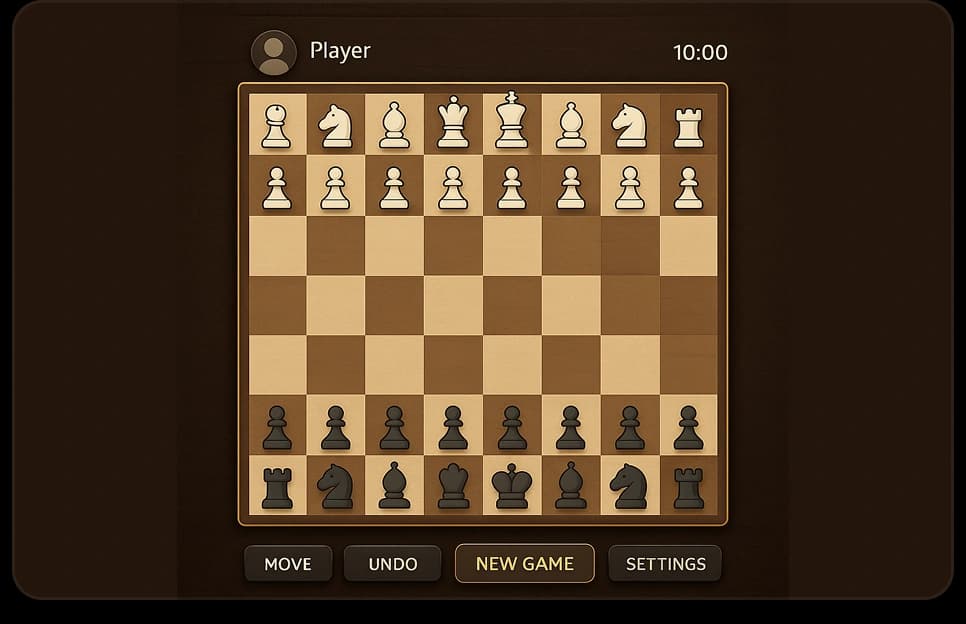
Chess is one of the most popular and oldest board games in the world, originating in India. However, many people still want to learn how to play chess and understand its rules and strategies.
This guide explains how the chessboard works, how each piece moves, and how games are won. No prior experience is needed. By the end, you will feel confident enough to start playing and improving, especially by practicing chess online.
Table of contents
- How to Play Chess and What the Game Is About
- Chess Board Setup for Beginners
- Chess Piece Names and How They Move
- Special Chess Rules Beginners Must Know
- How to Win a Chess Game
- Basic Chess Rules Every Beginner Should Remember
- Beginner Chess Tips to Win More Games
- How to Learn and Practice Chess Faster
- Common Chess Mistakes Beginners Make
How to Play Chess and What the Game Is About

Before learning how to play chess for beginners, it is important to understand what the game is about. Many beginners also compare chess vs checkers before choosing which strategy game to learn first, since both are played on an 8x8 board but follow very different rules. Chess is a two-player strategy game that is played on a square board. Every player has an army of pieces and turns within his/her own. The main objective of the game is to checkmate the opponent's king.
Checkmate means the king is attacked and cannot escape. Learning this goal early helps players understand how to improve at chess and make better decisions during the game.
Chess Board Setup for Beginners
The Chess Board Layout: The chessboard has 64 squares arranged in 8 rows and 8 columns. The squares are light and dark-colored. One of the rules is that both players must always have the bottom-right square light. Knowing how to set up a chess board is an important first step for beginners.
Each player begins with 16 pieces. The back row is arranged from left to right as rook, knight, bishop, queen, king, bishop, knight, rook. Pawns are placed in a row directly in front of these pieces. One easy tip is that the queen always starts on a square matching her color.
Chess Piece Names and How They Move

Each chess piece moves in its own way, and learning these movements helps beginners quickly understand the game.
Pawn Basic Moves and Capturing
- Pawns move forward one square. On their first move, they can move two squares. Pawns capture pieces diagonally. This is why many beginners ask, can chess pieces move backwards, since pawns are the only pieces that cannot retreat once moved.
- Beginner tip: Pawns help control space and protect stronger pieces while making a great pawn structure.
Rook Straight Line Movement
- The rook moves any number of squares horizontally or vertically. It cannot jump over pieces.
- Beginner tip: Rooks are strongest on open lines.
Knight L Shape Movement
- Knights move in an L shape and can jump over other pieces.
- Beginner tip: Knights work best near the center of the board.
Bishop Diagonal Movement
- Bishops move diagonally across the board. Each bishop stays on one color for the whole game.
- Beginner tip: Use bishops to control long diagonals.
Queen Most Powerful Piece
- The queen combines the moves of the rook and bishop.
- Beginner tip: Do not bring the queen out too early.
King One Square Movement
- The king moves one square in any direction. The game is lost if the king is trapped.
- Beginner tip: Keep your king safe by castling early.
Special Chess Rules Beginners Must Know
Castling Explained Simply: Castling is a special move that helps protect the king and activate a rook. It can only be done if neither the king nor the rook has moved, the path is clear, and the king is not in check or passing through check.
En Passant Rule: This is a special pawn capture that can happen immediately after a pawn moves two squares forward. Beginners do not need to worry about mastering this rule early.
Pawn Promotion: When a pawn reaches the final row, it is promoted to a queen or another piece except the king. Promotion is one of the best ways to win chess game.
How to Win a Chess Game
- Control the center by moving your pawns and pieces toward the middle of the board. This gives you more space and better control of the game.
- Develop your pieces early. Bring out your knights and bishops quickly instead of moving the same piece many times.
- Castle early to keep your king safe and connect your rooks. A safe king helps you play with confidence.
- Watch your opponent's moves and think about their ideas. Do not play fast moves without checking for danger. Writing down moves using chess notation during practice games also trains you to slow down and think more carefully before each move.
- Protect your pieces and look for free pieces from your opponent. Winning material often decides the game.
- Use simple tactics like forks, pins, and checks to gain an advantage. These ideas appear in almost every game.
- Improve your piece positions in the middle game and avoid unnecessary risks. Strong positions win games. You need to understand the chess middle game strategy.
- In the endgame, activate your king and push your pawns carefully. Try to promote a pawn into a queen.
- Stay calm, be patient, and learn from every game you play. Practice and experience are the real keys to winning chess.
As you improve, you may also wonder what counts as a good chess rating at different levels of play.
Basic Chess Rules Every Beginner Should Remember
Each player starts with 16 pieces. White always moves first. The main goal is to checkmate the opponent’s king, which means the king is in danger and cannot escape.
Each piece moves differently. Pawns move forward but capture diagonally. Rooks move straight. Bishops move diagonally. Knights move in an L shape and can jump over pieces. The queen moves in all directions. The king moves one square and must stay safe.
You cannot make a move that leaves your king in check. If the king is attacked, you must escape the attack. Castling is a special move that helps protect the king and connect the rook.
When a pawn reaches the last square, it can turn into a queen or another piece. A game can end in checkmate or a draw. Learning these simple rules is the first step to enjoying and improving at chess.
Beginner Chess Tips to Win More Games
Here are some easy beginner chess tips and tricks to help you win more games.
- Control the center of the board
- Develop pieces quickly
- Avoid unnecessary captures
- Castle early
- Do not rush your moves
- Follow a simple study plan
These simple tips are very important for learning to play chess as a beginner and for building a strong foundation.
How to Learn and Practice Chess Faster
Playing chess online is one of the fastest ways to improve. Online platforms help players review mistakes and practice tactics. Playing short games regularly is more effective than long sessions once in a while.
You can also learn three-move checkmate or five-move checkmate to defeat the opponent faster.
Common Chess Mistakes Beginners Make
Many beginners lose games because of small but common mistakes. Taking care of your king, protecting your pieces, and playing calmly can make a big difference in your results.
- Ignoring the king's safety
- Leaving pieces unprotected
- Playing too fast
- Trying to memorize openings too early
Avoiding these mistakes alone can improve results quickly.
Learning how to play chess is easy when you focus on the basics and practice regularly. With time and experience, players naturally improve at chess and enjoy the game more. Start playing today and get better at chess one move at a time.
FAQs
- A chess game can end in three moves, which takes five minutes, or it can go on for hours if both players are playing classic chess and are professionals. However, the newcomers, or you can call them beginners, finish their game in 10 to 50 minutes.
- No, Chess is not hard to learn, but it is hard to master. However, if you understand the basic rules of chess and know how every chess piece moves, you can play, but you need to learn strategies, chess openings, and check out grandmasters to improve.
- Yes, kids can learn chess very easily. The game helps children improve focus, memory, and problem-solving skills. Many kids learn chess at a young age and enjoy it as a fun game.
- Chess does not have many rules. You only need to know how the pieces move, what check and checkmate mean, and a few special rules. Most beginners learn all the main rules very quickly.
Types of Chess: Explore All Variants and How They're Played
Discover the different types of chess, including classical, rapid, blitz, and modern variants. Learn the rules, differences, and pick the best one to play today.
Castling in Chess: Rules, Long Castling & How to Castle
Castling in chess is a special move that allows the king and rook to move at the same time, helping protect the king and activate the rook for better board control.
How to Play Chess: Easy Rules & Beginner Tips
How to play chess explained simply with board setup, piece rules, checkmate basics, and beginner strategies. Follow this guide and start playing today.
Youngest Chess World Champion: Top 10 Youngest Champions in History
Only a handful of players have ever claimed the title of youngest chess world champion, and the record keeps getting shattered. From Gukesh Dommaraju's historic 2024 win at just 18 to Kasparov's 40-year reign atop the record books, here's the full ranked list, timeline, and the rising prodigies who could break it next.
Chess Notation Explained: A Complete Guide to Reading and Writing Algebraic Notation
Master chess notation with our complete guide covering algebraic symbols, board coordinates, special moves and annotations. Start reading games today!