How to Win at Chess: Proven Strategies for Faster Improvement


Fianchetto in Chess: What It Means, How to Use It, and Why It Works
Discover what Fianchetto Chess means, how to set it up for both colors, and why top openings like the King's Indian and Catalan rely on this powerful bishop strategy.

Chess Tempo Explained: What It Is, Why It Matters, and How to Use It
Learn chess tempo with simple explanations, real-game examples, and proven strategies to gain advantage, avoid mistakes, and win more games—start now.
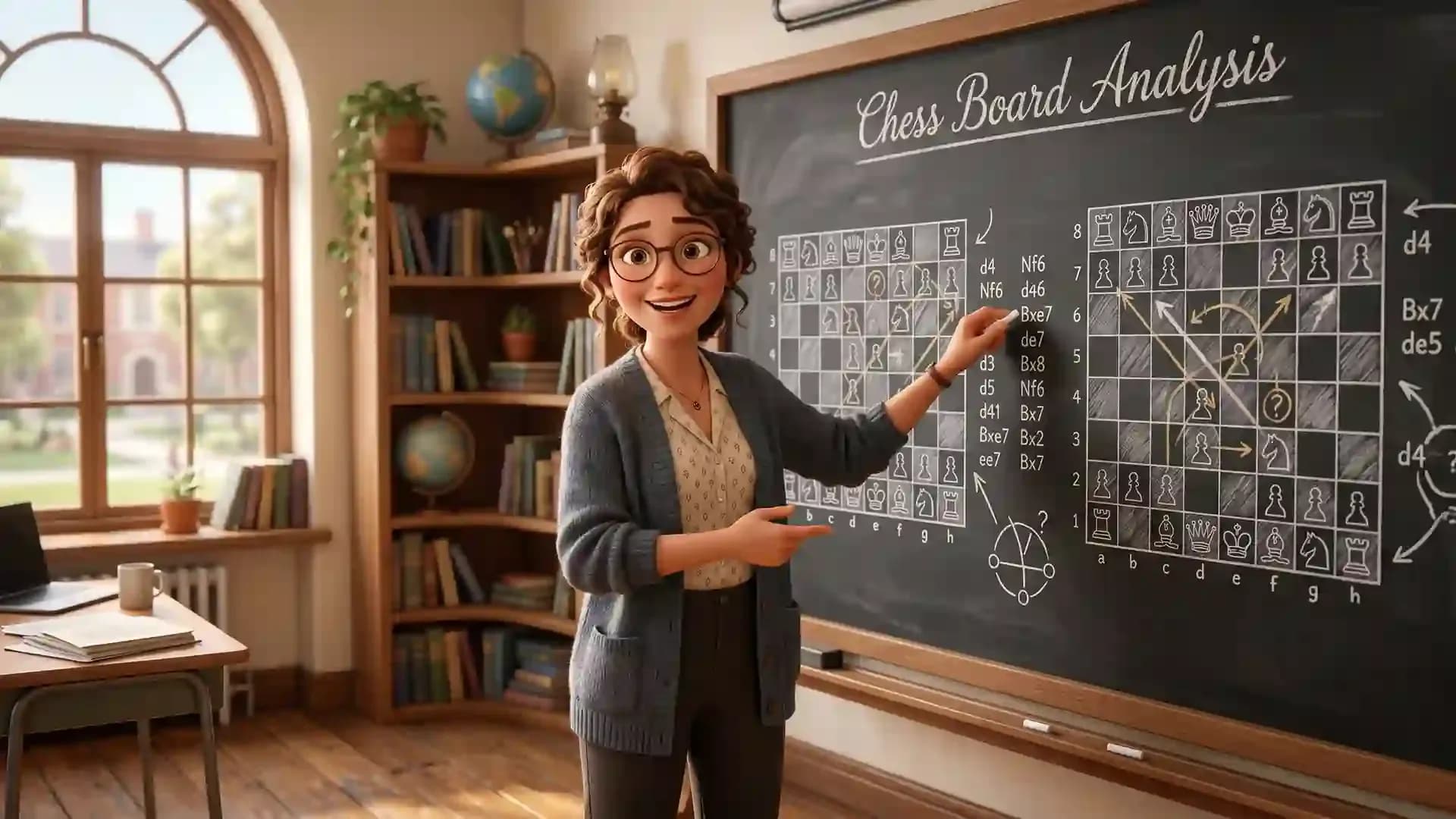
Chess Board Analysis: How to Analyze Your Chess Games and Actually Improve
Master chess board analysis with easy strategies and practical tips. Improve decision-making, spot tactics faster, and start winning more games today!
How to Win at Chess: Proven Strategies for Faster Improvement
Learn how to win at chess with clear strategies, smart planning, and mistake-free play. Improve faster, outplay opponents, and start winning games today.
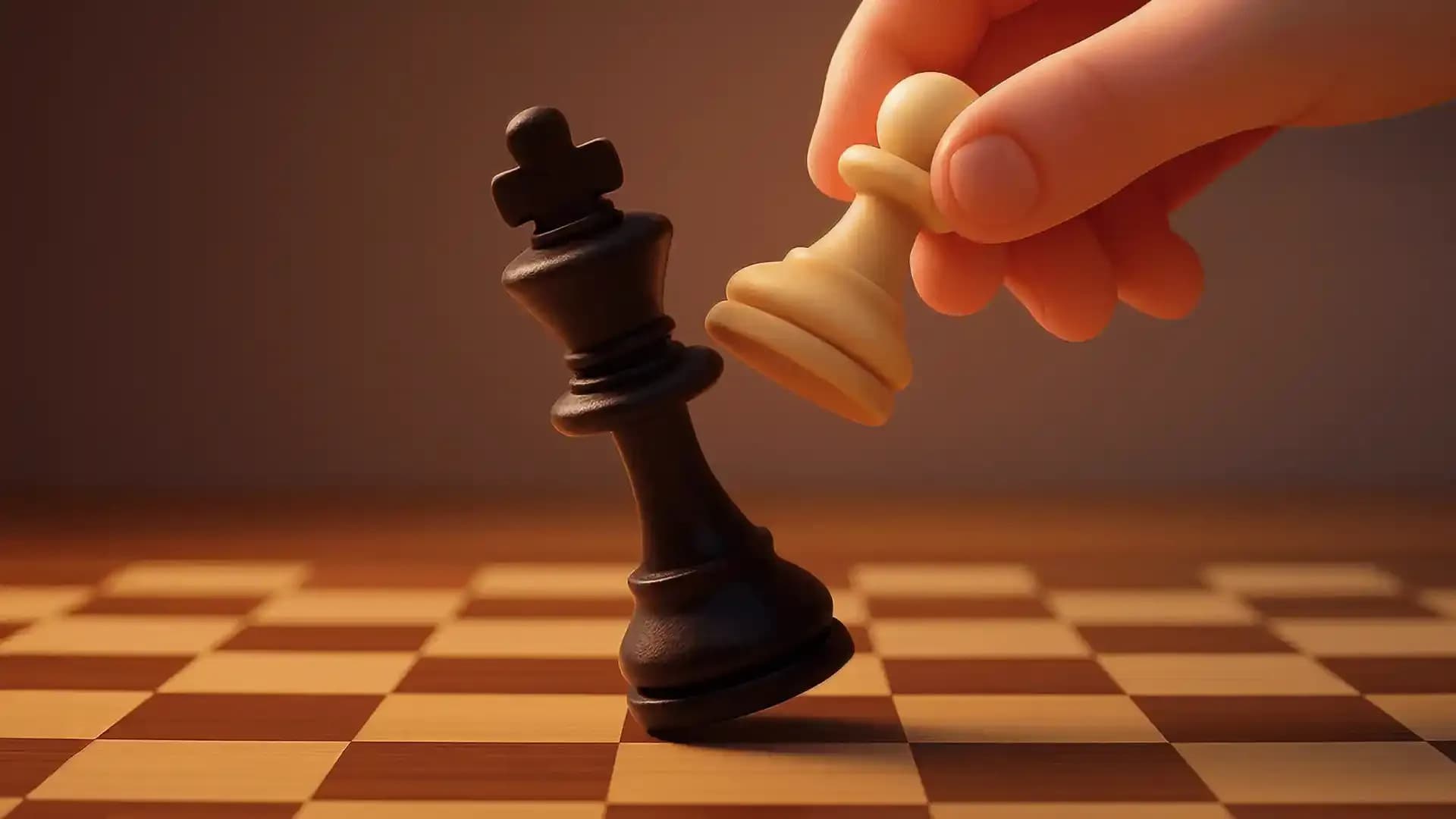
Can a Pawn Take a King in Chess? (Full Explanation)
Can a pawn take a king in chess? Discover the real rule behind this common question and learn what happens in check and checkmate. Read the full guide now!

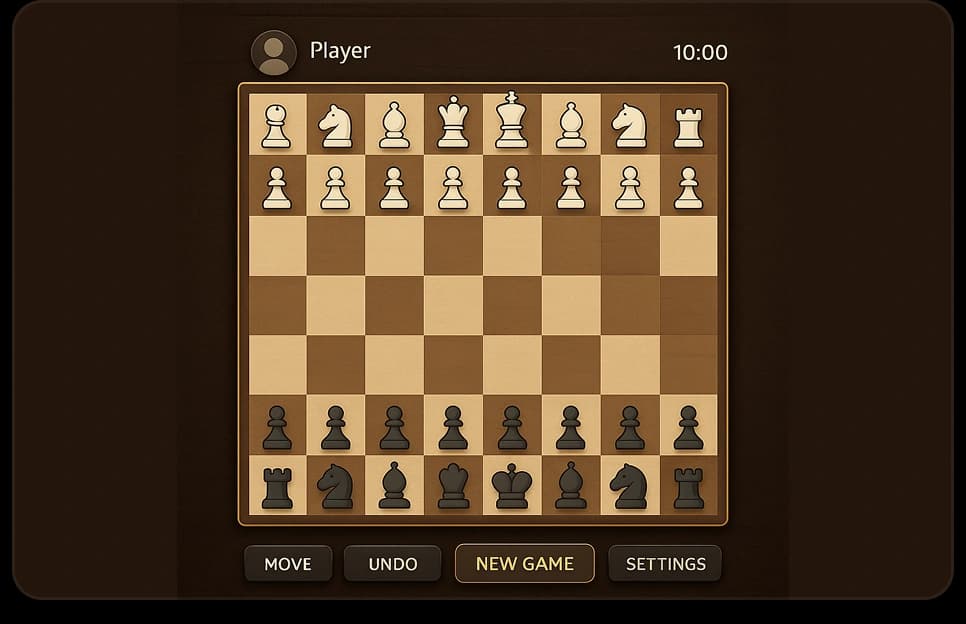
Winning at chess is not about talent or memorizing long lines. It comes from understanding simple ideas, spotting patterns, and building habits that help you make better choices. With the right approach, you can improve fast and start winning more games with confidence.
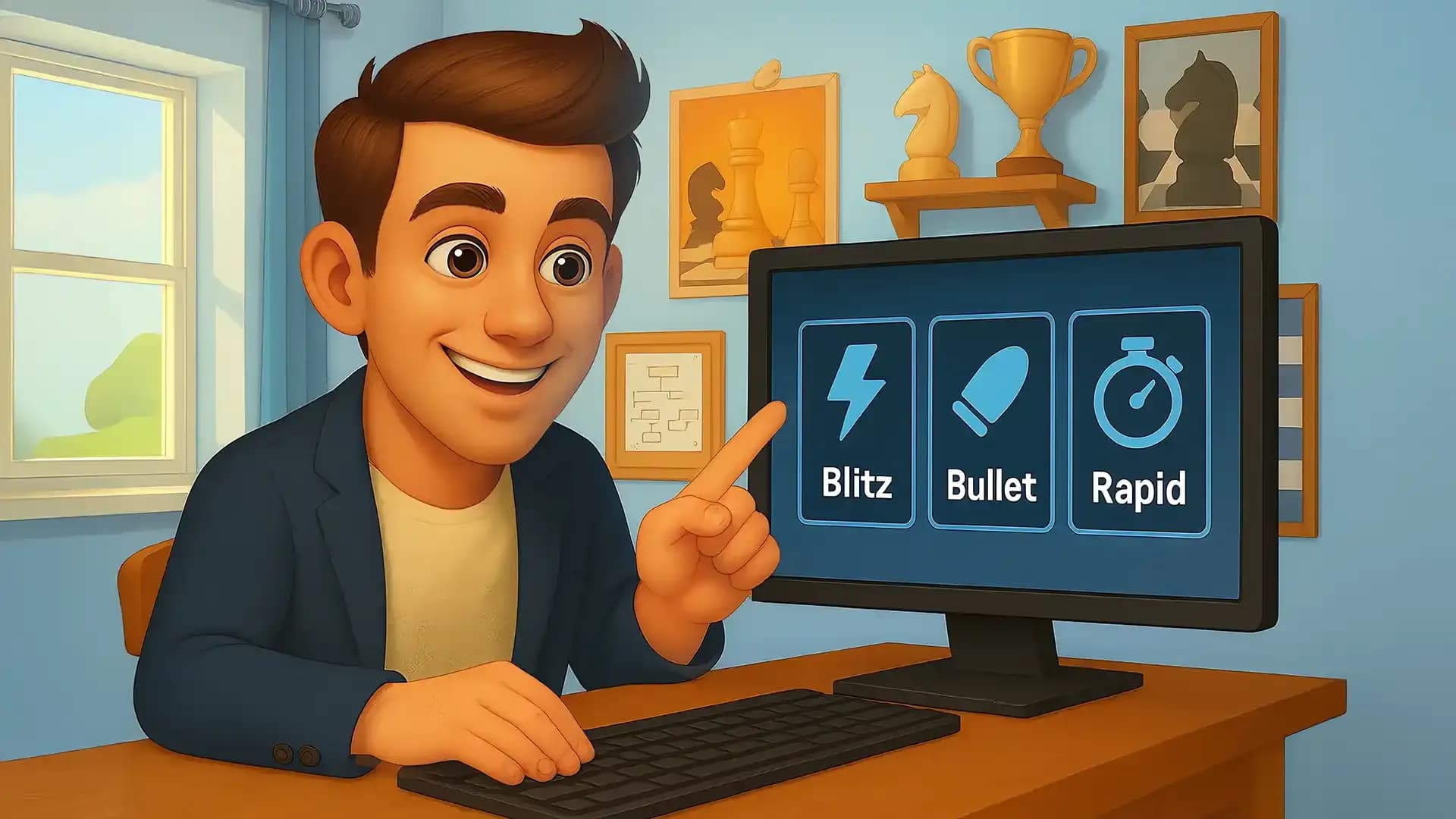
Playing chess online in the modern era is something today’s chess player can enjoy because they can learn from it, and also play as many games as you want to play chess against the AI to improve.
Table of contents
- What Does It Really Mean to Win at Chess
- Master the Fundamentals: Core Principles for Winning Chess
- Tactical Skills: How to Beat Anyone in Chess Using Patterns
- Strategic Thinking: Long-Term Ways to Win Chess
- Opening Strategy: The Best Way to Win From Move One
- Middlegame Strategy: Turning Positions Into Wins
- Endgame Basics to Win More Games
- How to Win More Chess Games Online
- Common Mistakes Beginners Make
- Practical Training Methods for Faster Improvement
- Final Thoughts
What Does It Really Mean to Win at Chess

For beginners, winning is not only about giving checkmate. It means playing slightly better moves than your opponent, avoiding big mistakes, and turning small advantages into wins. This is how you get better at chess by taking these small steps.
Strategy vs tactics
Tactics are short sequences that win material or lead to checkmate, such as forks, pins, skewers, and discovered attacks are the most common chess tactics for beginners to learn first.
Strategy is your long plan, like where your pieces should go, which pawns you push, and which side you attack. If you follow a chess strategy for 30 days, you will surely improve.
Tactics decide games, but good strategy gives you positions where your tactics work better than your opponent's.
Why consistency beats flashy wins
A great combination sometimes means nothing if you blunder often. Players who improve fast follow core principles every game, avoid simple mistakes, and learn from their losses. The real path to winning more games is simple moves, fewer blunders, and steady growth.
The mindset for fast improvement
Every loss teaches you something. Ask what you missed. Stay confident but verify every move. Focus on learning, not proving anything.
Master the Fundamentals: Core Principles for Winning Chess
These basics help in every opening and form the foundation of good play.

Control the center
The central squares give your pieces more power. Start with central pawns, develop knights toward the center, and aim your bishops on active diagonals.
Develop your pieces early
Bring out knights and bishops before moving the queen. Do not waste moves on random pawn pushes. Try to finish development and castle in the first few moves.
Protect your king
Castle, when your king starts feeling unsafe. Kingside castling is usually easier. Do not delay castling just to chase a quick attack.
Do not move the same piece again and again
In the opening, every move matters. Avoid repeating moves unless they gain something real. Time is a resource, and each wasted move costs you a chess tempo quick development leads to stronger positions.
Tactical Skills: How to Beat Anyone in Chess Using Patterns
Most beginners lose games because of tactics. Learning patterns helps you spot chances and avoid traps.
Learn common tactical motifs
Practice different chess traps, such as forks, pins, skewers, and discovered attacks. Solving puzzles makes these patterns natural.
Always think one capture ahead
Follow the simple habit of checks, captures, and threats. Look at forcing moves and what each move changes. This alone prevents many blunders.
Spot hanging pieces
A hanging piece is not defended. After every move, ask what the opponent now attacks and what is left loose. At lower levels, just avoiding hanging pieces wins many games.
Strategic Thinking: Long-Term Ways to Win Chess

Once blunders are reduced, strategy becomes the key to consistent results. Learn chess strategies for beginners to dominate lower-rated players.
Create plans instead of reacting
Base your plans on pawn structure, king safety, and piece activity. If your opponent has a weak pawn, build pressure on it. If your king is safer, you can try to attack.
Improve piece activity
Active pieces control more squares and give more options. Put rooks on open files, centralize knights, and place bishops on strong diagonals. Many times, the best move is simply improving your worst piece.
Understand pawn structure basics
Know which pawns are weak, when to push, and when a pawn break can open lines. Good pawn structure leads to clear plans and winning chances.
Opening Strategy: The Best Way to Win From Move One
You do not need many openings. You only need ones you understand. Fight for the center, develop quickly, and castle early. Avoid chasing quick tricks.
Beginner-friendly openings
- Italian Game teaches open play and development.
- Queen’s Gambit helps you learn central tension and structure.
- The London System is easy to learn and works against many setups.
- Caro Kann is a solid choice for Black against e4.
- Stick to a small opening set so you start recognizing typical middlegame ideas.
Middlegame Strategy: Turning Positions Into Wins
Identify weaknesses, coordinate your pieces, and choose whether to attack or improve your setup. If your pieces are better placed, keep building pressure until the right moment appears.
Convert small advantages
If you are up a pawn, trade pieces and go toward an endgame. If you are up to material, avoid complications. If you have a better position, restrict your opponent and slowly increase the pressure. Safe, steady play wins more games than risky attacks.
Endgame Basics to Win More Games
An endgame checkmate plan gives clear ideas and often decides close battles.
Essential endgames
- King and pawn vs king. Learn opposition and promotion techniques.
- Simple rook endings. Activate your king and rook, and place rooks behind passed pawns.
- Opposition and basic king positioning.
Even basic endgame skills help you win positions that others fail to convert.
How to Win More Chess Games Online
You cannot win every game, but you can win more with smart habits. Use openings you know well. Avoid blind premoves. Manage your time. Expect common blunders in your rating. Solid play, mixed with good time control, raises ratings quickly.
Common Mistakes Beginners Make
Avoid chess mistakes beginners make:
- Too many pawn moves instead of developing pieces.
- Ignoring the king's safety.
- Trading pieces without a clear reason.
- Playing hope moves without checking opponent threats.
Before every move, ask what your opponent wants and how your move changes the position.
Practical Training Methods for Faster Improvement
Do daily tactics for pattern recognition. Play slower games to think clearly. Analyze your losses and find one key error each time. Study a few master games in your opening choices. Consistent practice is the real secret.
Final Thoughts
Winning at chess is not about long lines or miracle attacks. It comes from solid openings, simple tactics, clear plans, basic endgames, and a mindset built on learning. Apply these ideas, and you will soon see fewer mistakes, better understanding, and more wins on the board.
FAQs
- Learn the basics: control the center, develop your pieces quickly, and castle early. Avoid hanging pieces by always checking what your opponent is attacking before you move.
- Play solid, safe moves and avoid big mistakes, especially early in the game. Make the position complicated only when their king or pieces are exposed, so they have more chances to go wrong.
- Nobody wins every game, but you can win more by following the same simple principles every time and cutting out blunders. Focus on sound development, king safety, and basic tactics rather than wild attacks.
- Keep your king safe, improve your worst-placed piece, and slowly attack weak pawns or loose pieces. When you are ahead in material, trade pieces and move toward an endgame where your advantage is easier to exploit.
Fianchetto in Chess: What It Means, How to Use It, and Why It Works
Discover what Fianchetto Chess means, how to set it up for both colors, and why top openings like the King's Indian and Catalan rely on this powerful bishop strategy.
Chess Tempo Explained: What It Is, Why It Matters, and How to Use It
Learn chess tempo with simple explanations, real-game examples, and proven strategies to gain advantage, avoid mistakes, and win more games—start now.
Chess Board Analysis: How to Analyze Your Chess Games and Actually Improve
Master chess board analysis with easy strategies and practical tips. Improve decision-making, spot tactics faster, and start winning more games today!
How to Win at Chess: Proven Strategies for Faster Improvement
Learn how to win at chess with clear strategies, smart planning, and mistake-free play. Improve faster, outplay opponents, and start winning games today.
Can a Pawn Take a King in Chess? (Full Explanation)
Can a pawn take a king in chess? Discover the real rule behind this common question and learn what happens in check and checkmate. Read the full guide now!