Pawn Structure: Key Chess Strategies Every Player Must Know

Fianchetto in Chess: What It Means, How to Use It, and Why It Works
Discover what Fianchetto Chess means, how to set it up for both colors, and why top openings like the King's Indian and Catalan rely on this powerful bishop strategy.
Chess Tempo Explained: What It Is, Why It Matters, and How to Use It
Learn chess tempo with simple explanations, real-game examples, and proven strategies to gain advantage, avoid mistakes, and win more games—start now.
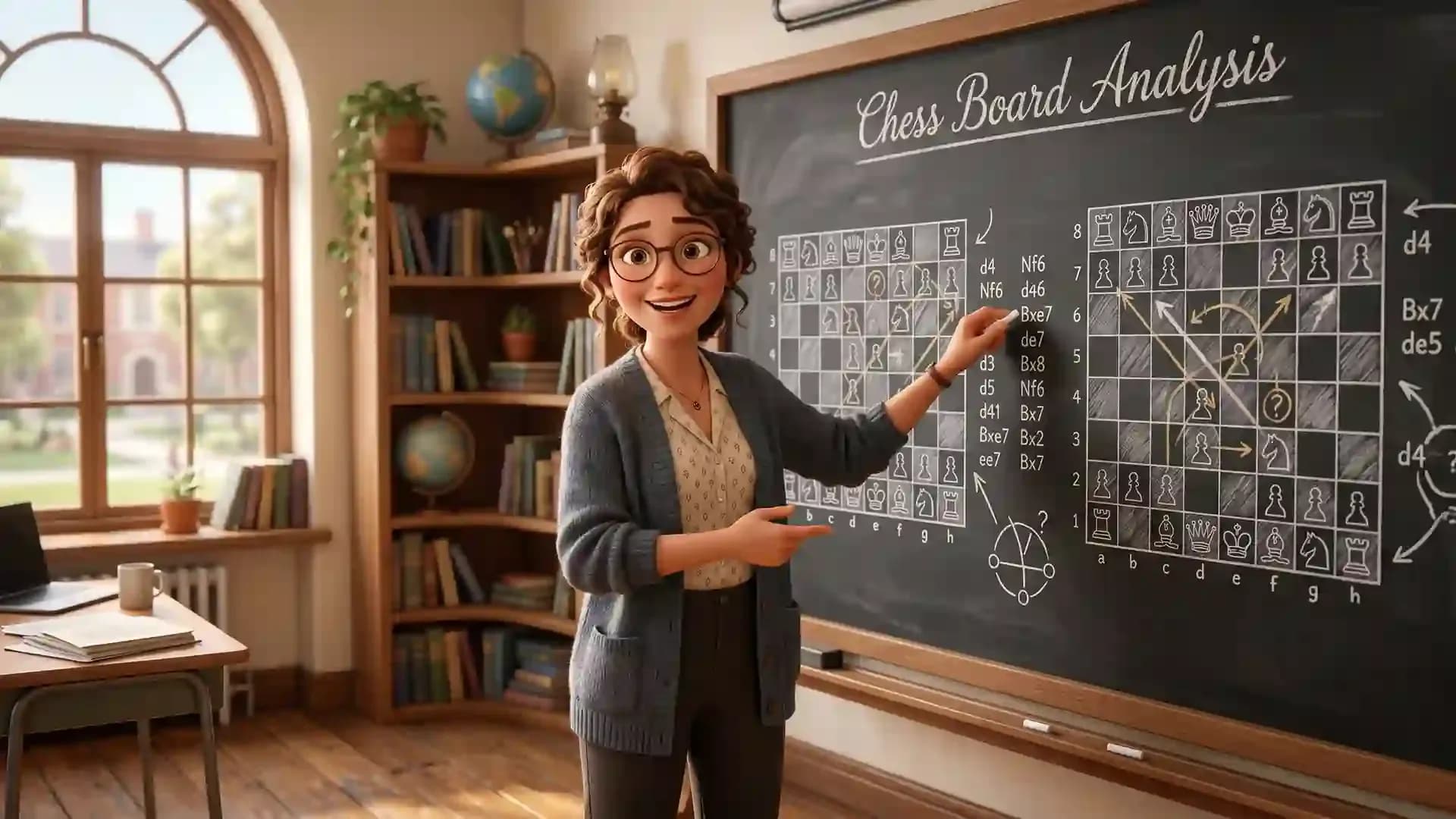
Chess Board Analysis: How to Analyze Your Chess Games and Actually Improve
Master chess board analysis with easy strategies and practical tips. Improve decision-making, spot tactics faster, and start winning more games today!
How to Win at Chess: Proven Strategies for Faster Improvement
Learn how to win at chess with clear strategies, smart planning, and mistake-free play. Improve faster, outplay opponents, and start winning games today.
Can a Pawn Take a King in Chess? (Full Explanation)
Can a pawn take a king in chess? Discover the real rule behind this common question and learn what happens in check and checkmate. Read the full guide now!
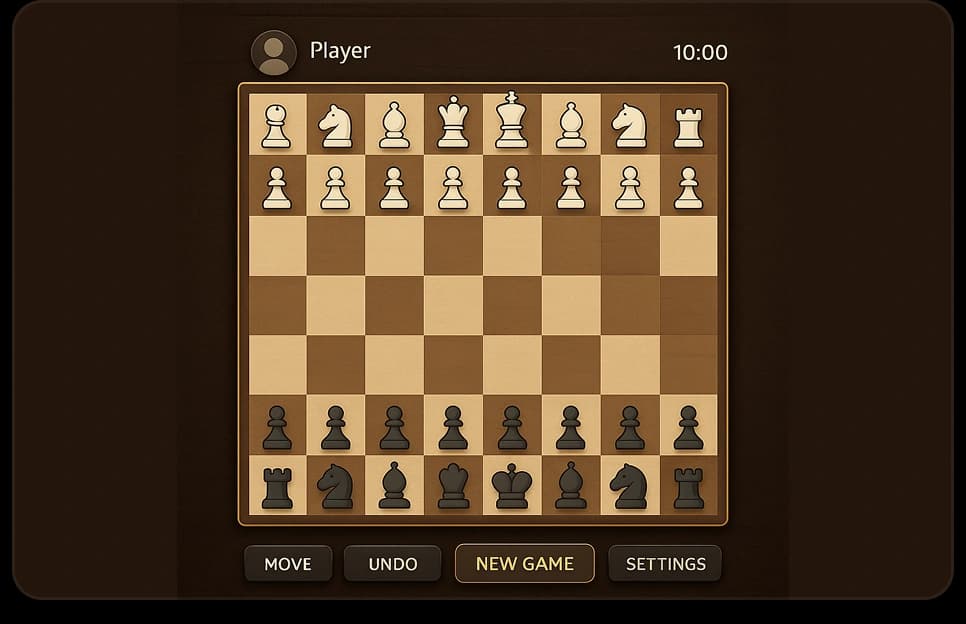
How you set up your Pawn Structure is a very key element in a chess game because through your pawn placement, you can give yourself a great start, and it is the first move for any player.
Even though pawns can only move forward and are allowed to move just one step, it is crucial because in Chess every step is crucial to decide the game, and to be better at it, you need to keep playing chess online or offline. One wrong move and you will be at a disadvantage.
Table of contents
- Why Pawn Structures Matter More Than You Think:
- How Pawn Structures Influence Strategy, Not Just Tactics:
- Fundamental Pawn Concepts & Terminology
- Common Pawn Structures & Their Strategic Themes
- Pawn Structure Analysis: How to Read a Position
- Best Pawn Structures: What Makes a “Good” Structure?
- Mistakes & Pitfalls in Pawn Structures
- Conclusion
Why Pawn Structures Matter More Than You Think:
One open hole in your pawn structure can give a huge advantage to your opponent, which is why pawn structure matters more than you think. Many beginners don’t know the importance of the Pawn, and they just move their pawn without giving much thought during the initial phase.
How Pawn Structures Influence Strategy, Not Just Tactics:
Strategy in chess is the first thing a good chess player should have, as it gives them a chance to understand their opponent's moves.
The way pawns are arranged influences where battles occur, which files are opened, and which side gains the long-term initiative. By learning pawn structure analysis, you can recognize patterns and develop more effective plans. You can also use other chess opening strategies for beginners to help your pawn structure.
Fundamental Pawn Concepts & Terminology

Understanding pawn structure in chess starts with basic concepts that appear in almost every game.
Pawn Chains & Connected Pawns
A pawn chain is a diagonal line of pawns protecting each other. Connected pawns side by side are generally healthy, giving strength to your position. If the base of a chain falls, the entire structure can collapse.
Isolated Pawns & Their Weaknesses
An isolated pawn has no pawns on neighboring files. It often gives open lines for rooks and attacking chances, but in the endgame, it usually becomes a liability.
Doubled Pawns & Their Impacts
When two pawns sit on the same file, they are doubled. This looks weak, but sometimes doubled pawns control key squares and open files for rooks.
Backward Pawns & Holes
A backward pawn lags behind and cannot advance safely. The square in front of it often becomes a permanent hole where enemy knights or bishops can settle. However, if you know that Pawns can’t move backwards, that's why we create a backward pawn structure.
Pawn Islands
A pawn island is a separated group of pawns. Fewer pawn islands make your position easier to defend, while many islands create scattered weaknesses.
Passed Pawns & Pawn Majorities
A passed pawn has no enemy pawns in its path to promotion. Pawn majorities (like three vs two on one side) often create passed pawns, which can be decisive in endgames.
Common Pawn Structures & Their Strategic Themes

Different openings lead to unique pawn structures, and knowing them helps you find the right plans.
The Isolated Queen’s Pawn (Isolani) Structure
The isolani provides activity and open lines for rooks, but in simplified endgames, it becomes a weakness. However, there is also a great Queen Pawn Opening, which is one of the best chess openings.
Hanging Pawns (c- & d-pawns)
These pawns control space and give activity when advanced, but they can become weak if fixed on their squares. It is also one of the great chess openings for beginner moves.
Carlsbad / Minority Attack Structures
Famous in the Queen’s Gambit, this structure lets White push pawns on the queenside to attack Black’s majority.
Maroczy Bind & Hedgehog Structures
The Maróczy (pawns on c4 and e4) restricts Black’s pawn breaks. The Hedgehog is cramped but flexible, waiting to counterattack.
Sicilian / Scheveningen Structures
Black sets pawns on d6 and e6, creating a solid but dynamic center. The plan usually involves d5 or b5 pawn breaks.
King’s Indian / Boleslavsky / “d5 chains”
White gains space with pawn chains, while Black prepares pawn storms with f5 or counterplay with c5. One powerful way to handle the bishop in these setups is through fianchetto in chess, tucking it safely on the long diagonal to support the pawn chain from behind.
French Defense / Advanced Structures
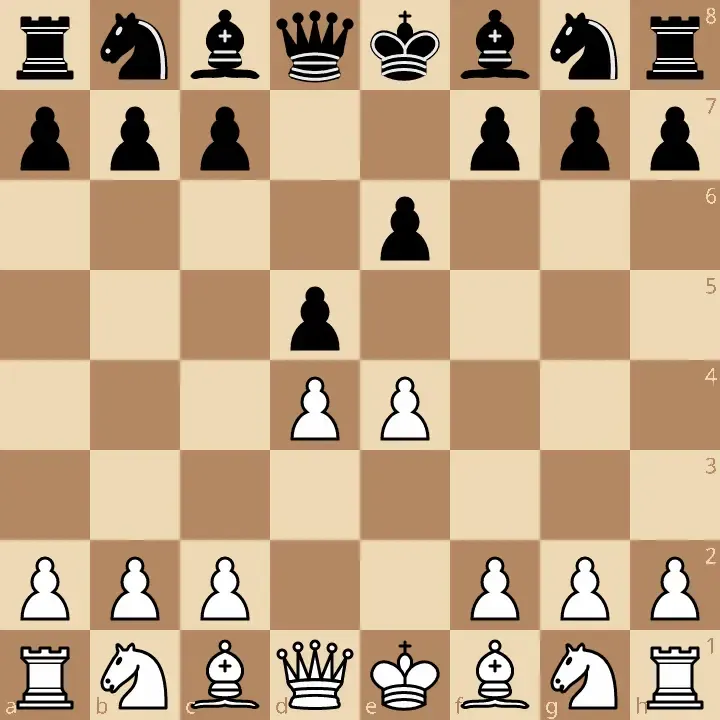
Here, pawns lock the center, leading to slow maneuvering. Both players aim to break open the position on the wings.
Other Miscellaneous Structures (Stonewall, Panov, etc.)
The Stonewall is solid but inflexible, while the Panov-Botvinnik creates open lines and active piece play. Playing chess online allows you to use various openings, but in real life, you can only choose one.
Pawn Structure Analysis: How to Read a Position

Learning to evaluate chess pawn structures will change how you see the board. Instead of asking “what’s the next move?” you’ll know “what’s the right plan?” Play chess online on chess. game to understand all the pawn structures.
Assessing Weaknesses vs Strengths:
Look for pawns in chess that are alone, in pairs, or facing the wrong way. Then, decide if these pawns help your position or if your opponent could easily attack them.
Identifying Key Squares & Outposts:
When you’re playing, try to find spots on the board where you can safely place your pieces. A good strategy is to look for places near the opponent's weaker pawns, where your pieces can be strong and hard to attack.
Determining Pawn Breaks & Timing:
A pawn break, like moving a pawn to d5 or f5, can change the entire game, a key idea in dynamic systems such as the Baltic Defense Chess Opening, where timing directly impacts strategy.
Transformations & Pawn Transpositions:
Exchanges in chess can change the setup of pawns. They can transform one pawn structure into another, altering the game's dynamics. Most people choose Queen when they transform a pawn.
Planning Based on Pawn Skeleton:
Your plan should align with the structure, targeting your strengths and defending your weaknesses.
Best Pawn Structures: What Makes a “Good” Structure?

Many players wonder what the best pawn structure is. The truth is, no single formation is always best, but good structures share key traits:
Criteria for a Strong Pawn Structure
A strong pawn structure is one that helps your pieces work together. Good pawns protect each other, they control important central squares, and they don’t leave too many weaknesses behind.
If your pawns are placed well, it becomes much harder for your opponent to attack you, and much easier for you to create plans. Play against the computer using a strong pawn structure, as this will give you a solid base.
Balancing Flexibility vs Solidity
Sometimes a pawn setup can feel very safe, but if it is too rigid, you may find it difficult to create counterplay. The best structures usually combine safety with flexibility. This means your pawns are strong enough to defend key points, but they can also move at the right time to open files or challenge the opponent’s center.
When a “Weak” Pawn Structure Might Be Acceptable
Not every so-called weakness is bad. An isolated pawn, for example, might look like a target, but it often gives your pieces open lines and attacking chances. Doubled pawns are similar. While they appear clumsy, they can sometimes control vital squares or open sound files for your rooks. What matters is whether the benefits you gain from the structure outweigh the long-term drawbacks.
Sometimes, a “bad” structure is acceptable if it gives active play. For example, doubled pawns may appear unattractive, but they can open files and create attacking opportunities. Balance between solidity and activity is the real secret.
Understanding when structural weaknesses can be turned into strengths is a key part of effective chess game analysis, helping you make smarter decisions based on position rather than appearance.
Mistakes & Pitfalls in Pawn Structures
Even strong players fall into traps when handling pawn structures. The most common errors include:
- Creating isolated or doubled pawns without a clear reason.
- Overextending pawn chains so they cannot be defended.
- Playing too many pawn moves early, delaying development.
- Focusing too much on pawn safety and ignoring piece activity.
The lesson? Good chess pawn structures matter, but active pieces are just as important.
Conclusion
Pawn structure serves as the foundation of chess strategy, with strong structures supporting piece activity and weak ones leading to long-term issues. It's essential that plans align with the pawn skeleton to ensure a solid approach in the game.
Encourage Practice / Study
To master pawn structure analysis, games of grandmasters, practice puzzles that focus on pawn play, and review positions with different skeletons. Read chess books for beginners to improve your skills.
Invitation to Subscribe / Download a Pawn Structure Cheatsheet
Want a quick guide? Download a free pawn structure cheatsheet to keep the most important formations at your fingertips.
FAQs
- There is no single best pawn structure. Strong ones usually give central control, fewer weaknesses, and room for flexible plans. However, one structure that is impossible to have if you're playing against a good chess player, but can be possible against a newbie, is the Pyramid structure, which can make it non-destructive.
- Yes, Exchanges and pawn breaks often transform one pawn structure chess setup into another.
- Sometimes it is. A poor chess pawn structure can make extra material useless if it traps your pieces.
- Start with the eight most common chess pawn structures, such as the Isolani, Carlsbad, Maróczy Bind, and French Advance. Add more as your understanding grows.
Fianchetto in Chess: What It Means, How to Use It, and Why It Works
Discover what Fianchetto Chess means, how to set it up for both colors, and why top openings like the King's Indian and Catalan rely on this powerful bishop strategy.
Chess Tempo Explained: What It Is, Why It Matters, and How to Use It
Learn chess tempo with simple explanations, real-game examples, and proven strategies to gain advantage, avoid mistakes, and win more games—start now.
Chess Board Analysis: How to Analyze Your Chess Games and Actually Improve
Master chess board analysis with easy strategies and practical tips. Improve decision-making, spot tactics faster, and start winning more games today!
How to Win at Chess: Proven Strategies for Faster Improvement
Learn how to win at chess with clear strategies, smart planning, and mistake-free play. Improve faster, outplay opponents, and start winning games today.
Can a Pawn Take a King in Chess? (Full Explanation)
Can a pawn take a king in chess? Discover the real rule behind this common question and learn what happens in check and checkmate. Read the full guide now!