How To Get Better At Chess - Step-by-Step Guide

Types of Chess: Explore All Variants and How They're Played
Discover the different types of chess, including classical, rapid, blitz, and modern variants. Learn the rules, differences, and pick the best one to play today.
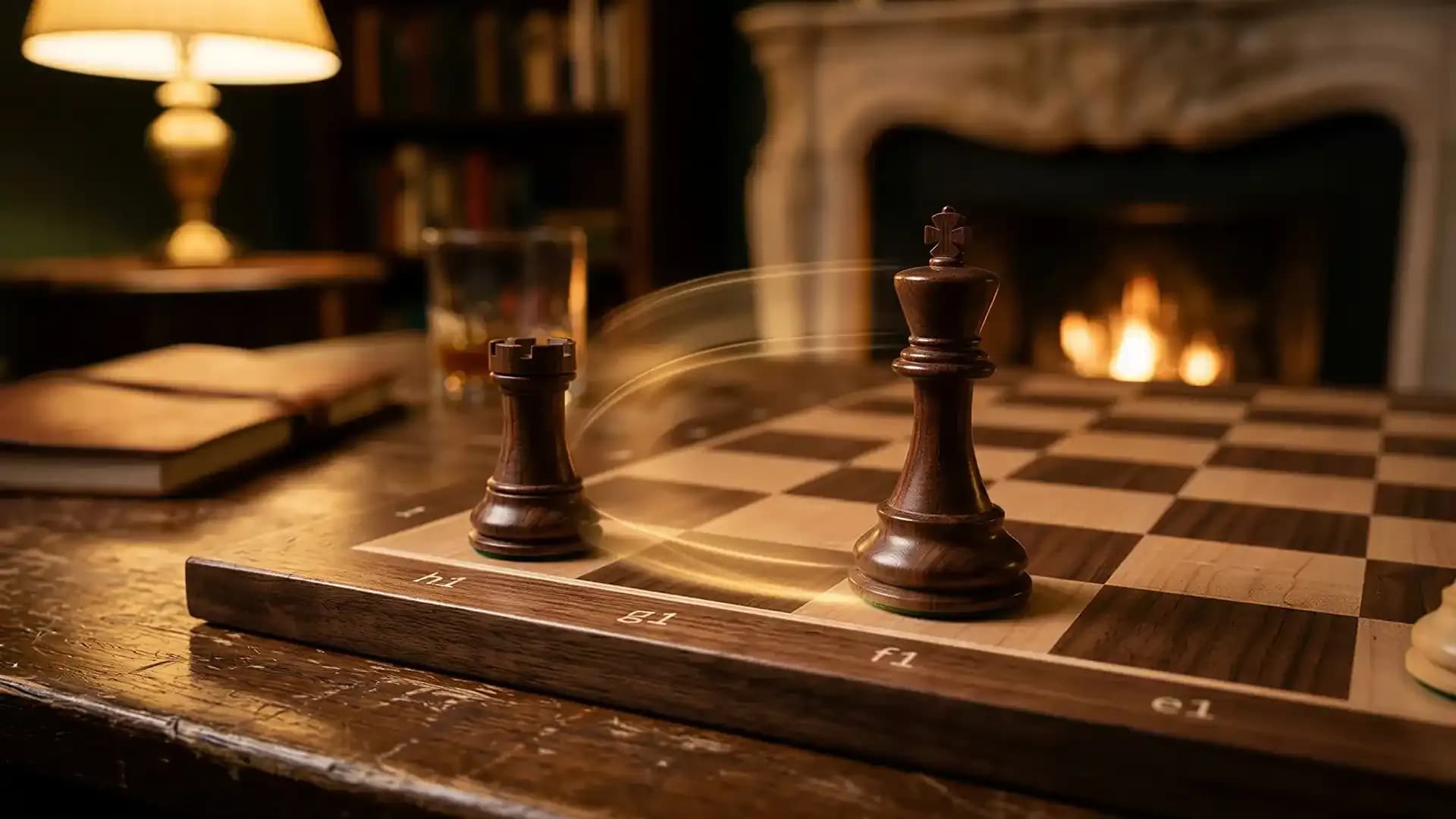
Castling in Chess: Rules, Long Castling & How to Castle
Castling in chess is a special move that allows the king and rook to move at the same time, helping protect the king and activate the rook for better board control.
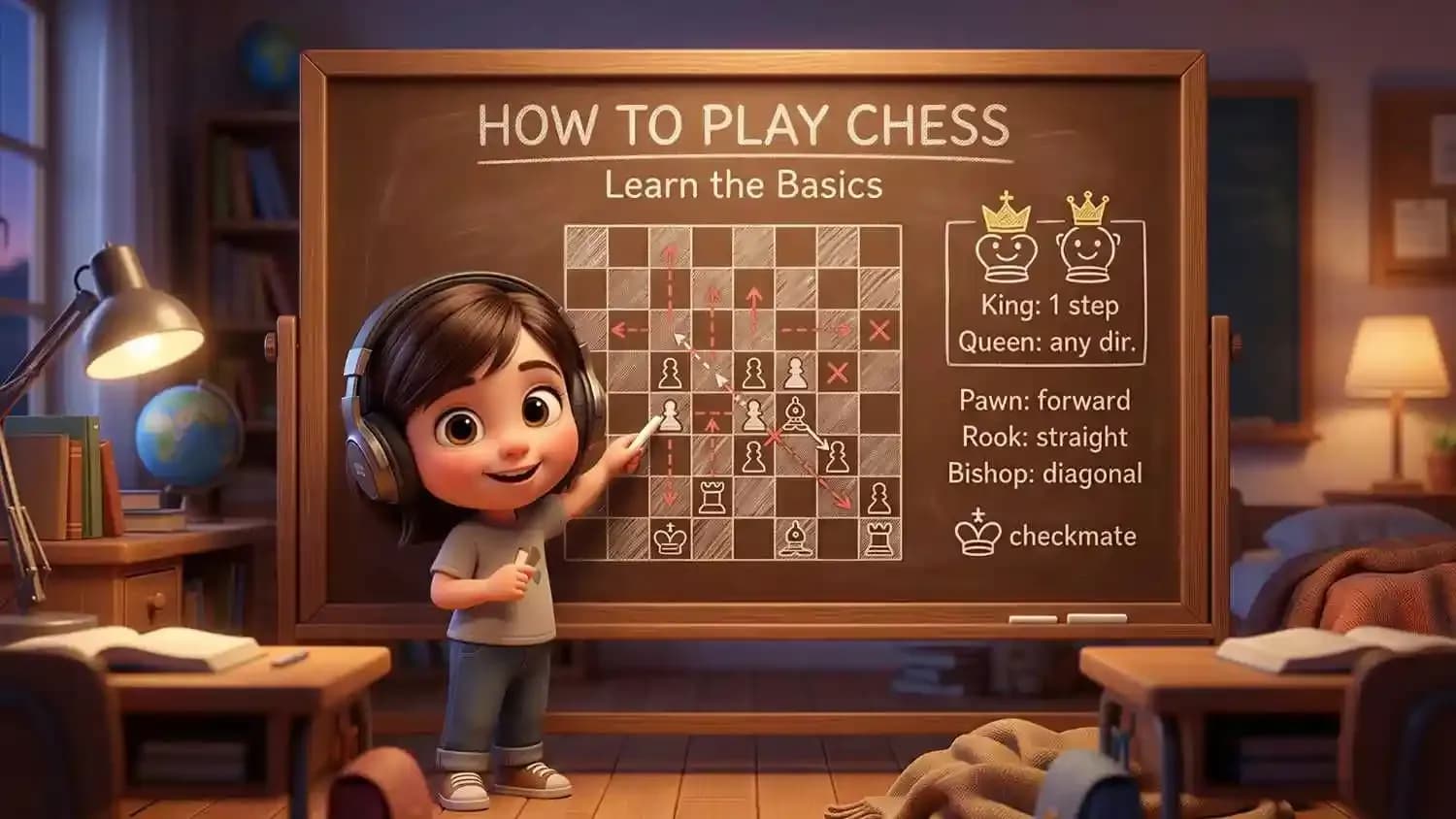
How to Play Chess: Easy Rules & Beginner Tips
How to play chess explained simply with board setup, piece rules, checkmate basics, and beginner strategies. Follow this guide and start playing today.

Youngest Chess World Champion: Top 10 Youngest Champions in History
Only a handful of players have ever claimed the title of youngest chess world champion, and the record keeps getting shattered. From Gukesh Dommaraju's historic 2024 win at just 18 to Kasparov's 40-year reign atop the record books, here's the full ranked list, timeline, and the rising prodigies who could break it next.
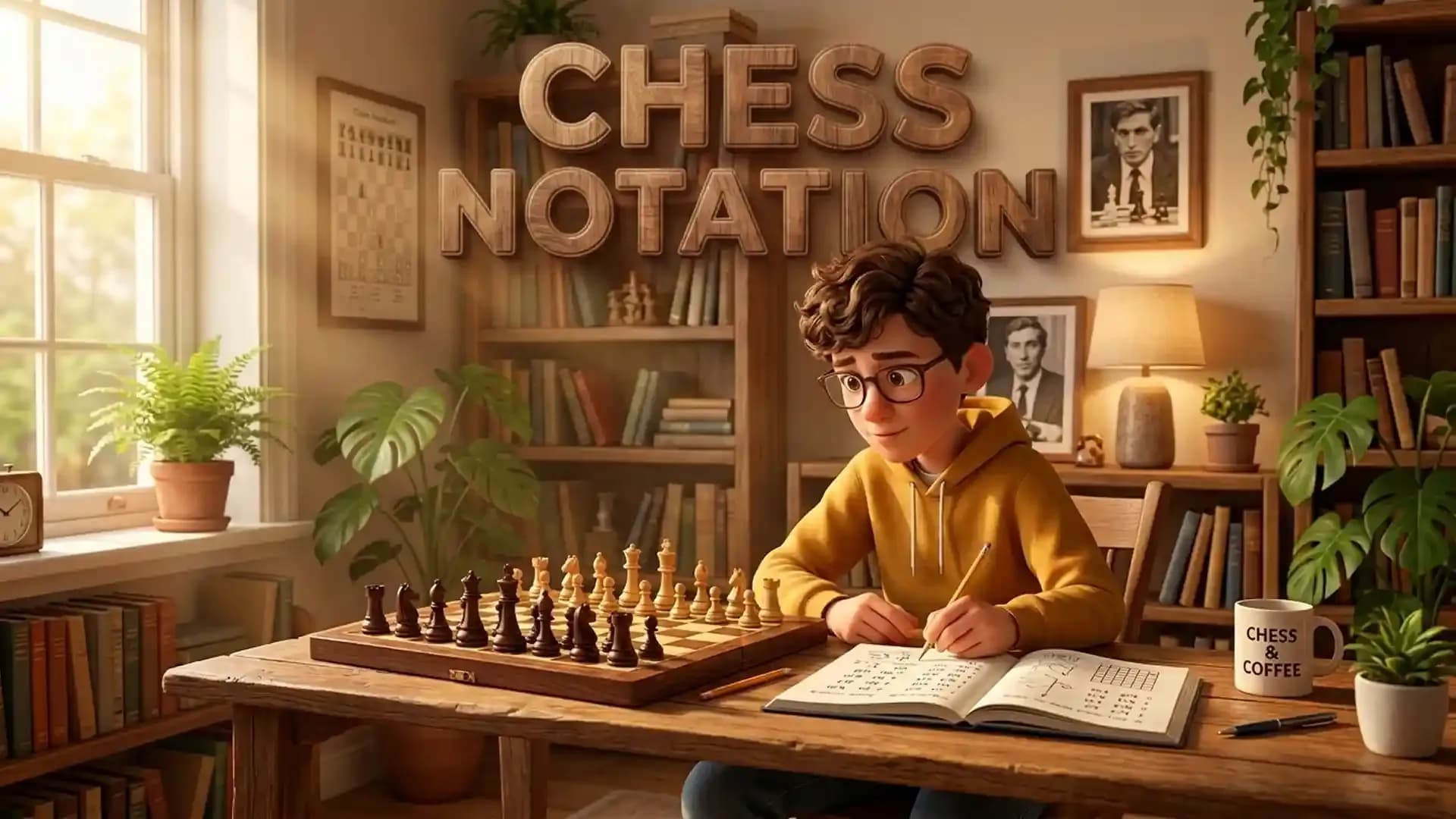
Chess Notation Explained: A Complete Guide to Reading and Writing Algebraic Notation
Master chess notation with our complete guide covering algebraic symbols, board coordinates, special moves and annotations. Start reading games today!
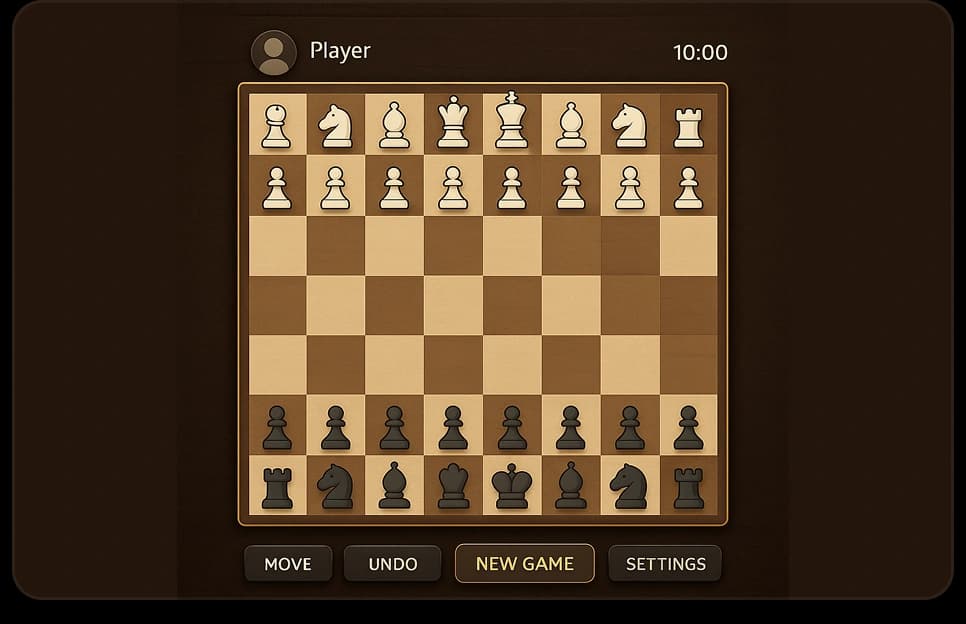
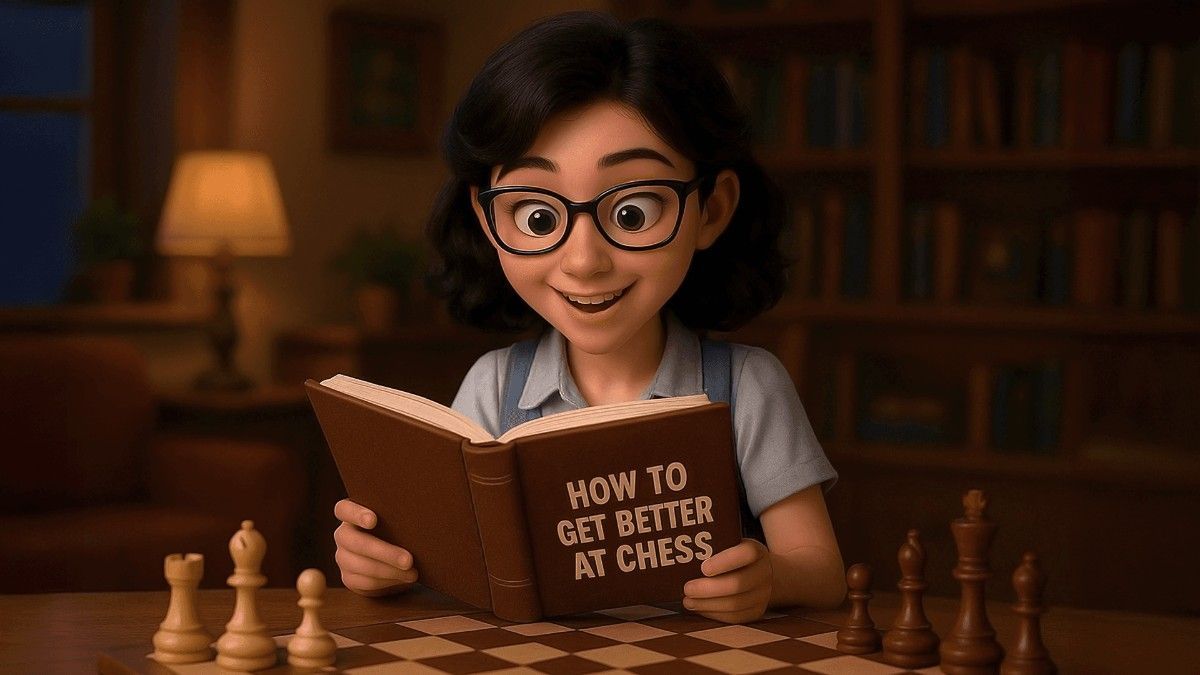
Many players keep asking how to get better at chess, but keep repeating the same mistakes. In the modern world, everyone wants to learn or to get everything fast, just like 10-minute delivery of anything, but to be a great chess player, the first thing you need to have is patience.
How To Get Better At Chess

Playing endless blitz games online might be fun, but it won't automatically make you a stronger player. Study classical games with purpose, not passively, pause, predict moves, and understand why plans work. Then analyze your own games ruthlessly, because improvement comes less from playing more and more from fixing recurring mistakes.
Improvement requires balance:
- Learning the fundamentals.
- Practicing regularly.
- Analyzing mistakes.
So, if you're asking yourself, "How can I improve at chess?", the answer isn't "just play more free online chess." It's about playing intelligently.
9 Steps To Get Better At Chess
Improving at chess is easier when you follow clear steps. These nine steps will help you get better at chess basics, avoid common chess blunder, and build better habits so you can play stronger and more confident chess games.
Follow the basic opening principles( No need to learn openings), Tactics! tactics! tactics! Learning tactics will fast-forward your game to the next level if you are just starting out. Secondly, try to be more aware that the position is changing with every move. Look out for hanging pieces (pieces that you can capture for free) and vice versa.
If you are just a beginner, it's likely that we keep our pieces unprotected. Stay consistent with practice. Avoid bullet and blitz games.
Step 1: Learn the Basics First
Before jumping into openings or strategy, get comfortable with the rules. Many beginners skip this step and stay stuck

- Understand how each piece moves.
- Learn castling, pawn promotion, and en passant.
- Recognize check, checkmate, and stalemate.
Tip: If you’re wondering “how to get better at chess for beginners”, this is your starting point. Once you know the rules inside out, improvement becomes easier. For younger learners especially, chess movies for kids like Searching for Bobby Fischer make the game feel exciting and accessible before a single opening is studied.
Step 2: Openings Made Simple
A lot of players think memorizing 20 moves of theory will make them grandmasters. Truth is, you don’t need that. Stick to principles.
Control the Center
Place pawns on squares like e4 or d4. Controlling the middle gives your pieces more freedom.
Develop Your Pieces
Bring out knights and bishops early. Don’t move the same piece multiple times without reason.
Keep the King Safe
You don’t need dozens of openings. Pick one or two for White and a couple of defenses for Black. This will give you a strong foundation to be in the game.
To learn more about opening in chess, and particularly when you have the white piece, you can check out the 10 Best Chess Openings for White, which will help you get the upper hand in the opening of the game.
Step 3: Train Your Chess Tactics
Let's talk about how you can train your tactics, which slowly improve your chances to win or have the upper hand, and it is a must-do thing if you are playing blitz or fast-paced chess.

Daily Puzzle Practice
Spend at least 10–15 minutes on tactics apps or websites, which will slowly improve your skills and also your brain, which will also be a benefit for your mental health.
If you prefer practicing using mobile tools or while traveling, you can also explore our list of the top chess apps, which are designed to help beginners and intermediate players train smarter.
Key Tactical Patterns to Learn
- Forks: One piece attacks two or more of your opponent's pieces at once.
- Pins: A piece can’t move because moving would expose a more valuable piece behind it.
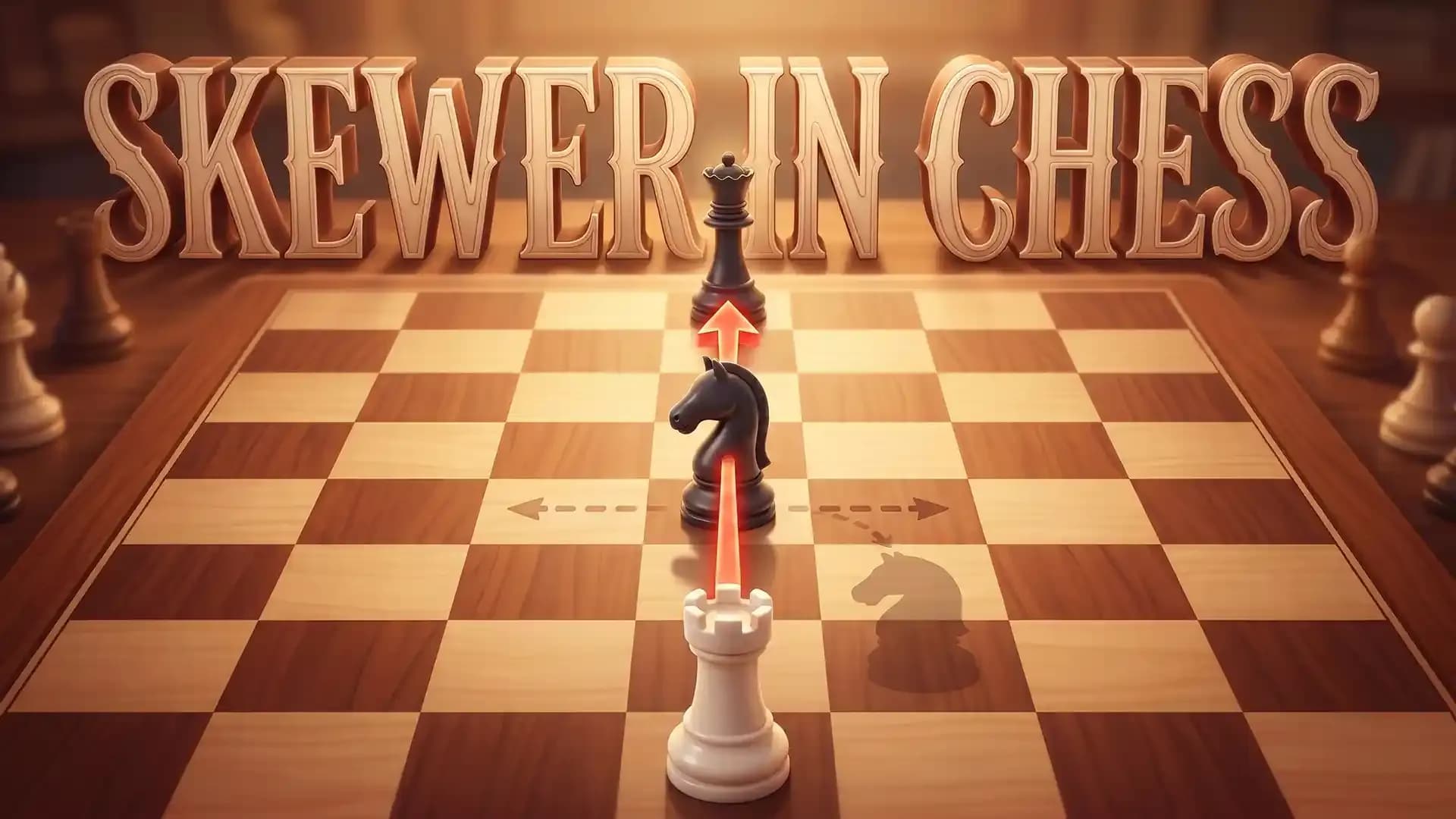
- Skewers: In chess, it is a situation where you threaten a valuable piece (such as a king or queen) so it is forced to move, and then you take the weaker piece that is covering behind it.
These strategies can help you gain an edge in the game. The more you play, the more naturally these patterns will emerge in your games, and soon you might be able to know the endgame checkmate moves.
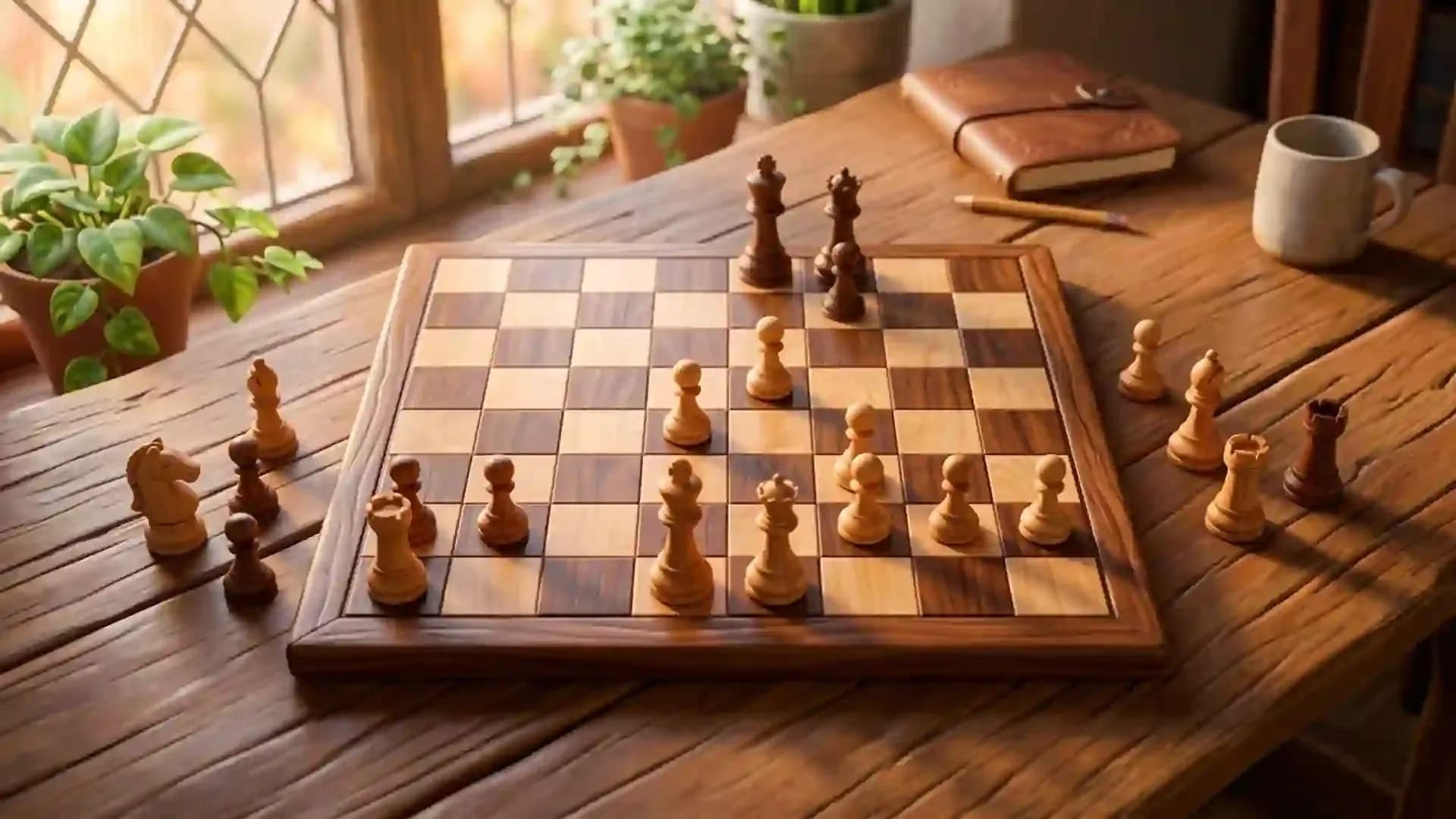
To make this learning process even more intuitive, it helps to practice with equipment that mirrors real competitive play. The Staunton design is a standard used in professional tournaments worldwide. Getting comfortable with these proportions and piece forms can improve visual recognition and board awareness.
To make this learning process even more intuitive, it helps to practice with equipment that mirrors real competitive play. The Staunton design is a standard used in professional tournaments worldwide. Getting comfortable with these proportions and piece forms can improve visual recognition and board awareness.
Step 4: Think Strategy, Not Just Moves
Good chess isn’t only about spotting tactics. Strategy is the long-term plan that guides your moves.
Weak Squares and Outposts
Look for squares where your opponent can’t push you away. A knight on a strong outpost can dominate the board.
Open Files and Piece Activity
Rooks belong on open files, bishops on diagonals. Don’t just move pieces randomly; give them purpose.
Step 5: Don’t Skip Endgames
Many beginners ignore endgames, but that’s where games are won or lost.

Basic Checkmates You Must Know
- King + Queen vs. King: You use your queen and king together to push the lone king to the edge of the board, then deliver checkmate with the queen while your king helps cover escape squares.
- King + Rook vs. King: You use your rook and king to trap the enemy king on a side or corner of the board, then block its escape with your king and finish the checkmate with the rook.
Simple Pawn Endings
Learn opposition and the “rule of the square.” Even basic pawn knowledge can turn a draw into a win. If you’re thinking, “How do I get better at chess fast?”, mastering a few endings gives you a huge edge over most players. However, there is also an amazing guide for the Queen's Pawn opening strategy, which helps you to dominate opponents by using just the pawn and the Queen.
Step 6: Review Your Chess Games
This is where real growth happens, and when you review your games while replaying after finishing the match.
Learn From Mistakes
After every game, check out what mistakes you made, what tactics you could have used, and how you could have changed your move to get the better advantage.
Use Engines the Right Way
Engines like Stockfish are helpful, but don’t rely on them blindly. First, try to spot mistakes yourself, then check with the engine for confirmation.
Step 7 – Play Chess Consistently
Step 7 is to continue playing the game repeatedly. Play longer games to learn your moves better, and also play the Blitz and bullet chess for practice, because most of the games in the tournament are speed chess, so for that, you can also learn how to do the quickest checkmate in chess.
Longer Games for Learning
If you want to learn the chess game better, then you should start playing longer games, not like blitz or rapid chess, because you will get to learn more and think more about each move.
Blitz and Bullet for Practice
Fast games are suitable for sharpening reflexes, but they shouldn’t be your main training, and yes, don’t be afraid of stronger opponents; they’ll expose your weaknesses faster. You should know how to checkmate in 3 moves or with a 5-move checkmate strategy to be at the top of your game.
Step 8 – Read Beginners' Chess Books
Don’t waste time on random YouTube videos. Study from trusted sources.

Don’t waste time on random YouTube videos. Study from trusted sources. Start learning openings only once you have crossed 1400-1500 elo. Look out for patterns. If you are in the rating range of 1000 and below, trust me, literally every game you come across will have multiple tactics coming up. So look out for patterns, play longer games, and after the game is over, quickly run through where you went wrong.
Recommended Books and Channels
- Recommended Book 1: Logical Chess: Move by Irving Chernev
- Recommended Book 2: Silman’s Complete Endgame Course
- YouTube: GothamChess, Hanging Pawns, John Bartholomew. You can also check out the Top 7 Chess Books For Beginners To Win More Games.
Learn From Classic Games
Reviewing old master games helps you identify strategies that remain effective today, and if you read the recommended books or follow the chess channels, your skills will surely improve.
Step 9 – Build a Routine
Building a routine is one of the key elements in chess, because, just like a chess game, which requires discipline to play, your daily routine should be fixed as well.
Daily Training Plan
- You should solve puzzles for 15 minutes every day, which improves your critical thinking.
- One serious game, either online or with someone, that will make you feel calmer during the real game. It will also help you to play better in chess time formats where time is essential.
Weekly and Monthly Goals
- Analyze 3–5 games per week.
- Review progress monthly and adjust.
To practice all nine steps in chess, you should use an online chess platform, which you can use for free and continue practicing as many times as you want; it offers different difficulty levels.
The fastest way to improve is to analyze your own games deeply while consistently applying practical chess tips and tricks, especially losses, and identify recurring strategic and tactical mistakes. Combine this with studying classical games and focused tactical training to build both understanding and calculation, rather than just playing more games.
Mistakes to Avoid
Many common beginner chess mistakes will happen when you start playing the game, but here are some of the key factors you should learn.
- Playing only blitz and never analyzing.
- Memorizing openings without understanding.
- Ignoring endgames.
- Forgetting to ask: “What is my opponent’s plan?”
- Avoid these, and your improvement will accelerate.
FAQs
- You can get better at chess by playing chess against the computer and the real players again and again, and you can learn strategies, predict moves, and analyze your own game, which will surely improve.
- Read blogs, books, or watch videos of different chess opening and once you have crossed 1400-1500 elo (chess rating system). Play longer games, and if you make a mistake, analyse it if you play with AI or a computer.
- Review your own games deeply, especially losses. Fix repeating tactical and strategic mistakes. Pair it with classic games and daily tactics training, not just more play.
- Basic openings only, no theory needed. Tactics daily to improve fast. Spot hanging pieces, protect yours; the board changes every move. Practice steadily, skip bullet/blitz.
Types of Chess: Explore All Variants and How They're Played
Discover the different types of chess, including classical, rapid, blitz, and modern variants. Learn the rules, differences, and pick the best one to play today.
Castling in Chess: Rules, Long Castling & How to Castle
Castling in chess is a special move that allows the king and rook to move at the same time, helping protect the king and activate the rook for better board control.
How to Play Chess: Easy Rules & Beginner Tips
How to play chess explained simply with board setup, piece rules, checkmate basics, and beginner strategies. Follow this guide and start playing today.
Youngest Chess World Champion: Top 10 Youngest Champions in History
Only a handful of players have ever claimed the title of youngest chess world champion, and the record keeps getting shattered. From Gukesh Dommaraju's historic 2024 win at just 18 to Kasparov's 40-year reign atop the record books, here's the full ranked list, timeline, and the rising prodigies who could break it next.
Chess Notation Explained: A Complete Guide to Reading and Writing Algebraic Notation
Master chess notation with our complete guide covering algebraic symbols, board coordinates, special moves and annotations. Start reading games today!