3 Move Checkmate: How to Win Chess in 3 Moves

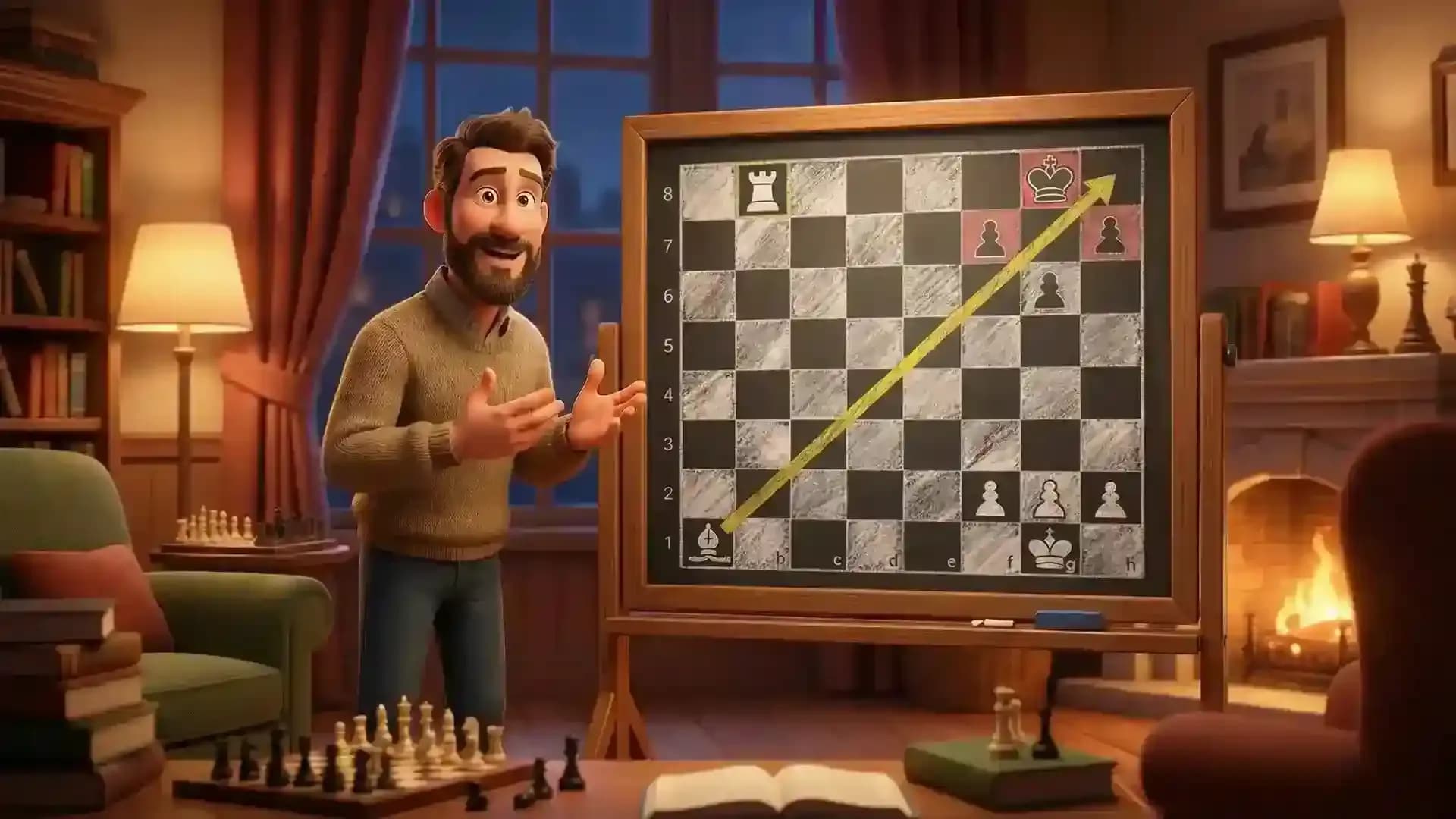
Back Rank Mate: How to Spot and Win Instantly
What is a Back Rank Mate? Learn the key patterns, common traps, and simple strategies to deliver this classic checkmate and win more games today.
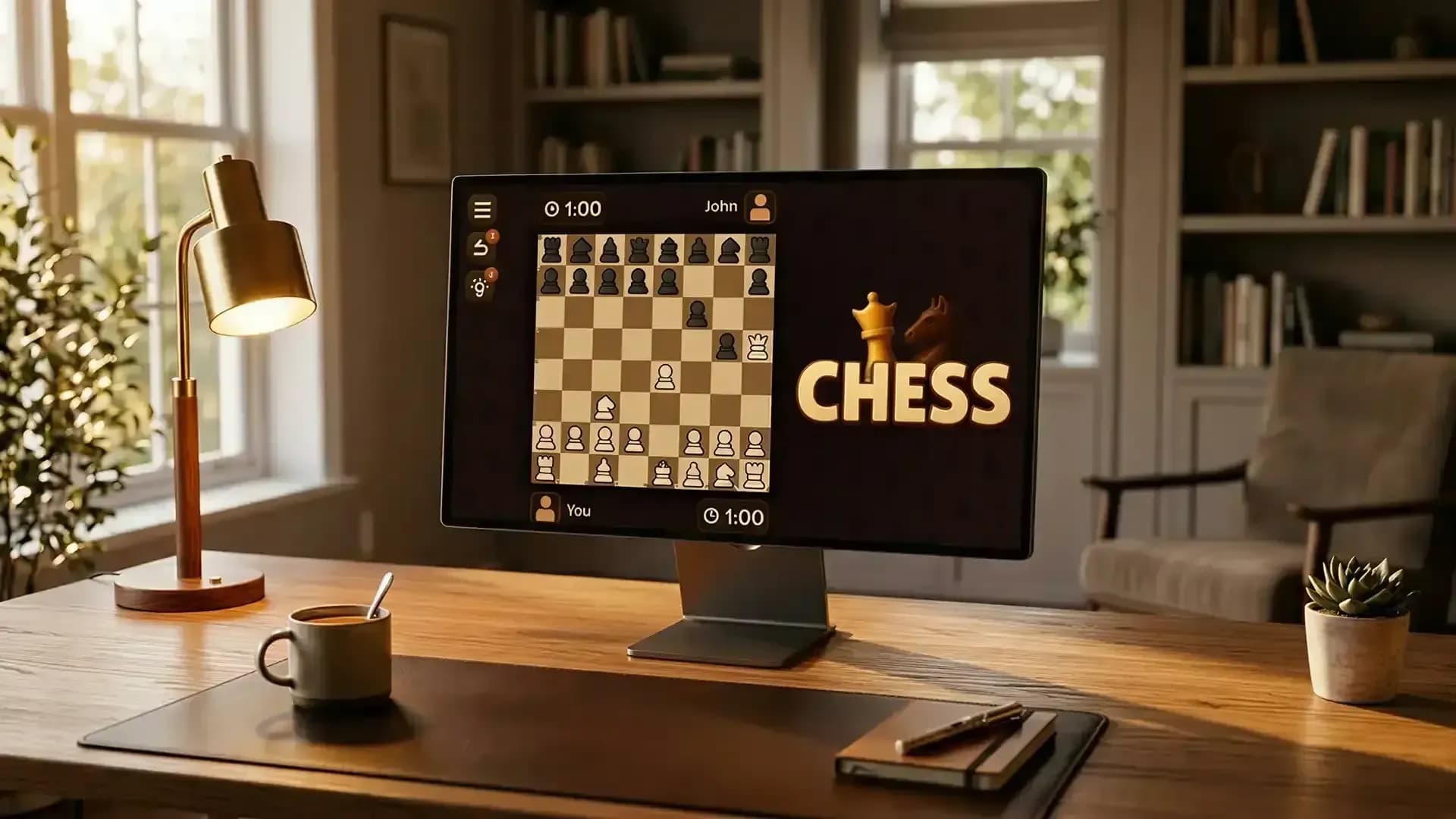
Fool's Mate: Fastest Checkmate in Chess Explained
Fool's Mate is the fastest checkmate in chess. Discover how the 2-move mate works, why it happens, and simple ways to avoid it. Learn the pattern and improve your chess.
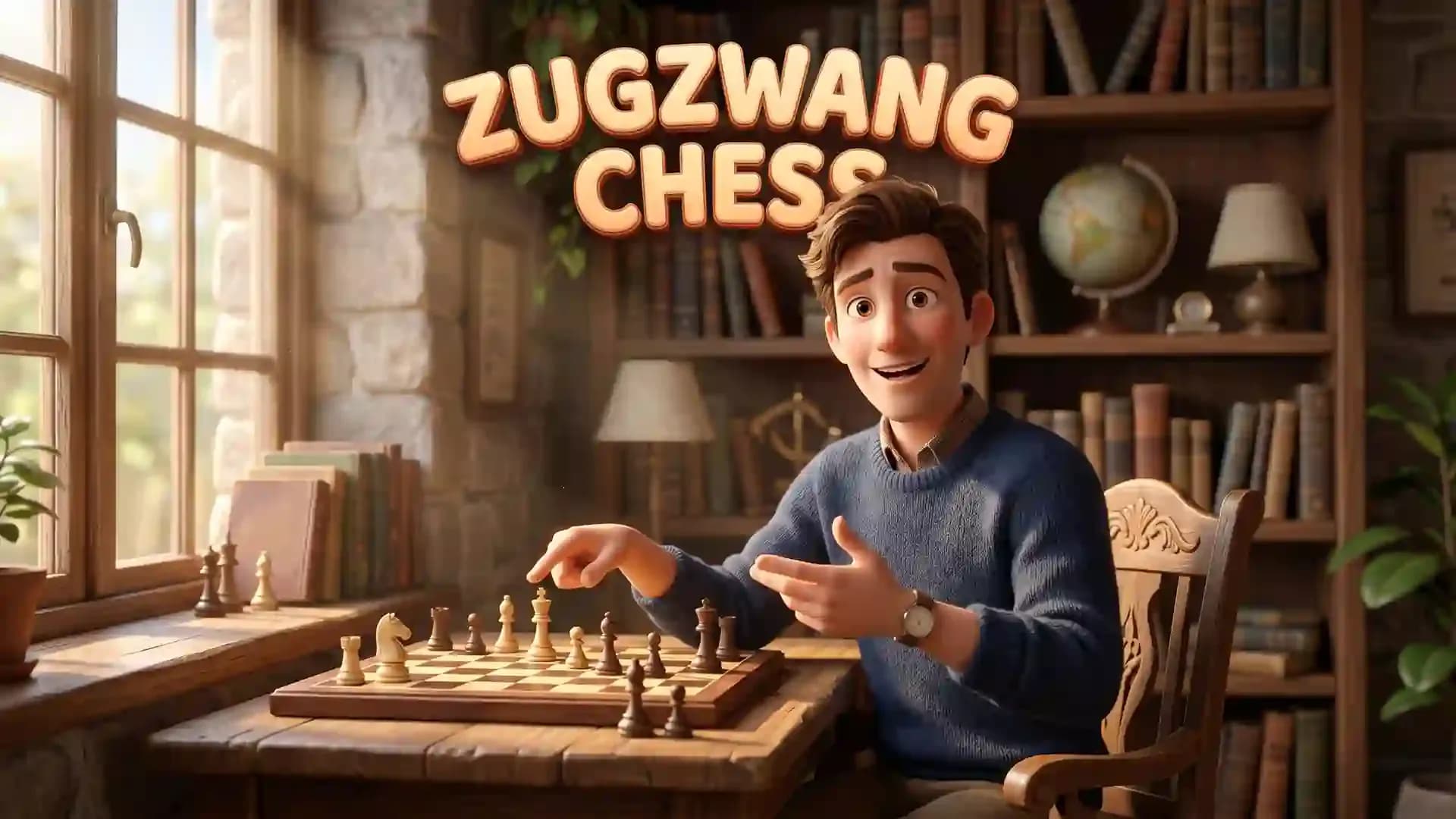
What Is Zugzwang in Chess? Meaning, Examples & How to Use It to Win
Ever been forced to make a losing move? That’s zugzwang. Learn how it works, see examples, and use it to dominate your opponent.
Can a King Checkmate a King? (Full Chess Rule Explained)
Can a King checkmate a King in chess? Discover the real rule, expert insights, and examples—click to master this key concept in chess strategy!

The 7 Fastest checkmate Moves Every Beginners must know
Discover the fastest checkmate strategies to win chess games quickly. Master quick tactics and impress your opponents—start learning now!

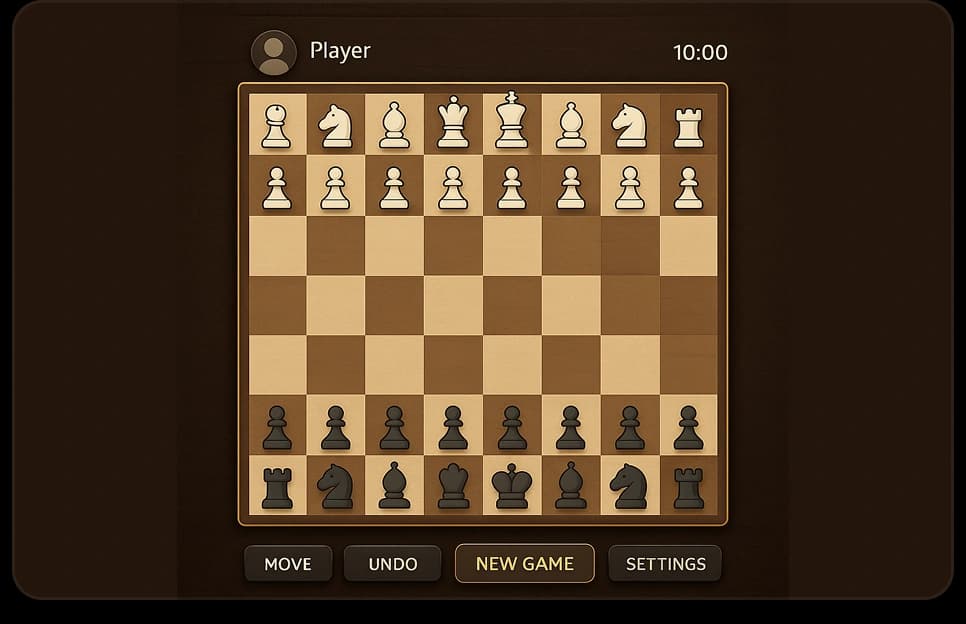
Not only will learning the idea of a 3 move checkmate make your games more exciting, but it will also assist in learning the underlying patterns that govern initial play.
This guide will not only tell you how to win chess in three moves, but it will also explain why it is difficult yet informative, and how it relates to some other fast chess tricks like Fool's Mate and 4 or 5-move checkmate patterns that beginners learn in easy chess openings.
Table of contents
- Can You Really Win Chess in 3 Moves?
- Step-by-Step Guide – How to Win Chess in 3 Moves
- Getting Checkmate in Three Moves Without Capturing
- Why the 3 Move Checkmate Works (and When It Doesn’t)
- Common Variations of the 3 Move Checkmate
- Mistakes Beginners Make While Trying the 3 Move Checkmate
- How to Defend Against the 3 Move Checkmate
- Final Thoughts
Can You Really Win Chess in 3 Moves?
A 3 move checkmate is not a regular opening setup you’ll win with against skilled players. It only works when your opponent, usually Black, makes critical early mistakes that leave their king exposed.
However, understanding how such a fast victory happens gives beginners valuable insight into center control, piece coordination, and common pitfalls to avoid. You can practice the move while playing chess online.
Step-by-Step Guide – How to Win Chess in 3 Moves
Let's walk through the exact steps to deliver the three-move checkmate, understand why it works, and how beginners can use it as a learning experience.
Step 1 – White Plays e4

The move e4 is critical in many easy chess openings for beginners. It immediately controls central squares and opens lines for both queen and bishop to enter action. From here, the stage is set for either strategic development or an opportunistic strike if the opponent blunders early.
Step 2 – Black Responds with g5 (a Weak Move)

When Black plays g5, the position becomes vulnerable. This pawn move is a key reason why the 3 move checkmate can happen at all. Moving the g-pawn so early exposes the king side, especially along the diagonal leading to f7, the weakest point in the starting position.
Step 3 – White Plays Qh5# (Checkmate!)

Now comes the finishing touch, Qh5#. The queen attacks f7 directly, and the black king has nowhere to run. This marks a clean 3-move chess win that instantly ends the game. Although the sequence is simple, 1. e4 g5 2. Qh5#, it teaches a deeper message: neglecting the king's safety can be fatal.
Getting Checkmate in Three Moves Without Capturing
This version of the 3 move checkmate lets you win without capturing any pieces. It’s quick, easy, and great for learning how to win chess in three moves.
Step 1: Move your queen pawn to d3

Push your pawn in front of the queen to d3. This opens a path for your queen and tempts your opponent to move pawns on the kingside, like f6 or g5, which weakens their defense.
Step 2: Move your king pawn to e4

Next, move your pawn in front of the king to e4. This frees the queen to move toward h5 and increases pressure on the weakened kingside.
Step 3: Move your queen to h5 (Qh5)

Bring your queen to h5, checkmate. The opponent’s king can’t escape. This simple three-move checkmate works only if your opponent plays weakly, but it’s perfect for beginners practicing easy chess openings and looking to improve chess skills.
Why the 3 Move Checkmate Works (and When It Doesn’t)
The tactic only succeeds when the opponent plays extremely weak opening moves. It’s not a typical plan you can rely on continuously. However, understanding it builds tactical vision and awareness of potential threats.
When compared with Fool's Mate (the fastest checkmate in chess) or later traps like the 4 move checkmate and 5 move checkmate, the three move checkmate falls right in the middle, teaching how quick activity of the queen can both win or lose depending on precision.
Practicing this pattern within easy chess openings for beginners helps you anticipate mistakes from inexperienced opponents and respond correctly when someone tries similar tricks against you.
Common Variations of the 3 Move Checkmate
Some versions of the 3 move checkmate chess happen if Black chooses f6 instead of g5, leading to a similar tactic by White. In both cases, the f7 square remains the target.
Other early checkmates, like the 4 move checkmate (Scholar’s Mate), share the same goal of exploiting f7 or f2. Even studying traps like the 2 move checkmate (Fool’s Mate) enhances your understanding of weak king-side structures.
Exploring all these variations systematically can dramatically improve chess skills by helping you recognize underlying attacking principles rather than focusing on memorization.
Mistakes Beginners Make While Trying the 3 Move Checkmate
Beginners attempting to win chess in 3 moves often commit the same missteps:
- Playing for traps every game without understanding development.
- Moving the queen too early and losing tempo.
- Ignoring basic setup ideas from easy chess openings for beginners, like the Italian, London System, or the trompowsky attack.
- Overexposing the king through premature pawn pushes.
While these errors are common, avoiding them builds consistency and keeps progress steady.
How to Defend Against the 3 Move Checkmate
Defending against the three-move checkmate is simple when you follow solid principles.
Play 1...e5 instead of risky pawn pushes like f6 or g5. Then develop your knights (Nf6, Nc6) and protect the king by castling early.
If White tries Qh5 early, respond calmly with g6 or Nc6 to neutralize the threat. Playing inside these rules helps you spot traps before they appear and turn defense into attack.
Defensive awareness like this separates good players from beginners still relying solely on the 3 move chess win trick.
Final Thoughts
You can learn about how minute details are determinants in a game by learning about such quick patterns as the 2 move checkmate, 4 move checkmate, 5 move checkmate, and the quickest of all, the Fools Mate.
To any researcher with easy chess openings to beginners, the insights will be a boon to accelerate more and implement chess skills without the need to study more openings, as the patterns become recognizable and the sense of openings improves automatically.
FAQs
- Yes, but only if your opponent makes a major early mistake, such as pushing g5 or f6. It’s rare but educational.
- The most common version is 1.e4 g5 2.Qh5#, a direct finish widely known among beginners learning how to win chess in three moves.
- Not in normal play. Quick mates for Black only happen through blunders like Fool’s Mate, which demonstrates the fastest checkmate pattern possible.
- The Mate of Fool occupies the least amount of time; it is a two-move checkmate. It is usually employed to show how penetrating through weakness could lead to the instant termination of a game.
Back Rank Mate: How to Spot and Win Instantly
What is a Back Rank Mate? Learn the key patterns, common traps, and simple strategies to deliver this classic checkmate and win more games today.
Fool's Mate: Fastest Checkmate in Chess Explained
Fool's Mate is the fastest checkmate in chess. Discover how the 2-move mate works, why it happens, and simple ways to avoid it. Learn the pattern and improve your chess.
What Is Zugzwang in Chess? Meaning, Examples & How to Use It to Win
Ever been forced to make a losing move? That’s zugzwang. Learn how it works, see examples, and use it to dominate your opponent.
Can a King Checkmate a King? (Full Chess Rule Explained)
Can a King checkmate a King in chess? Discover the real rule, expert insights, and examples—click to master this key concept in chess strategy!
The 7 Fastest checkmate Moves Every Beginners must know
Discover the fastest checkmate strategies to win chess games quickly. Master quick tactics and impress your opponents—start learning now!