How to Win Chess in 5 Moves: Scholar's Mate, Fool's Mate & Quick Traps

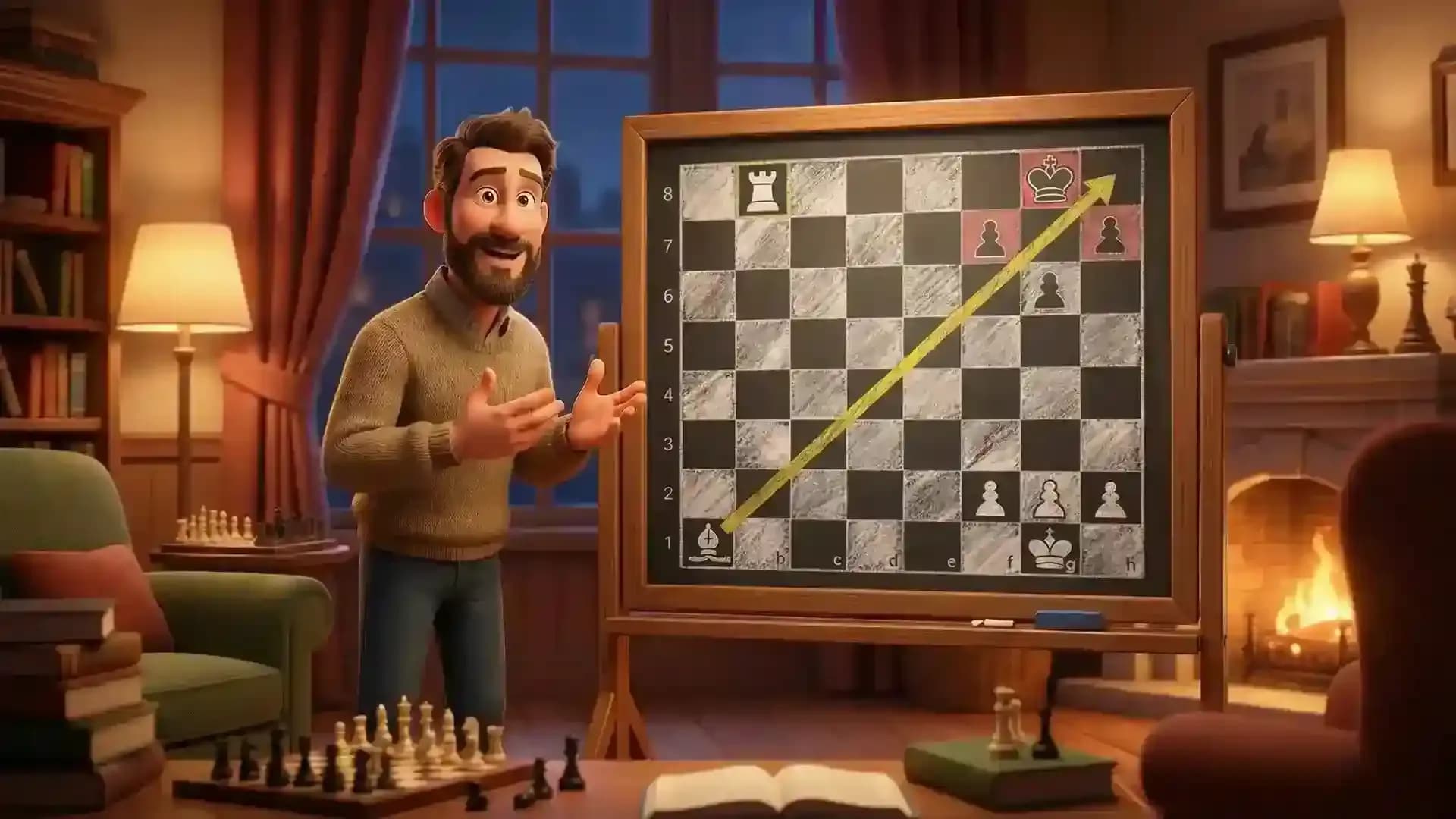
Back Rank Mate: How to Spot and Win Instantly
What is a Back Rank Mate? Learn the key patterns, common traps, and simple strategies to deliver this classic checkmate and win more games today.
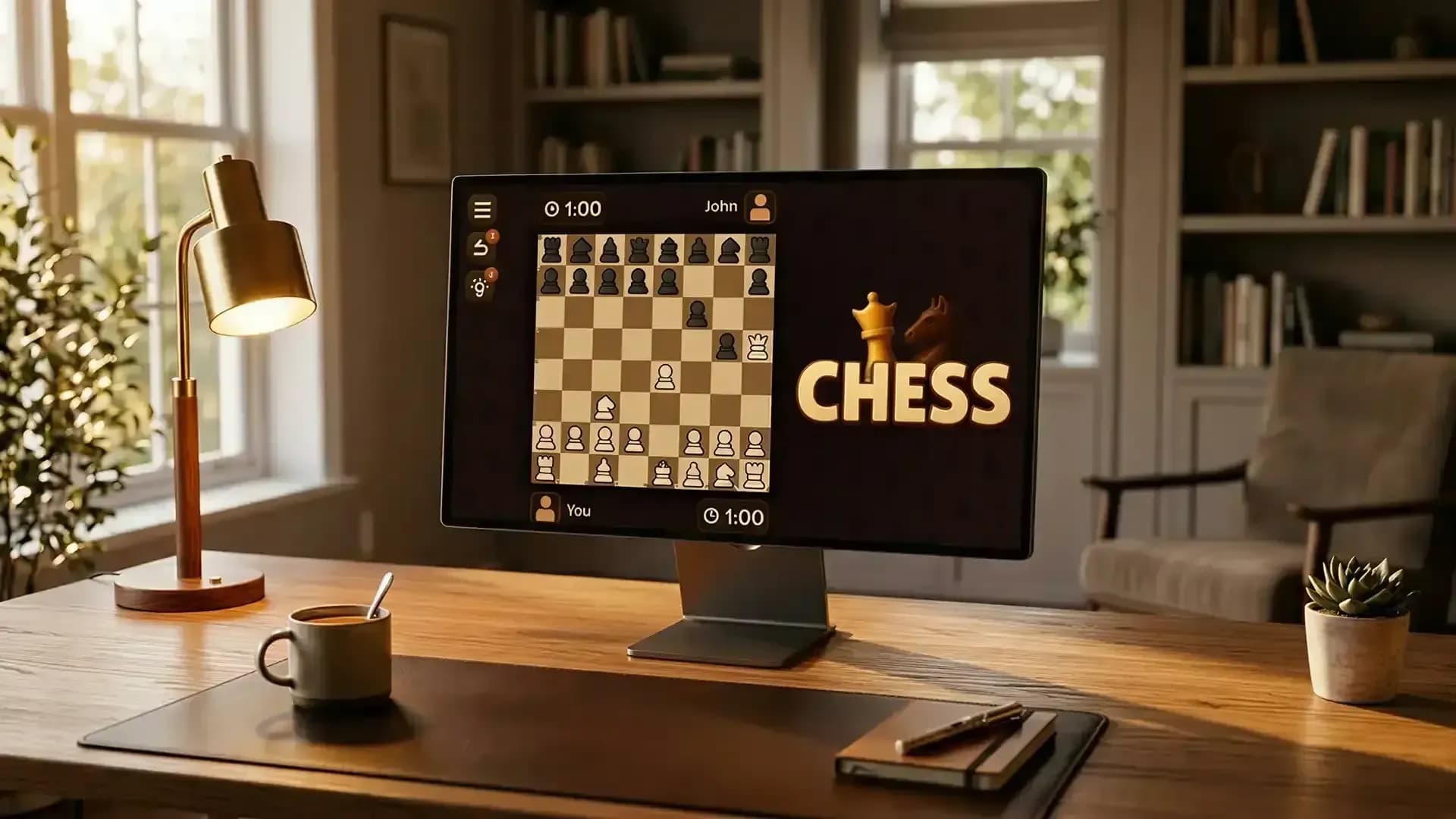
Fool's Mate: Fastest Checkmate in Chess Explained
Fool's Mate is the fastest checkmate in chess. Discover how the 2-move mate works, why it happens, and simple ways to avoid it. Learn the pattern and improve your chess.
What Is Zugzwang in Chess? Meaning, Examples & How to Use It to Win
Ever been forced to make a losing move? That’s zugzwang. Learn how it works, see examples, and use it to dominate your opponent.

Can a King Checkmate a King? (Full Chess Rule Explained)
Can a King checkmate a King in chess? Discover the real rule, expert insights, and examples—click to master this key concept in chess strategy!

The 7 Fastest checkmate Moves Every Beginners must know
Discover the fastest checkmate strategies to win chess games quickly. Master quick tactics and impress your opponents—start learning now!

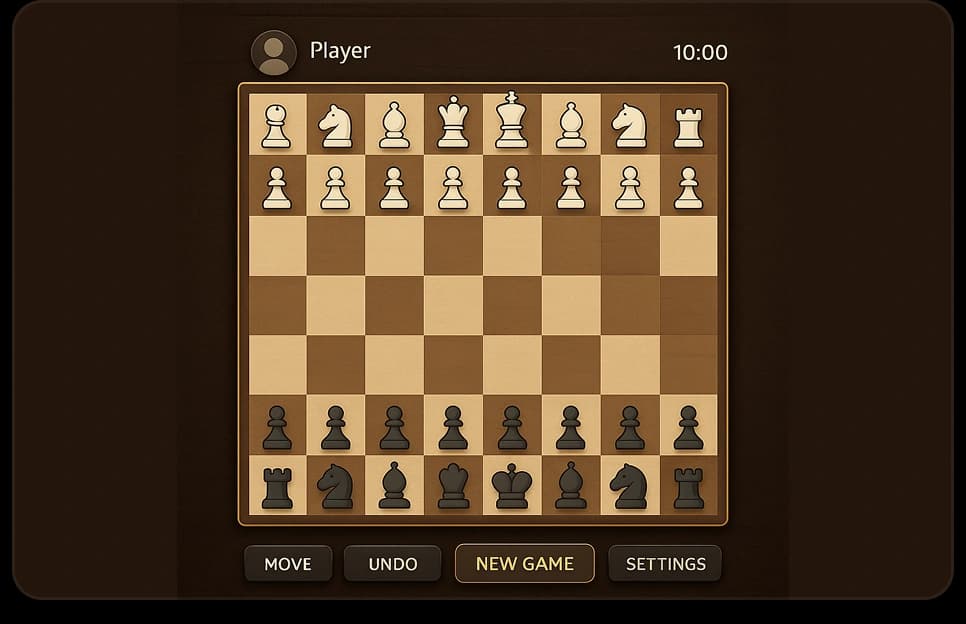
A 5 move checkmate is an expedient way of winning the chess game through your opponent's bad defense, particularly in the f7 (for Black) or f2 (for White) squares.
This checkmate normally occurs when your opponent wastes pawns at the start of the game or fails to adequately secure their king at the start of the game. You may observe this in such openings as the Italian Game or the Hopton Attack, where your Queen and bishop rapidly develop and threaten greatly.
Table of contents
What Is the 5 Move Checkmate?
The classic 5 move checkmate happens when your opponent overextends pawns or ignores king safety. It's fast, simple, and uses standard openings familiar to most players.
Practicing the 5 move checkmate is a good way to teach beginners the important ideas of controlling the center, fast piece development, and attacking the vulnerable position around the king. Rather than memorizing moves, it is learning how to attack with your bishop and queen at the same time.
Good skills develop through practicing such concepts, which even Grandmasters like Magnus Carlsen apply to enhance their game.
Common Example: Hopton Attack Trap

This famous trap against the Dutch Defense shows the 5 move checkmate perfectly:
d4 f5
Bg5 h6
Bh4 g5
e4 gxh4
Qh5#
Checkmate! The queen delivers the final blow, and the early pawn pushes by Black weaken all defense squares. This is a true checkmate in 5 moves.
How It Differs from Other Quick Mates
- Fool's Mate (2 checkmate moves): Very rare, only works if the opponent plays major blunders.
- Scholar's Mate (4 moves): A beginner-friendly trick using the queen and bishop.
- 5 Move Checkmate: Slightly longer and more flexible, used in many different openings.
Step-by-Step – How to Win Chess in 5 Moves

Move Sequence Example
A simple 5 move checkmate can appear in different openings. Here’s a universal pattern:
- e4 e5
- Bc4 Nc6
- Qh5 g6
- Qf3 a6
- Qxf7#
This sequence is a brilliant example of a delayed Scholar's Mate pattern. White starts aggressively by targeting the weak f7 square, but Black defends correctly on move three by pushing their g-pawn to block the Queen. Instead of giving up, White immediately resets the trap on move four by pulling the Queen back to f3, lining up a brand-new attack on that exact same f7 pawn. Black lets their guard down, playing a lazy side-pawn move, which allows White to swoop in and snap shut the checkmate on exactly the fifth move.
This quick finish, known from the Italian Game pattern, teaches central control, piece coordination, and awareness of weak squares.
Common Chess Patterns Behind Quick Checkmates
- Control the weak f7/f2 squares.
- Coordinate the queen and bishop to attack fast.
- Do not move too many pawns in the beginning.
- Move your pieces towards the middle.
These are simple chess tactics for beginners, the foundation of several good openings, such as the Ruy Lopez and English Opening.
Scholars Mate Opening Move

Scholar's Mate is the most famous four-move checkmate in chess, making it the ultimate example of an aggressive under 5 move checkmate opening. It works by exploiting the f7 square the weakest spot in Black's camp, because only the King protects it at the start of the game. If Black fails to spot the dual threat from White's Queen and Bishop, the game ends almost immediately.
Here is how the attack unfolds step-by-step:
1. e4 e5:Opening the Lines
White opens the center to clear paths for the Queen and Bishop. Black mirrors the move, occupying their own central space.
2. Bc4 Nc6:Targeting the Weak Spot
White develops the Bishop to bc4, aiming directly at Black's vulnerable f7 pawn. Black brings out a Knight to protect the center.
3. Qh5 a6:Doubling the Attack
White swings the Queen to qh5, creating a deadly double-attack on f7. Black plays a careless pawn move, completely missing the threat.
4. Qxf7#: The Fatal Blow
White's Queen captures the f7 pawn, landing right in front of the Black King to deliver an immediate checkmate.
5: Game Over: No Escape
The match ends instantly because the Black King cannot run away, and he cannot take the Queen because White's Bishop protects her.
Fool’s Mate Chess Opening Moves
Fool's Mate holds the record as the absolute fastest checkmate possible in chess. It is a striking example of an under 5-move checkmate opening that catches unprepared players in just two moves. This rapid defeat happens when White opens the game by blundering their g- and f-pawns forward, exposing a direct, undefended diagonal line straight to their own King.
Here is how this lightning-fast trap plays out:
1. f3 e5: The Blunder.
White weakens their king's safety right away by pushing the f-pawn. Black responds intelligently by claiming the center and opening lines for their Queen.
2. g4 Qh4#: The Fatal Mistake.
White pushes the g-pawn, completely tearing open the diagonal path to their King. Black instantly exploits this massive hole by launching the Queen to qh4.
3: Game Over.
The match ends instantly. The White King is trapped behind his own pawns with no safe squares to run to, and no other piece can step in to block the Queen's deadly check.
How to Defend Against the 5 Move Checkmate

Defense is also significant in enhancing your game and avoiding traps when you play free online chess.
Early Warning Signs: If your opponent develops the queen to h5 or f3, they’re likely aiming to attack f7. Move carefully and keep your pieces protecting vital squares.
Key Defensive Ideas
- Develop knights early (Nf6, Nc6).
- Protect f7 with your bishop or queen.
- Castle as soon as possible for the king's safety.
Correct Defense Example
e4 e5
Bc4 Nc6
Qh5 g6
Qf3 Nf6
Here, Black’s king is safe, and development continues smoothly.
Chess Tricks to Win in 5 Moves
Sometimes, winning fast depends on spotting losing chess openings. Try these chess tricks to win in 5 moves:
- Use queen-bishop alignment toward the enemy king.
- Open the center with e4 or d4 early.
- Punish pawn pushes like g5 or f6.
- Use your lead in development to attack before the opponent can castle.
Practicing these moves while you play chess online for free on platforms like Lichess.org or Chess.com will improve your speed and pattern recognition.
Why Learn the 5 Move Checkmate

- Builds tactical confidence. You start recognizing threats faster.
- Teaches board awareness. You'll memorize attacking patterns naturally.
- Improves creativity. You learn to spot bold attacks and defenses.
- Strengthens fundamentals. Controlling the center, developing pieces, and safe king placement become habits.
It is also going to be a great way to checkmate the opposition quickly without much of a hassle, and you can learn to ignore the development of the strategies.
Conclusion – Master Basics Before Quick Wins
Checkmate 5-move is not merely a flashy ending, but the beginning of opening principles for beginners in understanding patterns and playing tactics. For official rules and guidelines, see the FIDE Handbook. If you master these ideas, it will become simpler to handle complex chess openings, and when you get the chance to attack or defend.
Play easily, build quickly, and should your opponent expose his king, attack soon. You will begin to mix solid strategy with quick mates when you play chess online for free and experiment with various openings, including the Ruy Lopez, Bird Opening, or Italian Game.
The best part? You can play chess online for free anytime to test your tactics, practice against real opponents, and learn by experience.
FAQs
- No, it only works when opponents make poor defensive moves or when the opponent is not able to check the trick.
- Not often. Advanced players know the defenses, but it can surprise beginners in online games.
- Yes, you can win the game with 5 move with black by using the Englund Gambit or Van’t Kruijs Opening, but it needs accurate play.
- Study basic checkmate patterns, like the two bishop checkmate, and learn easy chess openings for beginners.
Back Rank Mate: How to Spot and Win Instantly
What is a Back Rank Mate? Learn the key patterns, common traps, and simple strategies to deliver this classic checkmate and win more games today.
Fool's Mate: Fastest Checkmate in Chess Explained
Fool's Mate is the fastest checkmate in chess. Discover how the 2-move mate works, why it happens, and simple ways to avoid it. Learn the pattern and improve your chess.
What Is Zugzwang in Chess? Meaning, Examples & How to Use It to Win
Ever been forced to make a losing move? That’s zugzwang. Learn how it works, see examples, and use it to dominate your opponent.
Can a King Checkmate a King? (Full Chess Rule Explained)
Can a King checkmate a King in chess? Discover the real rule, expert insights, and examples—click to master this key concept in chess strategy!
The 7 Fastest checkmate Moves Every Beginners must know
Discover the fastest checkmate strategies to win chess games quickly. Master quick tactics and impress your opponents—start learning now!