Chess Tips: 23 Beginner Tips and Tricks to Win Games


Types of Chess: Explore All Variants and How They're Played
Discover the different types of chess, including classical, rapid, blitz, and modern variants. Learn the rules, differences, and pick the best one to play today.
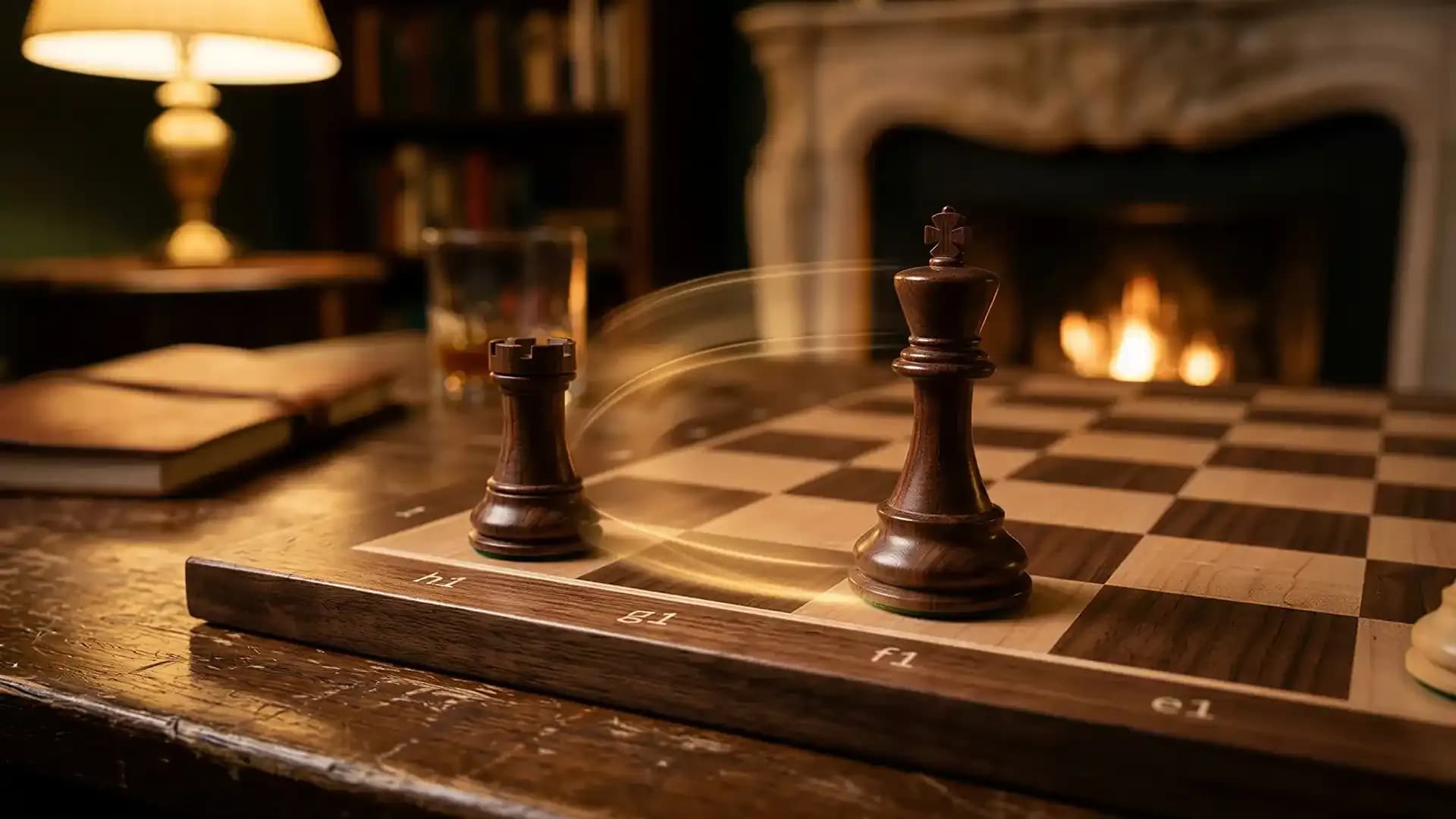
Castling in Chess: Rules, Long Castling & How to Castle
Castling in chess is a special move that allows the king and rook to move at the same time, helping protect the king and activate the rook for better board control.
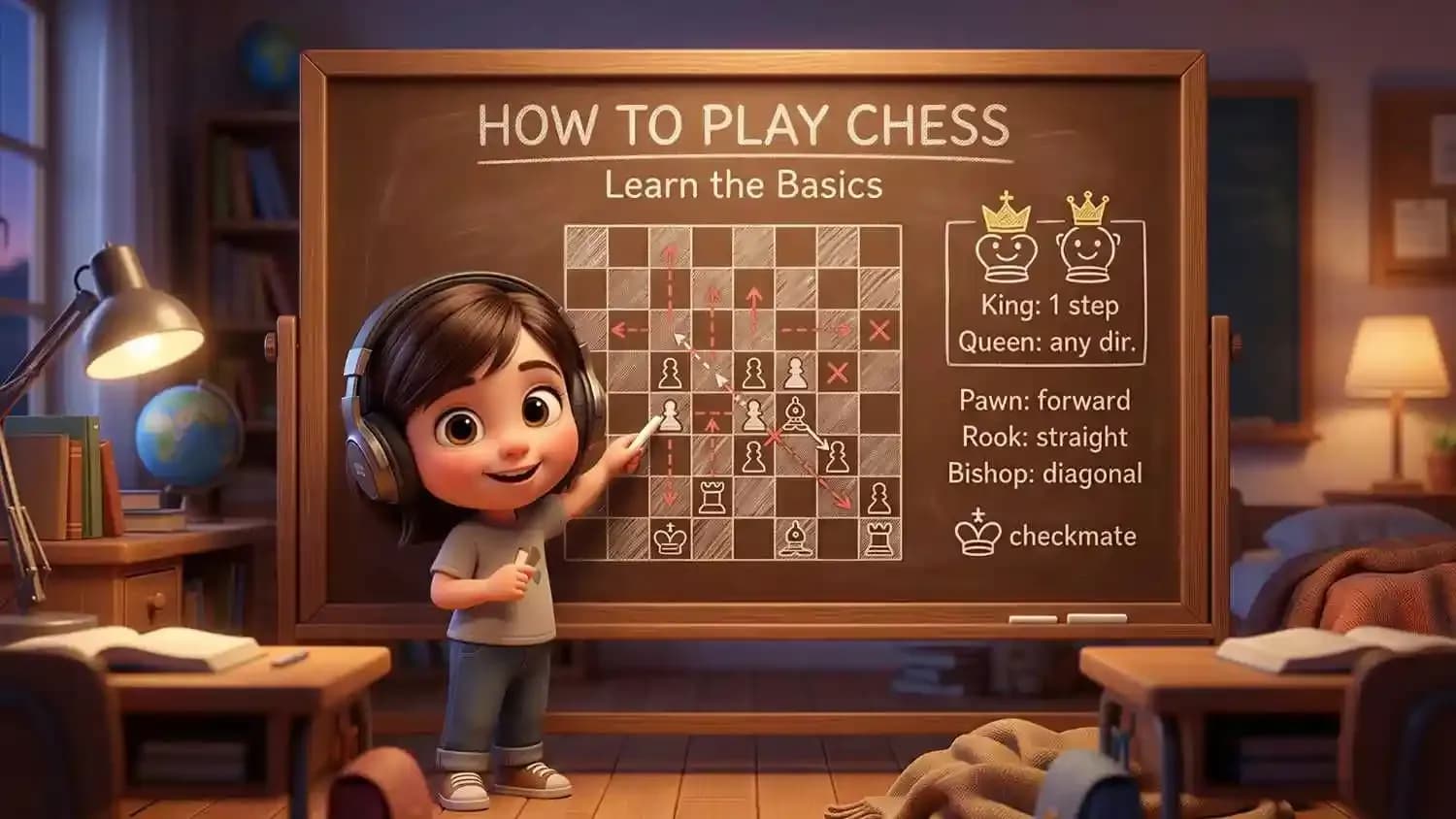
How to Play Chess: Easy Rules & Beginner Tips
How to play chess explained simply with board setup, piece rules, checkmate basics, and beginner strategies. Follow this guide and start playing today.

Youngest Chess World Champion: Top 10 Youngest Champions in History
Only a handful of players have ever claimed the title of youngest chess world champion, and the record keeps getting shattered. From Gukesh Dommaraju's historic 2024 win at just 18 to Kasparov's 40-year reign atop the record books, here's the full ranked list, timeline, and the rising prodigies who could break it next.
Chess Notation Explained: A Complete Guide to Reading and Writing Algebraic Notation
Master chess notation with our complete guide covering algebraic symbols, board coordinates, special moves and annotations. Start reading games today!

Chess tips and tricks are one of the most important parts for any chess player to win the chess game or even to draw a losing game. If you remember our 23 beginner's tips and tricks, you are sure to improve your winning percentages.
Also, if you want to learn more strategies or the fundamentals of the game, you can play chess online or check out the blog posts on the website.
Table of contents
Why Chess Tips Matter for Beginners
Chess is about making a plan. Most beginners lose because they give away pieces for free. These are called "blunders." By using chess tips for beginners, you can avoid these easy mistakes.
Learning how chess pieces move is just the start. You need to know where to put them to control the game. A good player looks for the best square for every piece. This makes the game easier to play and harder for your opponent to win.
When comparing chess vs checkers, beginners often notice that chess requires deeper planning and piece coordination. Unlike checkers, where moves are more straightforward, chess demands careful thinking before every move.
23 Best Chess Tips and Tricks to Win Games
1. Control the Center

The middle of the board is the most important part. Try to put your pawns and pieces in the center squares. If you control the middle, your pieces can move to any side of the board very fast.
"A player who has an advantage in the center can afford to attack on the wings." by Wilhelm Steinitz
2. Move Your Pieces Out Fast
Do not just move your pawns. You need your Knights and Bishops in the game. This is called "development." Getting your army ready early is a great tip for chess beginners.
3. Protect Your King

Your King is the most important piece. If the King is trapped, you lose. You should use castling in chess as soon as you can. This move hides your King in a safe corner and brings your Rook into the fight.
4. Do Not Move the Same Piece Twice
In the beginning, try to move each piece only once. If you move the same Knight three times, you are wasting time. Your opponent will use that time to bring out their whole army.
5. Keep the Queen Safe
The Queen is very strong, so do not bring her out too early. If you do, the opponent will attack her with smaller pieces. You will have to keep moving her to save her, while your opponent gets better positions.
6. Use the CCT Method
Before you move, look for three things. Look for Checks, Captures, and Threats. This simple check helps you find the best tips for chess in every turn. These are some of the best methods to get better at chess.
7. Watch Your Pieces
Always check if your piece is safe. When no one defends a piece, that piece is hanged. One can grab a hanging item for free. Leaving a piece undefended is the most common chess blunder beginners make.
"A player should never leave a piece undefended; for every piece that is not protected is a potential target." by Siegbert Tarrasch
8. Think About the Other Player
Do not merely look at your own plan. Ask yourself why your opponent had moved his piece. Every knight chess move has a purpose. They might be trying to attack you or set a trap.
It also helps to understand rules like can chess pieces move backwards, so you don’t misjudge what your opponent can or cannot do.
9. Use Knights and Bishops Together

Knights are good at jumping over pieces. Bishops are good at long range. Attack the King of the opponent with them as a team.
10. Keep Your Pawns Strong
Pawns are like a wall. Try not to have two pawns on the same line. Keep them here together, lest they protect one another.
11. Learn Simple Openings
You don't need to learn every move. Just focus on the basics of how to win at chess. Control the middle, develop your pieces, and stay safe.
12. Use Forks and Pins

A "fork" is when one piece attacks two things at once. A "pin" is when you trap a piece so it cannot move. These are the best chess tips and tricks to win.
13. Learn How to Finish
You need to know how to end the game. Practice how to checkmate with King and a Queen. Otherwise, there is a risk of getting the draw if you do not know it and you have more pieces.
14. Look at Your Old Games
When you lose, don't be sad. Check the game and see where you go wrong. This is the quickest way to learn tricks for winning chess.
15. Learn From Chess Apps
One of the best ways to improve your chess skills is to use a best chess app for beginners that includes many tactics and gameplay, helping you understand them better.
16. Take Your Time
Do not play too fast. You can think and not make great mistakes when you play slow games. If there are no time restrictions, take your time making your chess move.
17. Learn Fastest Checkmate Moves
Learning the fastest chessmate moves will surely help you gain the upper hand, and if the opponent is also a beginner, they might get checkmated in 3 or 5 moves.
19. Watch for the "Back-Rank" Mate

Back Rank Mate is something which is used by many intermediate players against the beginners who think that keeping kings behind the pawn is safe, but you need to have open space for the king to move or a counter move if anyone comes to check your king.
"A king is a piece that must be treated with care, for even a single rank can become its prison." by Siegbert Tarrasch
20. Centralize Your King in the Endgame
While you must hide your King during the start of the game (Tip 3), the rules change in the endgame. When most of the big pieces like Queens and Rooks are off the board, your King becomes a powerful attacking piece. Bring it toward the center to help your pawns reach the other side and become Queens.
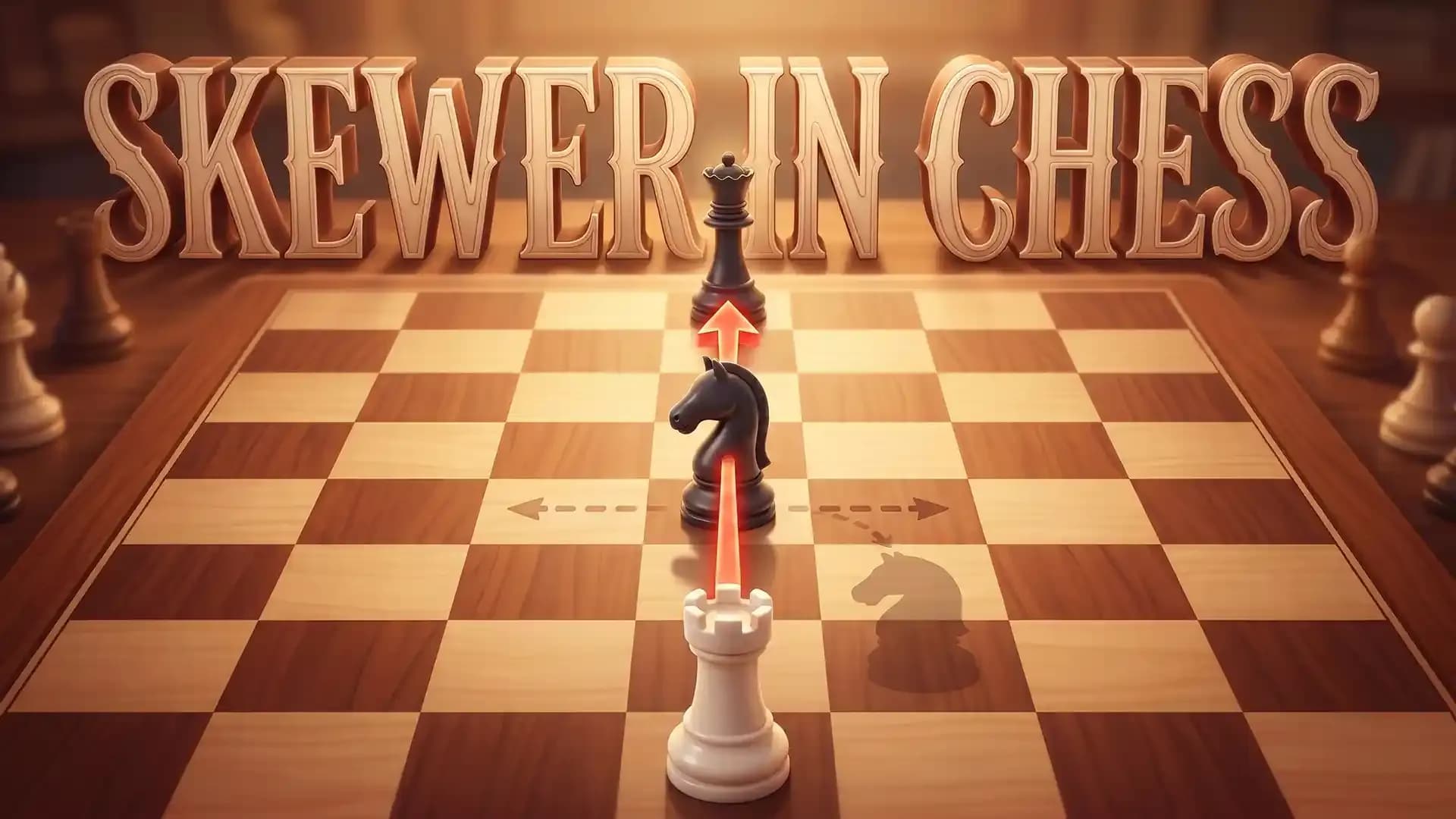
21. Use the "Skewer" Attack
A skewer chess is like a "reverse pin." It is when you capture an important piece (like the King or Queen) and force it to move, leaving the less important piece behind it vulnerable to capture. For example, if you check the King with the Bishop and the King moves away, you can capture the Rook behind the King.
22. Avoid "Hope Chess"
Many beginners move a piece and "hope" their opponent doesn't see their plan. Instead, play as if your opponent is a grandmaster who sees everything. Before you let go of a piece, ask yourself: "If I move here, what is my opponent's best response?" If their best response ruins your plan, find a different move.
23. The Importance of Pawn Structure
Pawns are considered the weakest pieces on the board, but they are the ones who set the tone of the game and also how the game will be played. They create the skeleton structure of your game body, and they are the first line of defense.
"Pawns are the soul of chess." by François-André Danican Philidor
Powerful Chess Tricks for Beginners
You can practice some well-known openings if you want to win fast. The queen's gambit in chess is used by many players due to its control of the center. The Sicilian Defence in chess is also a favourite game, and it is the best game to play with black. These introductions are useful in making you start well.
Chess opening traps should also be noticed. These are cheating strategies that attempt to bring the game to a few turns. And, in case you know them, you can prevent them and triumph. You can also surprise your opponent with the Queen using tricks of playing chess, such as the discovery attack.
If you are still learning and want to strengthen your basics, it also helps to understand whether can you play chess by yourself. Practicing solo can improve your awareness of opening ideas and help you test traps safely without pressure.
Common Beginner Mistakes in Chess
Many players find it necessary to examine only one section of the board. This is called "tunnel vision." You have to look at the entire board prior to every move.
You should know how to play chess better, you should practice each day. It is an excellent method to train your brain to observe the most optimal moves in the shortest time possible by solving puzzles.
How to Improve Fast
A good chess study plan for beginners includes three things. First, play slow games. Second, solve 10 puzzles a day. Third, videos on basic strategy. This will help you learn tricks for playing chess as a novice and improve your ranking.
If you want to play online, you need to find the best online chess platform. You can find plenty of places to play against people worldwide for free. Lessons are also provided at these sites to learn more tricks of the chess game.
Solving puzzles daily trains your eye to spot chess tactics for beginners and advanced players use alike.
Conclusion
Chess is an excellent game that improves with practice. These 17 tips will help to establish a strong base. Don't worry about losing. Any defeat is no more than a lesson that prepares you as a better player. Get used to it, relax, and enjoy playing the board.
FAQs
- To start strong, control the four squares in the middle and move your pieces toward the center. Make sure to castle your king early to keep it safe from attacks.
- Stop giving your pieces away for free by always checking if a square is safe before you move. Before every turn, look at your opponent's last move to see if they are threatening to take one of your pieces.
- Play long games where you have time to think instead of rushing through fast matches. Spend time solving puzzles and using different websites to see various types of lessons and challenges.
Types of Chess: Explore All Variants and How They're Played
Discover the different types of chess, including classical, rapid, blitz, and modern variants. Learn the rules, differences, and pick the best one to play today.
Castling in Chess: Rules, Long Castling & How to Castle
Castling in chess is a special move that allows the king and rook to move at the same time, helping protect the king and activate the rook for better board control.
How to Play Chess: Easy Rules & Beginner Tips
How to play chess explained simply with board setup, piece rules, checkmate basics, and beginner strategies. Follow this guide and start playing today.
Youngest Chess World Champion: Top 10 Youngest Champions in History
Only a handful of players have ever claimed the title of youngest chess world champion, and the record keeps getting shattered. From Gukesh Dommaraju's historic 2024 win at just 18 to Kasparov's 40-year reign atop the record books, here's the full ranked list, timeline, and the rising prodigies who could break it next.
Chess Notation Explained: A Complete Guide to Reading and Writing Algebraic Notation
Master chess notation with our complete guide covering algebraic symbols, board coordinates, special moves and annotations. Start reading games today!