Types of Chess: Explore All Variants and How They're Played

Types of Chess: Explore All Variants and How They're Played
Discover the different types of chess, including classical, rapid, blitz, and modern variants. Learn the rules, differences, and pick the best one to play today.
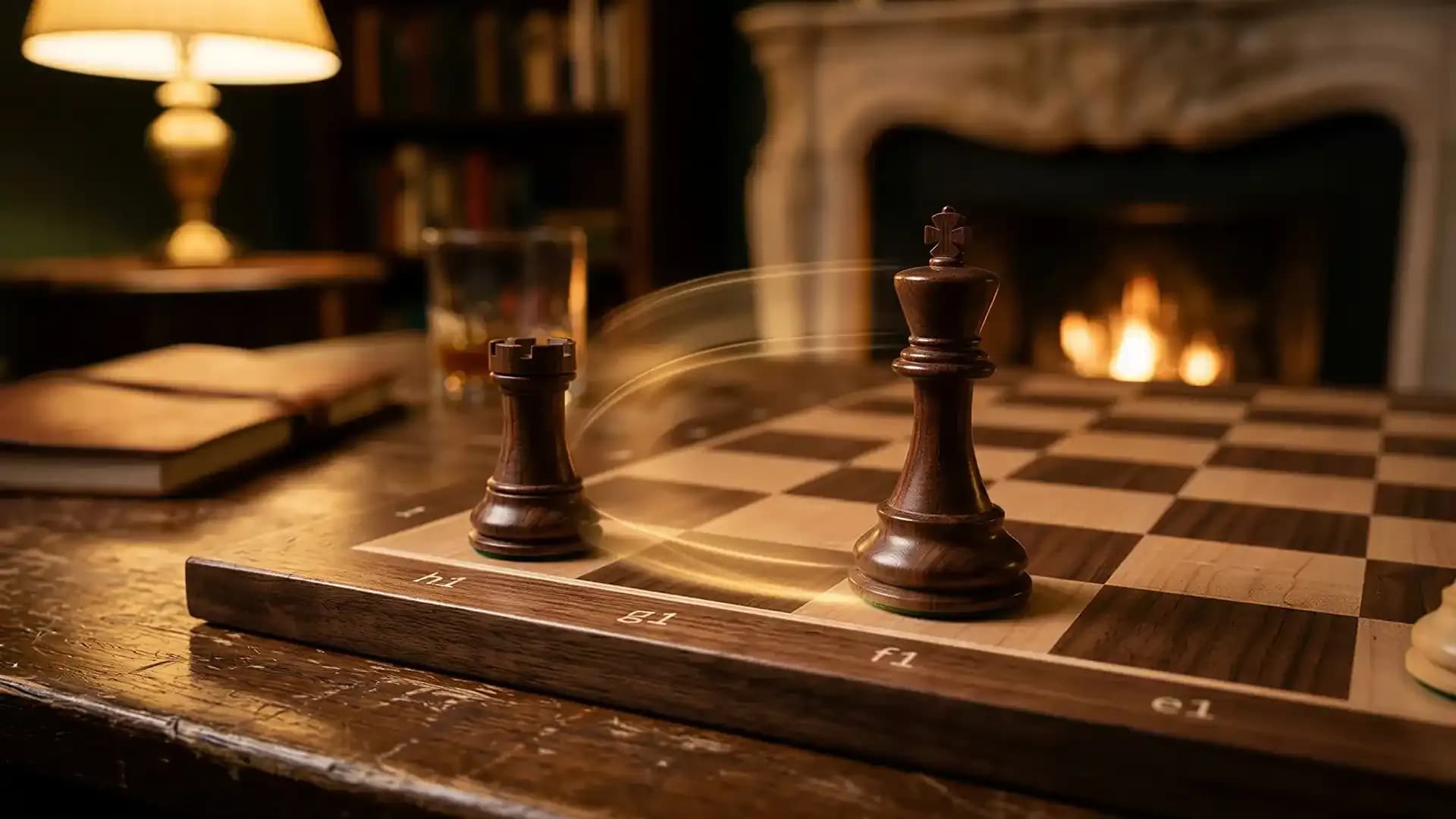
Castling in Chess: Rules, Long Castling & How to Castle
Castling in chess is a special move that allows the king and rook to move at the same time, helping protect the king and activate the rook for better board control.
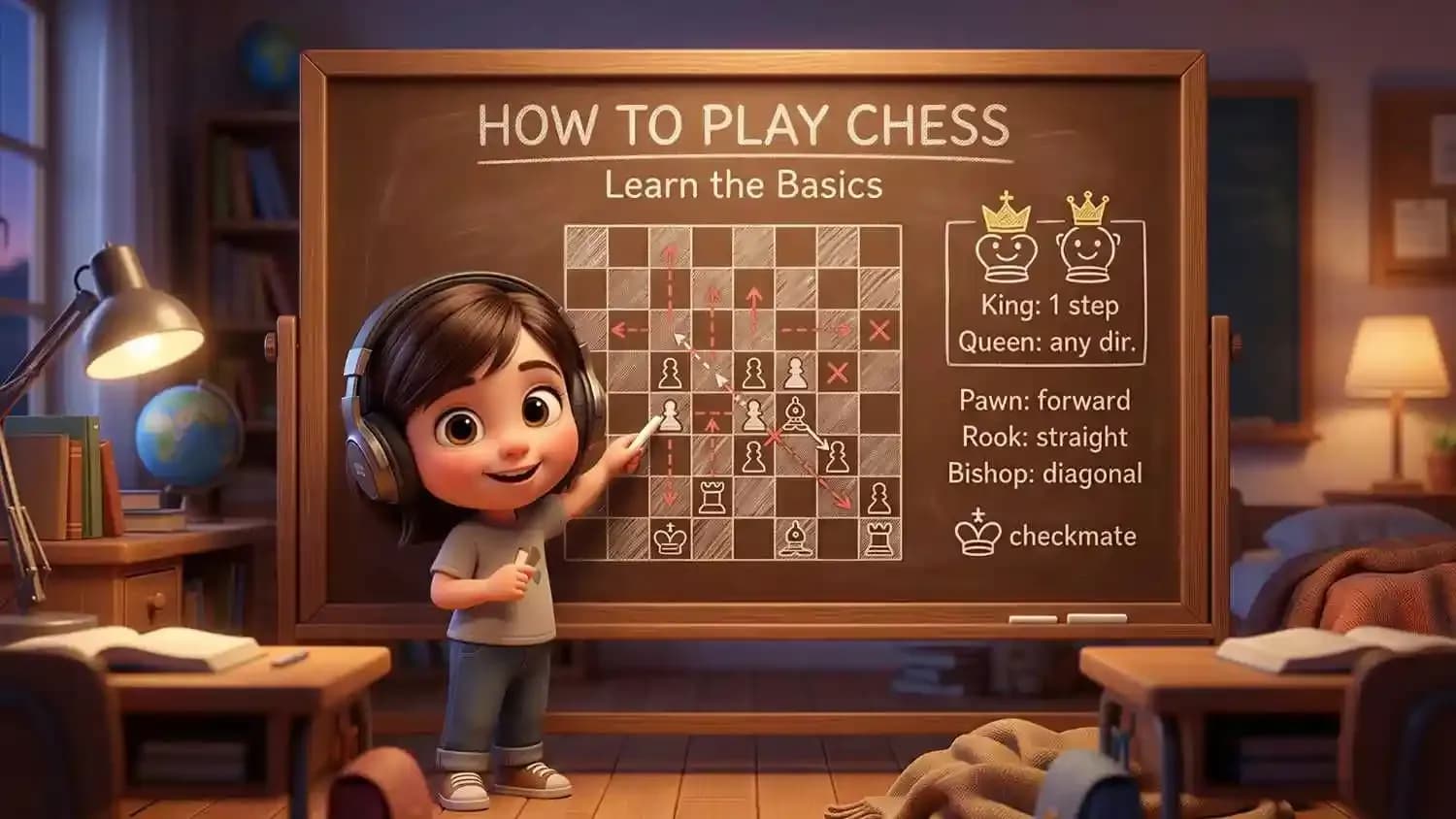
How to Play Chess: Easy Rules & Beginner Tips
How to play chess explained simply with board setup, piece rules, checkmate basics, and beginner strategies. Follow this guide and start playing today.

Youngest Chess World Champion: Top 10 Youngest Champions in History
Only a handful of players have ever claimed the title of youngest chess world champion, and the record keeps getting shattered. From Gukesh Dommaraju's historic 2024 win at just 18 to Kasparov's 40-year reign atop the record books, here's the full ranked list, timeline, and the rising prodigies who could break it next.
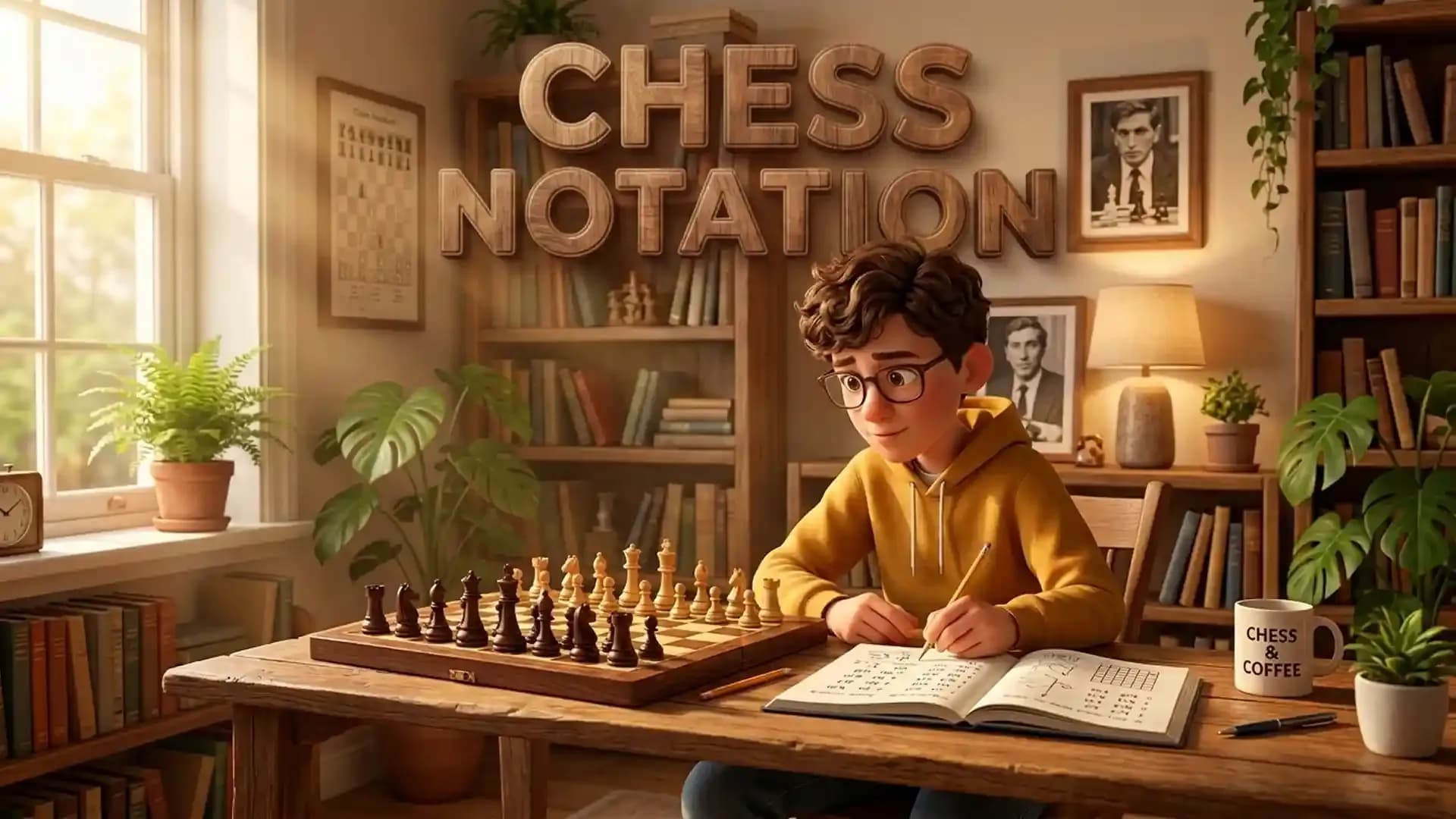
Chess Notation Explained: A Complete Guide to Reading and Writing Algebraic Notation
Master chess notation with our complete guide covering algebraic symbols, board coordinates, special moves and annotations. Start reading games today!

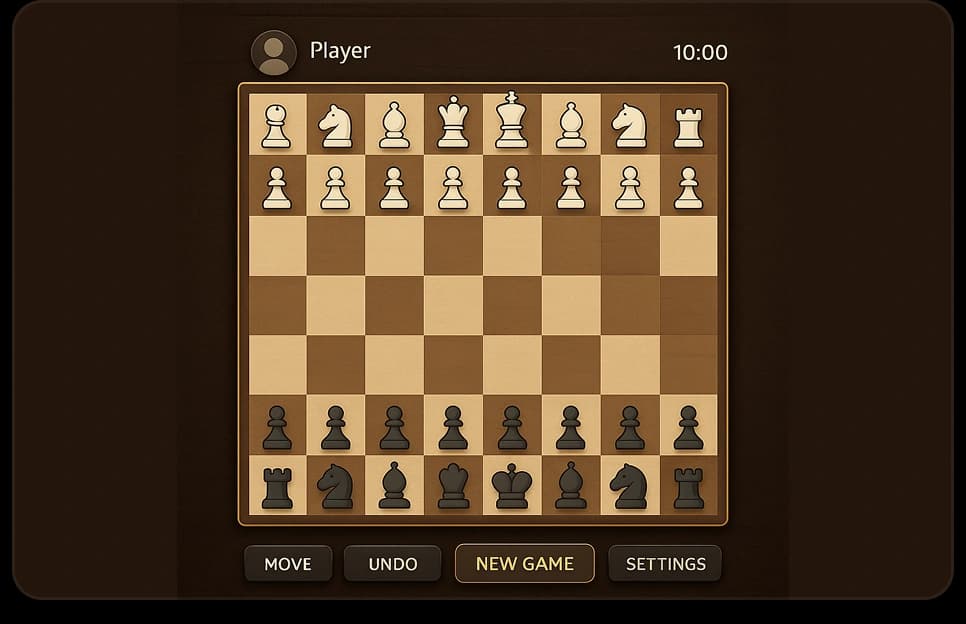
Chess draws players worldwide with its timeless strategy, but the game evolves through numerous formats and variants that cater to every skill level and preference.
From slow, thoughtful classical matches to lightning-fast bullet games and wild rule twists like atomic chess, these types offer unique challenges and excitement.
Understanding them helps you choose the right style to sharpen your skills, whether you're a beginner building fundamentals or a pro seeking fresh competition, and these days, you can play chess online, which is an easier way to compete.
Table of contents
- What Are the Different Types of Chess?
- Main Types of Classical Chess Formats
- Popular Competitive Chess Formats in Tournaments
- Types of Chess Variants (Rule-Based Variations)
- Types of Chess Boards and Sets (Physical Variations)
- Online Chess Types and Modern Digital Formats
- Which Type of Chess Should You Play?
- Final Thoughts: Explore All Types of Chess and Play Your Style
What Are the Different Types of Chess?
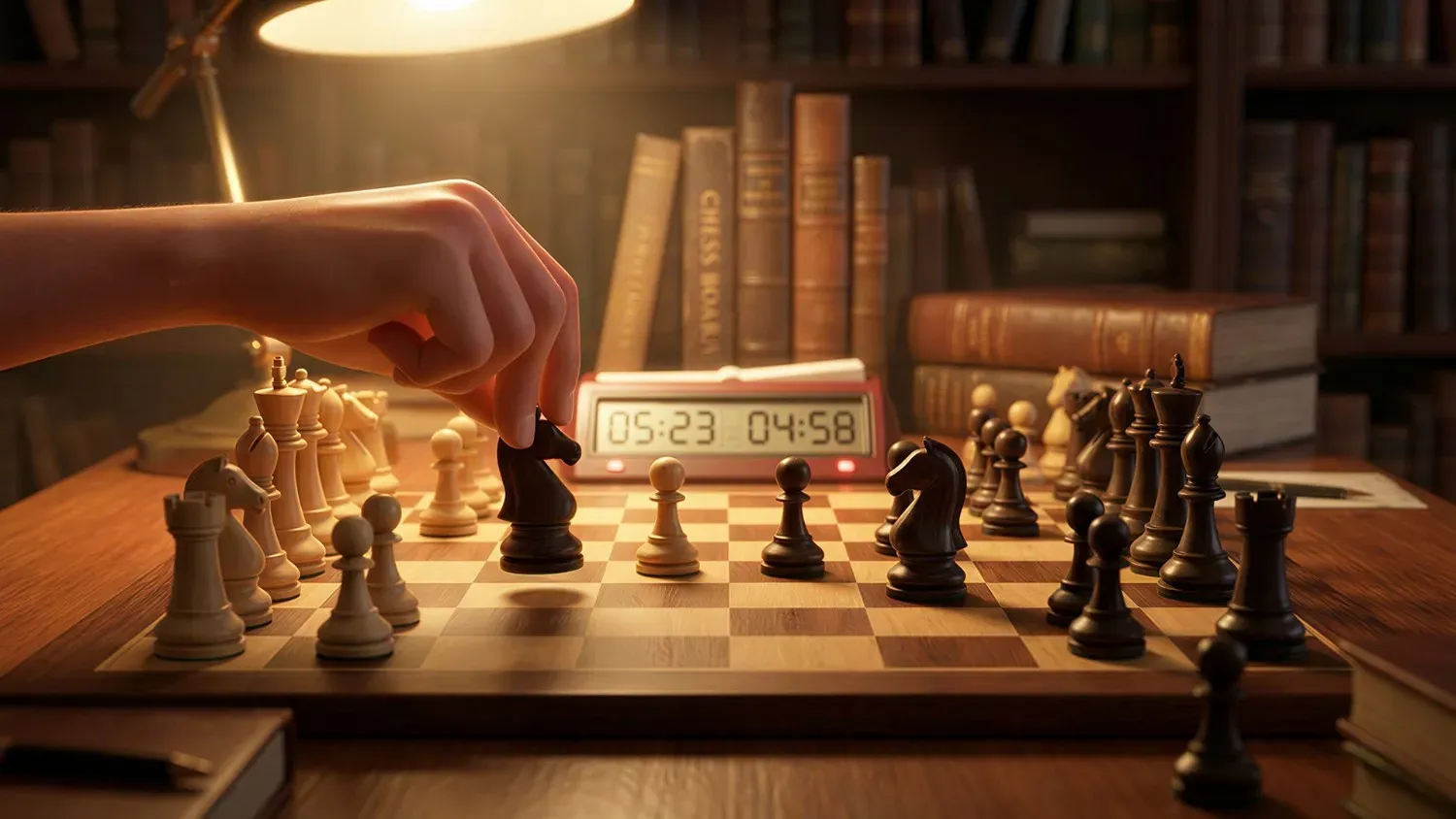
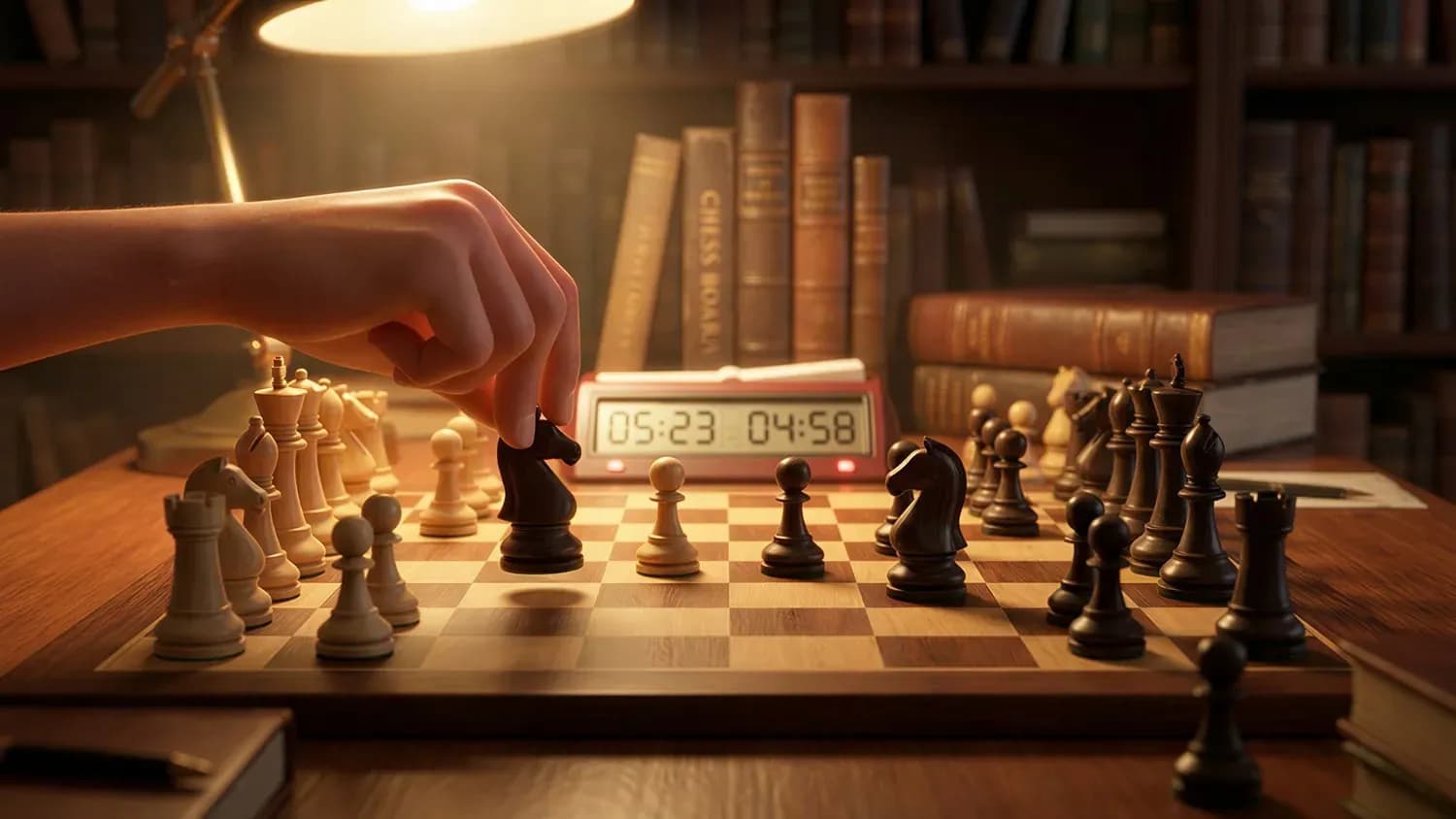
Chess types generally fall into two categories: time-controlled formats based on standard rules and variants that change gameplay mechanics, boards, or win conditions. Time controls dictate how much thinking time players have per move, ranging from hours in classical to seconds in bullet, all managed by digital clocks with optional increments for fairness.
Variants like Chess960 randomize setups to eliminate memorized chess openings, while tournament formats structure competitions.
Players select these based on goals: classical for deep strategy training, blitz for quick practice, or bughouse for social fun with friends.
Main Types of Classical Chess Formats

Standard (Classical) Chess
Classical chess uses long time controls, typically 90 minutes or more per player plus increments, allowing exhaustive calculation of complex positions. This format dominates major tournaments and world championships, where precision in openings, middlegames, and endgames separates elites. It's ideal for developing a deep strategic understanding without the pressure to rush moves.
Rapid Chess
With 10 to 60 minutes per game, rapid chess strikes a balance between deep thought and faster decision-making, leading to fewer blunders than ultra-quick variants while honing intuition. Players must evaluate positions efficiently, making it popular for club events and online practice sessions that mimic a tournament feel without marathon lengths.
Blitz Chess
Blitz chess games last 3 to 5 minutes per side, emphasizing rapid pattern recognition, tactics, and instinct over long-term planning, which explains its explosion on platforms like Chess.com and Lichess. The format's high-stakes pace creates thrilling moments but rewards experience in common traps, drawing millions for daily training or casual battles.
Bullet Chess
Hyper-fast at 1 minute or less total, bullet chess turns matches into reflex tests filled with errors, yet its chaotic energy makes it addictive for short bursts of entertainment. Players thrive on speed and basic principles, often using it to unwind or build clock management under extreme duress.
Correspondence Chess
Moves in correspondence chess unfold over days or weeks via email or apps, giving players unlimited time for engine-assisted analysis and deep study. The story behind Chess.Game shows commitment to all paces, even supporting correspondence play for analytical minds.
Popular Competitive Chess Formats in Tournaments
Competitive chess tournaments are one of the main reasons why chess grandmasters get famous, and playing competitive chess formats in the tournament can help you become a chess grandmaster.
Round-Robin Format
In round-robin, every player faces every opponent once, creating balanced matchups perfect for small, elite events where skill gaps shine clearly. Tiebreaks like Sonneborn-Berger scores resolve close finishes, making it a staple for invitationals.
Swiss System
Swiss pairing matches players with similar scores each round, enabling huge open tournaments with hundreds of entrants without exhaustive games. Major events like the Tata Steel Chess Tournament use it for efficiency and fairness across diverse ratings.
Knockout (Elimination) Format
Knockout demands survival through single matches or mini-matches with tiebreakers, building tension like in FIDE World Cups, where one loss ends your run. Rapid and blitz playoffs decide tight contests, rewarding clutch performance.
Team Chess Formats (Olympiad, Leagues)
Team events like the Chess Olympiad pit countries against each other on multiple boards, combining individual strength with squad strategy for match victories. Leagues adopt regular-season formats, fostering national pride and collaboration.
Types of Chess Variants (Rule-Based Variations)

Chess960 (Fischer Random Chess)
Chess960 randomizes the back-rank pieces for 960 possible starting positions, wiping out opening theory and forcing creative play from move one. FIDE officially recognizes it, with world championships proving its viability at the top levels.
Bughouse Chess
Played on two boards with partners, bughouse lets teams pass captured pieces to drop on their ally's board, creating rapid swings and a frenzy of teamwork. It demands vigilance across boards for maximum chaos.
Three-Check Chess
Victory comes from delivering three checks, shifting focus to aggressive attacks and constant threats rather than traditional checkmate. Shorter games make it accessible and action-packed.
King of the Hill
Reach the board's center with your king to win, flipping safety priorities into bold central advances amid pawn storms. This variant rewards risk-taking in open positions that require a chess player IQ higher than that of any average player.
Crazyhouse
Like solo bughouse, crazyhouse allows dropping captured pieces anywhere on your side, adding material waves that demand precise defense and counter-drops. It amplifies tactical sharpness.
Atomic Chess
Captures explode both pieces and nearby units, turning standard trades into destructive chains while kings remain immune until direct contact. Explosive potential redefines safe play.
Horde Chess
One player commands a massive pawn horde against a full opposing army, testing breakthrough defenses against overwhelming numbers. White's pawns must coordinate for promotion breakthroughs.
Fog of War (No Vision)
Limited board visibility hides enemy pieces beyond a short radius, introducing bluffing and probes into incomplete information scenarios. It simulates wartime uncertainty on the squares.
Hexagonal & 3D Chess (Non-Standard Boards)
Hexagonal boards offer 91 squares with curved movements, while 3D variants stack levels for multidimensional paths, vastly expanding piece mobility and complexity.
Types of Chess Boards and Sets (Physical Variations)

Wooden Tournament Sets
Classic Staunton wooden sets with weighted pieces meet FIDE standards for official play, offering a timeless feel and durability.
Themed Chess Sets
Fantasy, historical, or pop culture themes turn boards into art pieces for casual enjoyment without tournament rigidity.
Travel Magnetic Chess
Compact magnetic sets prevent piece sliding during travel, perfect for on-the-go games with folding boards.
Electronic Chess Boards
DGT-style boards connect to computers for move recording, analysis, and integration with online play.
Giant Outdoor Chess Sets
Massive park sets invite public spectacle, with oversized pieces for group fun and photo ops.
Online Chess Types and Modern Digital Formats
Today, platforms like Chess.Game and Chessable makes online play accessible, each offering different strengths for various chess formats.
Puzzle Chess (Tactics Training)
Endless puzzles, train patterns, and calculations, with rated modes tracking progress like real games.
Chess Bots & AI Difficulty Levels
Scalable AI opponents from beginner to grandmaster strength provide anytime practice and lesson feedback.
Arena Battles (Real-Time Online Tournaments)
Ongoing online arenas group by rating for continuous matches with live leaderboards.
Daily Challenge Modes
Themed daily puzzles or games refresh motivation with streaks and leaderboards.
Which Type of Chess Should You Play?
Best Type for Beginners
Rapid or classical gives breathing room to grasp rules, tactics, and strategy without time panic.
Best Type for Casual Players
Blitz and bullet offer quick, replayable fun ideal for breaks or social sessions.
Best Type for Learning Strategy
Classical and correspondence build long-term planning and precise calculation skills. These are great to learn chess strategies for beginners.
Best Type for Fun and Creativity
Chess960, bughouse, or atomic spark inventive play free from conventions.
Final Thoughts: Explore All Types of Chess and Play Your Style
Diving into chess's full spectrum, from classical depth to variant wildness, unlocks faster growth and endless enjoyment. Platforms like Chess.com and LiChess make every type accessible for free, so experiment across formats to discover your strengths. Beginners especially benefit from variety to build versatile skills.
FAQs
- Chess features dozens of core types, such as classical and speed variants, plus thousands of creative variants that alter the board, pieces, or rules. Popular ones include 3D chess, shogi-inspired games, or even chess on circular boards for endless fun.
- Classical chess dominates major tournaments and world championships with its deep strategy. Blitz surges in online popularity on sites like Chess.com for quick, exciting matches.
- The key types are classical (hours-long games), rapid (10-60 minutes), blitz (3-10 minutes), and bullet (under 3 minutes). Each speeds up play from thoughtful analysis to lightning-fast decisions.
- Classical chess offers plenty of time for careful planning, deep calculations, and long-term strategies over hours. Blitz demands rapid moves in just minutes, focusing on sharp tactics, intuition, and avoiding blunders under pressure.
- Bughouse chess thrills with team chaos as captured pieces get passed to partners for surprise attacks. Atomic chess adds explosive fun where colliding pieces destroy everything nearby, turning boards into battlegrounds.
Types of Chess: Explore All Variants and How They're Played
Discover the different types of chess, including classical, rapid, blitz, and modern variants. Learn the rules, differences, and pick the best one to play today.
Castling in Chess: Rules, Long Castling & How to Castle
Castling in chess is a special move that allows the king and rook to move at the same time, helping protect the king and activate the rook for better board control.
How to Play Chess: Easy Rules & Beginner Tips
How to play chess explained simply with board setup, piece rules, checkmate basics, and beginner strategies. Follow this guide and start playing today.
Youngest Chess World Champion: Top 10 Youngest Champions in History
Only a handful of players have ever claimed the title of youngest chess world champion, and the record keeps getting shattered. From Gukesh Dommaraju's historic 2024 win at just 18 to Kasparov's 40-year reign atop the record books, here's the full ranked list, timeline, and the rising prodigies who could break it next.
Chess Notation Explained: A Complete Guide to Reading and Writing Algebraic Notation
Master chess notation with our complete guide covering algebraic symbols, board coordinates, special moves and annotations. Start reading games today!