How Chess Pieces Move: A Simple Guide for Beginners

Types of Chess: Explore All Variants and How They're Played
Discover the different types of chess, including classical, rapid, blitz, and modern variants. Learn the rules, differences, and pick the best one to play today.
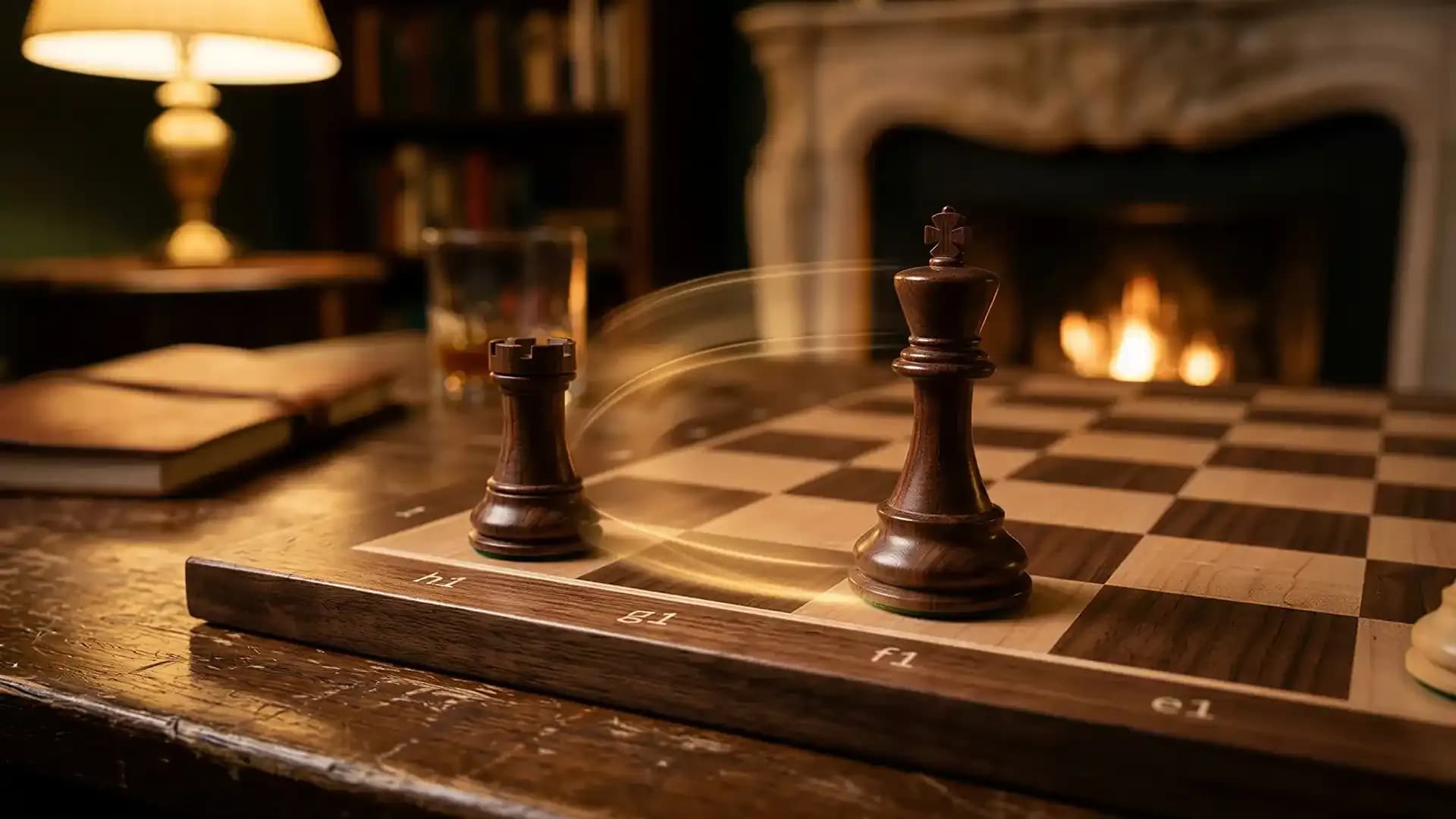
Castling in Chess: Rules, Long Castling & How to Castle
Castling in chess is a special move that allows the king and rook to move at the same time, helping protect the king and activate the rook for better board control.
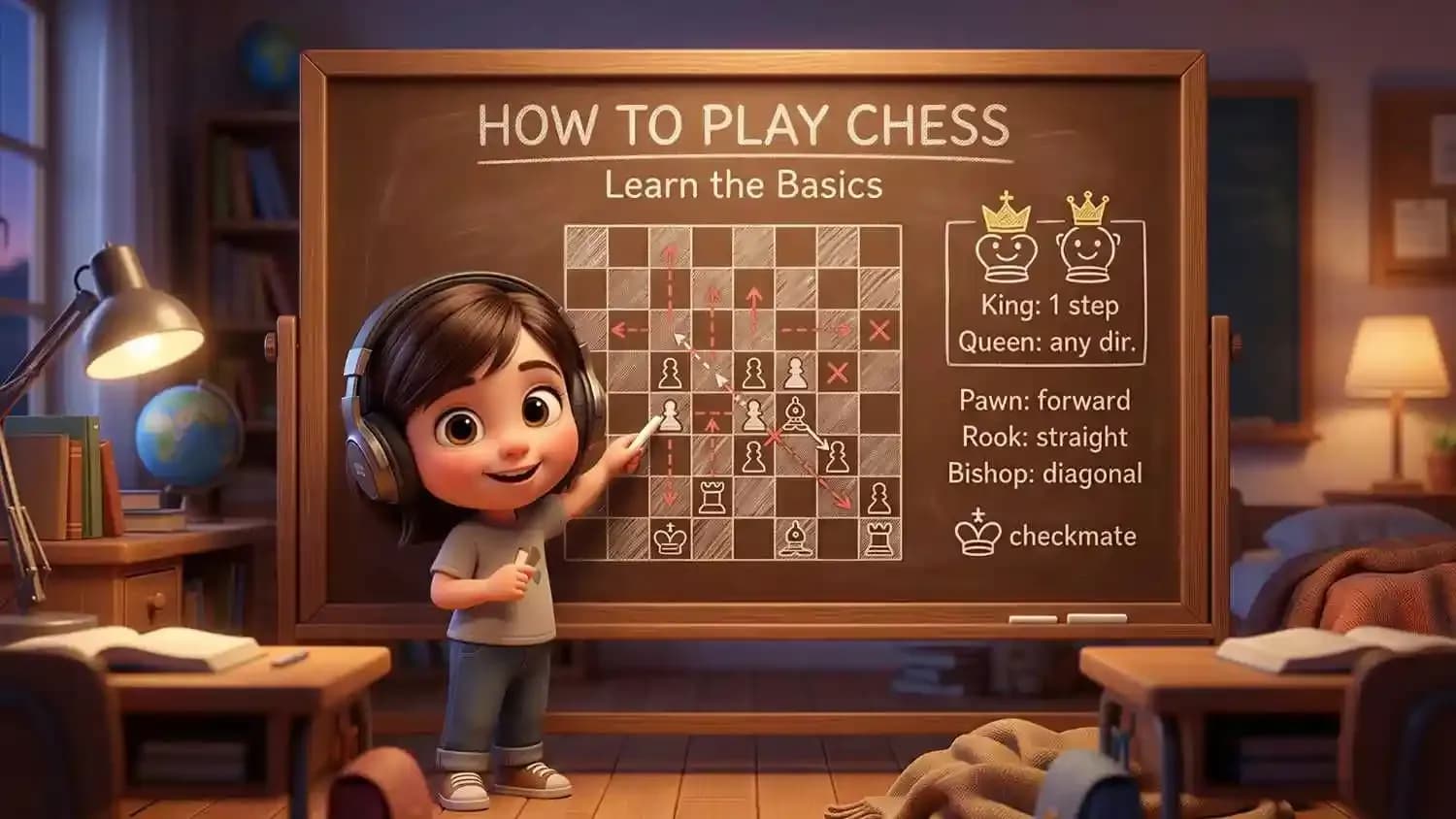
How to Play Chess: Easy Rules & Beginner Tips
How to play chess explained simply with board setup, piece rules, checkmate basics, and beginner strategies. Follow this guide and start playing today.

Youngest Chess World Champion: Top 10 Youngest Champions in History
Only a handful of players have ever claimed the title of youngest chess world champion, and the record keeps getting shattered. From Gukesh Dommaraju's historic 2024 win at just 18 to Kasparov's 40-year reign atop the record books, here's the full ranked list, timeline, and the rising prodigies who could break it next.
Chess Notation Explained: A Complete Guide to Reading and Writing Algebraic Notation
Master chess notation with our complete guide covering algebraic symbols, board coordinates, special moves and annotations. Start reading games today!

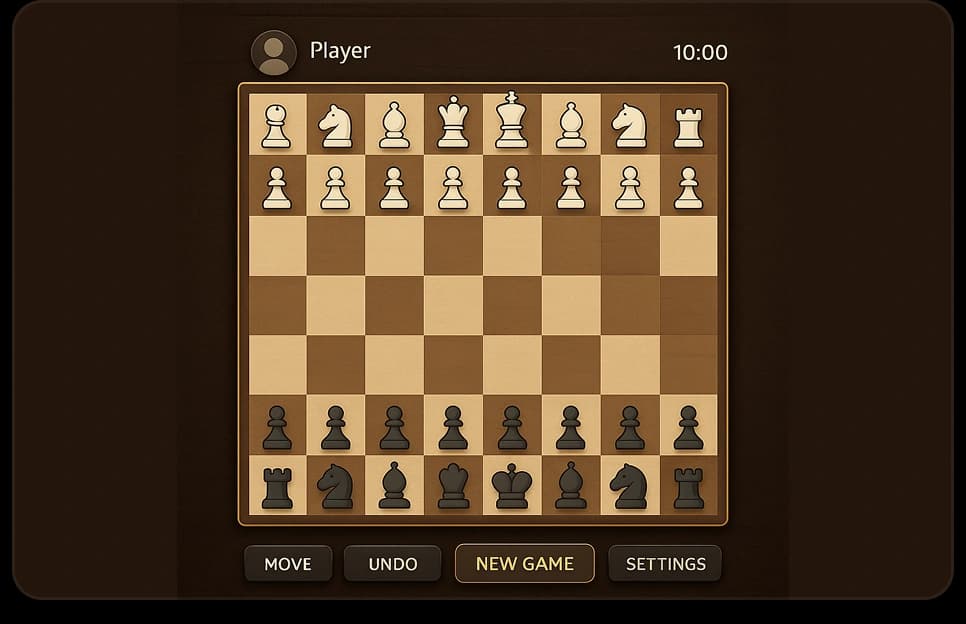
How Chess Pieces Move is the first question every beginner asks when they wish to learn how to play chess, and in our guide, we will surely instruct every minute detail about chess, through which you can totally understand the concept and foundation of it.
The guide will have all the chess pieces' moves sorted out and will show the guide how to learn better.
Table of contents
Basics of Chess Piece Movement
Each player starts with 16 chess pieces: 1 king, 1 queen, 2 rooks, 2 bishops, 2 knights, and 8 pawns. "Movement" means shifting a piece to a legal square per its rules, capturing opponents by landing on their square.
Key concepts include ranks (1-8 rows), files (a-h columns), diagonals (slanted lines), and avoiding illegal moves like jumping blocked paths (except knights). Knowing how many squares are there on a chessboard, 204 in total across all sizes, not just the 64 individual cells, sharpens how you think about space and piece range. Legal moves never expose your king to capture, called "check." Understanding these builds all chess strategy from openings to endgames.
Understanding these basics also helps answer beginner questions such as which chess piece moves diagonally, how pieces control squares, and why movement rules shape chess strategy.
How Does Each Chess Piece Move?
Every chess piece moves differently on the chessboard, and any player should know how to use them by learning some new chess opening moves.
1. The King — Most Important Piece

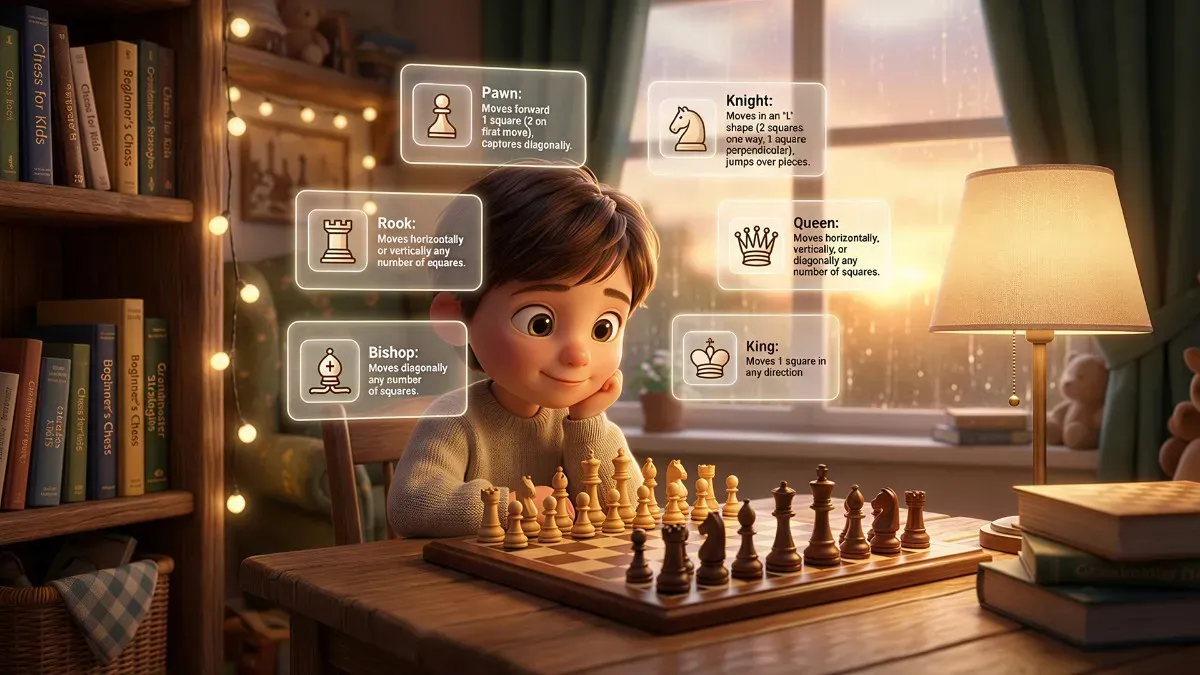
The king moves one square in any direction: forward, backward, sideways, or diagonally. It cannot enter check when an opponent attacks it. Special move: castling (with rook) for safety. Beginners often chase enemy kings into their own traps or forget king activity in endgames.
2. The Queen — Most Powerful Piece

The queen glides any number of squares horizontally, vertically, or diagonally, combining rook and bishop power. Unblocked, it dominates the board's center and attacks from afar. Beginners spot her in forks (attacking two pieces) or pins (freezing foes).
3. The Rook — Straight-Line Power

Rooks move any squares horizontally or vertically, like castle towers sliding along walls. They enable castling (the king slides two squares toward the rook). Rooks shine in endgames on open files, coordinating for checks and captures.
4. The Bishop — Diagonal Specialist

Bishops travel any diagonal squares, staying on light or dark colors forever, one per color per side. They excel in long-range sniping across open boards. Pair bishops for unstoppable diagonals; beginners undervalue their fianchetto setups.
5. The Knight — Unique “L-Shaped” Movement

Knights form an "L": two squares one way, one perpendicular (or vice versa), jumping over pieces, the only leaper. They control opposite-color squares, creating forks (hitting two targets). Example: from b1 to c3 or a4, forking the king and rook. The knight in chess is the only piece that can jump over other pieces on the board.
6. The Pawn — The Most Complex Piece

Pawns advance forward one square (two on the first move), capturing diagonally forward only. Special rules: en passant (side capture of over-advanced pawn) and promotion (reaching last rank, usually to queen). Pawns form chains, block foes, and dictate game structure by having great pawn structure.
This complexity becomes even more noticeable when comparing chess vs checkers, where piece movement is far more limited and follows simpler rules.
Special Chess Moves Every Beginner Must Know
There are special chess board set up you should know, like castling, En Passant, and Pawn Promotion.
Castling
Slide the king two squares toward the rook (short: kingside; long: queenside), the rook jumps over, and both must be safe, unmoved, no pieces between. Protects the king, activates the rook. Cannot castle in/out of/through check.
En Passant
If the opponent's pawn advances two squares beside yours, capture it as if it moved one (immediately only). Rare but crucial for pawn structure.
Pawn Promotion
Pawns on the opponent's back rank become a queen (or other), resetting the board's power. Underpromotion is rare but tactical. It’s also important to know that while pawns are powerful, rules clarify questions like can a pawn capture a king or if such moves are even allowed in real gameplay.
How Chess Pieces Move Together
You need to have a Chess Study Plan to make Pieces coordinate: knights/bishops develop early for center control, rooks to open files, and the queen supports attacks. Principles: develop minors first, castle soon, avoid pawn walls. Moves alone lose; purpose wins via harmony.
Common Beginner Mistakes and How to Avoid Them
Pushing only center pawns blocks development, mix piece moves. Common Beginner Mistakes: Avoid early queen sorties (easy targets). Guard the king pre-castle. Trade wisely, not equally if ahead. Develop knights/bishops before rooks.
How to Practice Chess Piece Movements
Use Lichess and Chess.com trainers for drag-drop drills. Solve puzzles targeting knight forks or bishop paths. Apps like Chessable repeat moves. Set up physical boards for visualization.
Final Thoughts: Master Chess by Learning How Each Piece Moves
Grasp king safety, queen range, knight jumps, and pawn quirks to play confidently. Consistent practice turns rules into instincts for wins. Start simple, build a strategy, and read chess books for beginners, which have so many things about chess.
How chess pieces move is one of the foundations, and as we saw all the basic moves and information about each piece, you can now play the chess game, and as time passes while you play it daily, you will surely be one of the best players.
FAQs
- Each chess piece has unique movement rules to learn first. King moves one square in any direction, queen any distance in lines or diagonals, rooks straight horizontally or vertically, bishops diagonally, knights in an L-shape jumping over pieces, and pawns forward one or two squares from the start.
- The queen can reach the most squares on an empty board. It combines rook and bishop powers to move any number of squares horizontally, vertically, or diagonally if unblocked.
- The queen is the strongest due to its vast range and versatility. It controls more board space than any other piece, making it worth about nine pawns in trades.
- Pawns advance straight forward one square, or two squares only on their first move. They capture diagonally forward one square to either side.
Types of Chess: Explore All Variants and How They're Played
Discover the different types of chess, including classical, rapid, blitz, and modern variants. Learn the rules, differences, and pick the best one to play today.
Castling in Chess: Rules, Long Castling & How to Castle
Castling in chess is a special move that allows the king and rook to move at the same time, helping protect the king and activate the rook for better board control.
How to Play Chess: Easy Rules & Beginner Tips
How to play chess explained simply with board setup, piece rules, checkmate basics, and beginner strategies. Follow this guide and start playing today.
Youngest Chess World Champion: Top 10 Youngest Champions in History
Only a handful of players have ever claimed the title of youngest chess world champion, and the record keeps getting shattered. From Gukesh Dommaraju's historic 2024 win at just 18 to Kasparov's 40-year reign atop the record books, here's the full ranked list, timeline, and the rising prodigies who could break it next.
Chess Notation Explained: A Complete Guide to Reading and Writing Algebraic Notation
Master chess notation with our complete guide covering algebraic symbols, board coordinates, special moves and annotations. Start reading games today!