How to Checkmate Queen and King - Full Guide to Checkmate Beginners

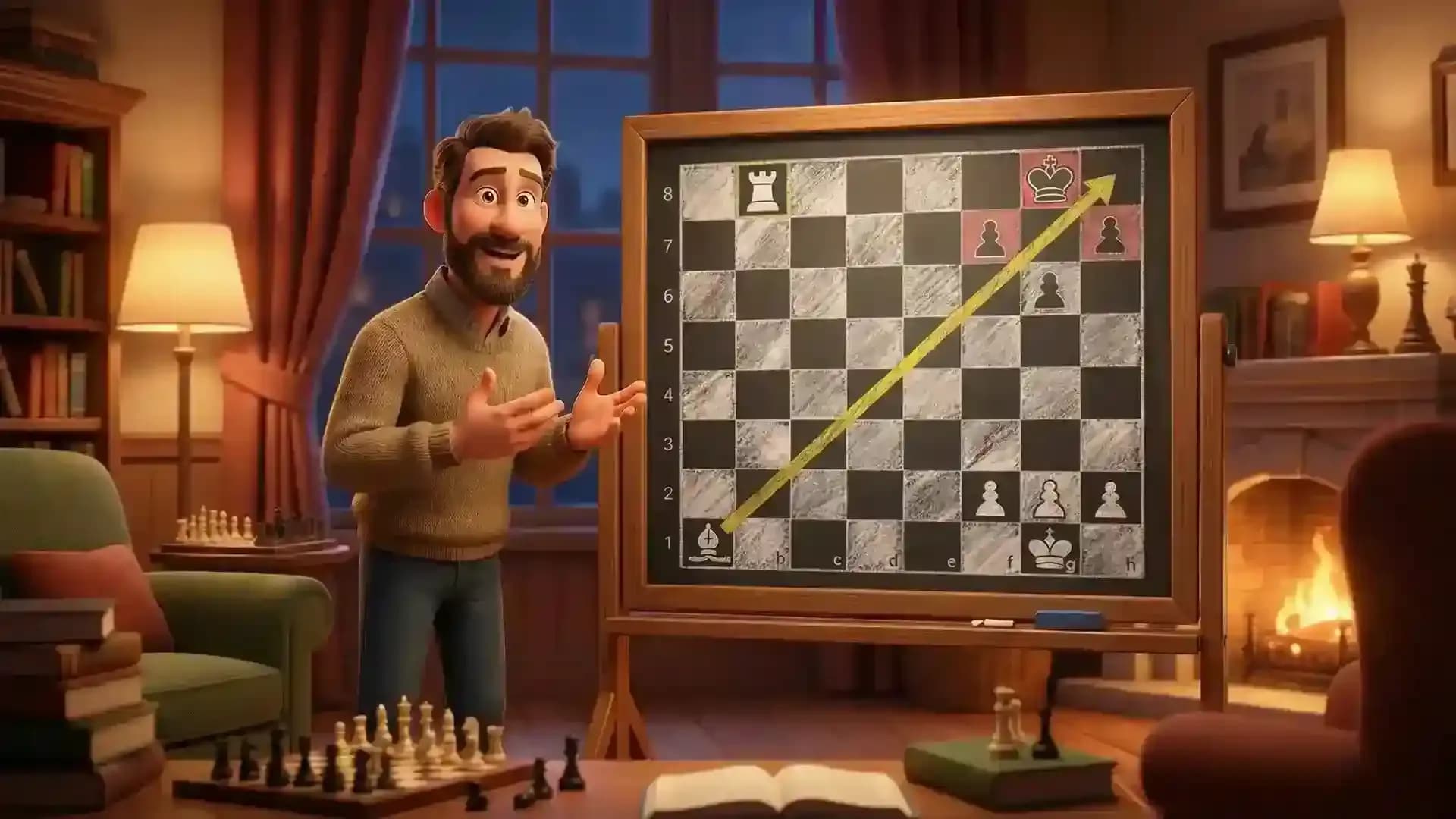
Back Rank Mate: How to Spot and Win Instantly
What is a Back Rank Mate? Learn the key patterns, common traps, and simple strategies to deliver this classic checkmate and win more games today.
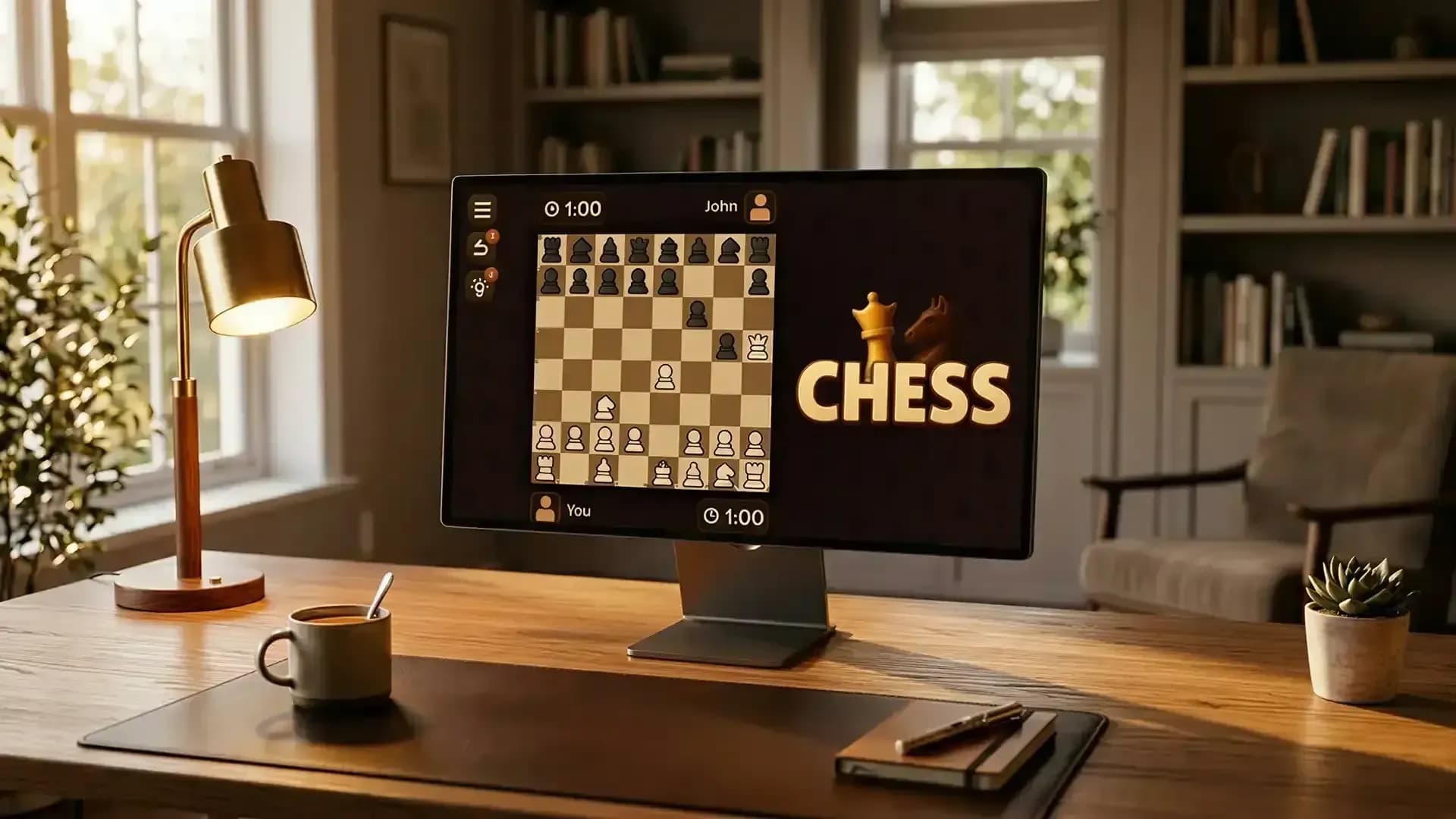
Fool's Mate: Fastest Checkmate in Chess Explained
Fool's Mate is the fastest checkmate in chess. Discover how the 2-move mate works, why it happens, and simple ways to avoid it. Learn the pattern and improve your chess.
What Is Zugzwang in Chess? Meaning, Examples & How to Use It to Win
Ever been forced to make a losing move? That’s zugzwang. Learn how it works, see examples, and use it to dominate your opponent.

Can a King Checkmate a King? (Full Chess Rule Explained)
Can a King checkmate a King in chess? Discover the real rule, expert insights, and examples—click to master this key concept in chess strategy!

The 7 Fastest checkmate Moves Every Beginners must know
Discover the fastest checkmate strategies to win chess games quickly. Master quick tactics and impress your opponents—start learning now!

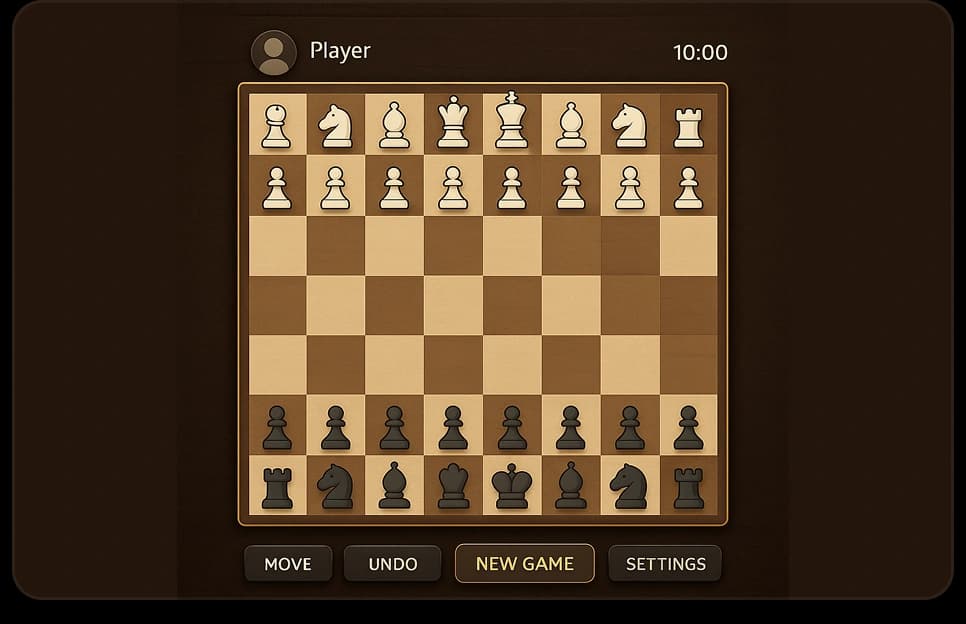
Learning how to checkmate with Queen and King is a must-have endgame skill for any chess player. It is a basic method that will show you how to move your pieces effectively and finish games with ease.
The King and Queen checkmate is where the queen and the king, who defends it, surround the opponent with just the king, and usually pushes the opponent to the edge of the board and consequently checks him/her. You can practice this strategy while playing chess online.
Table of contents
Learning the Checkmate with Queen and King

The most important goal of this endgame is to limit the movement of the opposing king and slowly push it to an angle or towards the board boundaries. The strength of the queen and the ability to exert your control over a long distance with the support of your king make this a good checkmate pattern.
This ability also supports numerous defensive and offensive chess tactics, such as openings such as Benoni Defence and Pirc Defense, where patience and positional play are also very important.
Step by Step - Queen and King Checkmate

Step 1 - Concentrate Your King and Queen
The freedom of your king and queen is essential. Placing your queen at the center of the field is to manage her, and having your king close by will help you defend your queen and limit the actions of the enemy king.
Such an idea of space and piece harmony control is reminiscent of the principles of classical openings, such as the Four Knights Game, in which the principles of symmetrical development and cooperation of pieces prevail.
Step 2 - Kill the King of the Opponent.
Get your queen to take away escape, and restrict the choice of the enemy king, just as your control of key squares in more dynamic black openings like the Benoni variations. This way of dominating ranks, files, or diagonals is similar to most contemporary chess defenses in which position and piece action are more important than immediate captures.
Step 3 - Box the King In
Establish a smaller "box" of permitted moves by the enemy king by bringing your queen slowly nearer every move. This defensive strategy can be likened to incremental chess tactics where you gradually limit the movement of your opponent, no matter which defensive chess strategy you are using, either the Sicilian Defense or another, less well-known defense, such as that of Owen.
Step 4 - Bring Your King Closer
It is significant to have your king involved to prevent a stalemate and have your queen supported in the last attack. It is an important concept of piece synergy regardless of whether you are playing in hypermodern defense, such as Modern Defense, or classical defenses that focus on strong pawn structures and support.
Deliver Checkmate on the Edge or Corner
This is a step involving delivering a Checkmate on an Edge or a Corner. Whenever the king in opposition is at bay on the edge or corner of the board, your king and queen give the final decisive checkmate. This type of controlled finishing play indicates the significance of accuracy, which is found in every great game of chess and repertoires of openings.
King Checkmate Queen vs King Checkmate Example

A straightforward sequence could be:
- Qd4 – Queen restricts the opponent's king.
- The opponent king moves toward the edge.
- Ke5 – Your king advances.
- Continue boxing the king to the edge.
- Qg7# – Checkmate.
This step-by-step illustrates the fundamental technique that even players exploring chess openings for black against d4 or seeking strong defensive openings for black can appreciate.
Related Checkmates to Learn Next
When you feel at ease here, consider adding your capabilities to:
- How to checkmate using the rook and the king.
- The checkmate with the knight and the bishop.
- How to Checkmate Using the Queen and the Bishop.
Such techniques bring to play more intricate strategic concepts and match different defensive strategies, such as the Pirc Defense or Benoni Defense chess strategy.
Conclusion
Learning to checkmate using the Queen and King will give you confidence and knowledge of the coordination of pieces that help you win a chess game. You can practice this checkmate on online platforms such as Chess.game or Chess.com, or in grandmaster games.
Add this information with the understanding of the common black chess openings, such as the Benoni variations or Modern Defense, and you will have a solid base not only in the opening but also in the endgame. You can also use some of he fastest checkmate moves to defeat your opponent instead of taking the game to the end point where only your king or queen is left.
The guide combines basic endgame techniques with allusions to popular and defensive openings and presents some major concepts in chess improvement. It is best suited to people who want to know how to play check with a queen and a king, and be able to see the bigger picture of chess openings and defenses.
This guide may also be used to present the best black chess openings and popular defenses in future classes in order to enhance your overall chess approach and skill.
FAQs
- No, the queen must have the assistance of the king since the lone queen cannot set a trap for the rival king alone.
- Less than 10 moves are usually efficient, but it is also influenced by the opposition, the manner in which he plays, and the situation.
- Queen to the centre, limit the opponent king, move your own king into position, and with a check at the end of the board.
Back Rank Mate: How to Spot and Win Instantly
What is a Back Rank Mate? Learn the key patterns, common traps, and simple strategies to deliver this classic checkmate and win more games today.
Fool's Mate: Fastest Checkmate in Chess Explained
Fool's Mate is the fastest checkmate in chess. Discover how the 2-move mate works, why it happens, and simple ways to avoid it. Learn the pattern and improve your chess.
What Is Zugzwang in Chess? Meaning, Examples & How to Use It to Win
Ever been forced to make a losing move? That’s zugzwang. Learn how it works, see examples, and use it to dominate your opponent.
Can a King Checkmate a King? (Full Chess Rule Explained)
Can a King checkmate a King in chess? Discover the real rule, expert insights, and examples—click to master this key concept in chess strategy!
The 7 Fastest checkmate Moves Every Beginners must know
Discover the fastest checkmate strategies to win chess games quickly. Master quick tactics and impress your opponents—start learning now!