10 Common Chess Mistakes Beginners Always Make


Types of Chess: Explore All Variants and How They're Played
Discover the different types of chess, including classical, rapid, blitz, and modern variants. Learn the rules, differences, and pick the best one to play today.
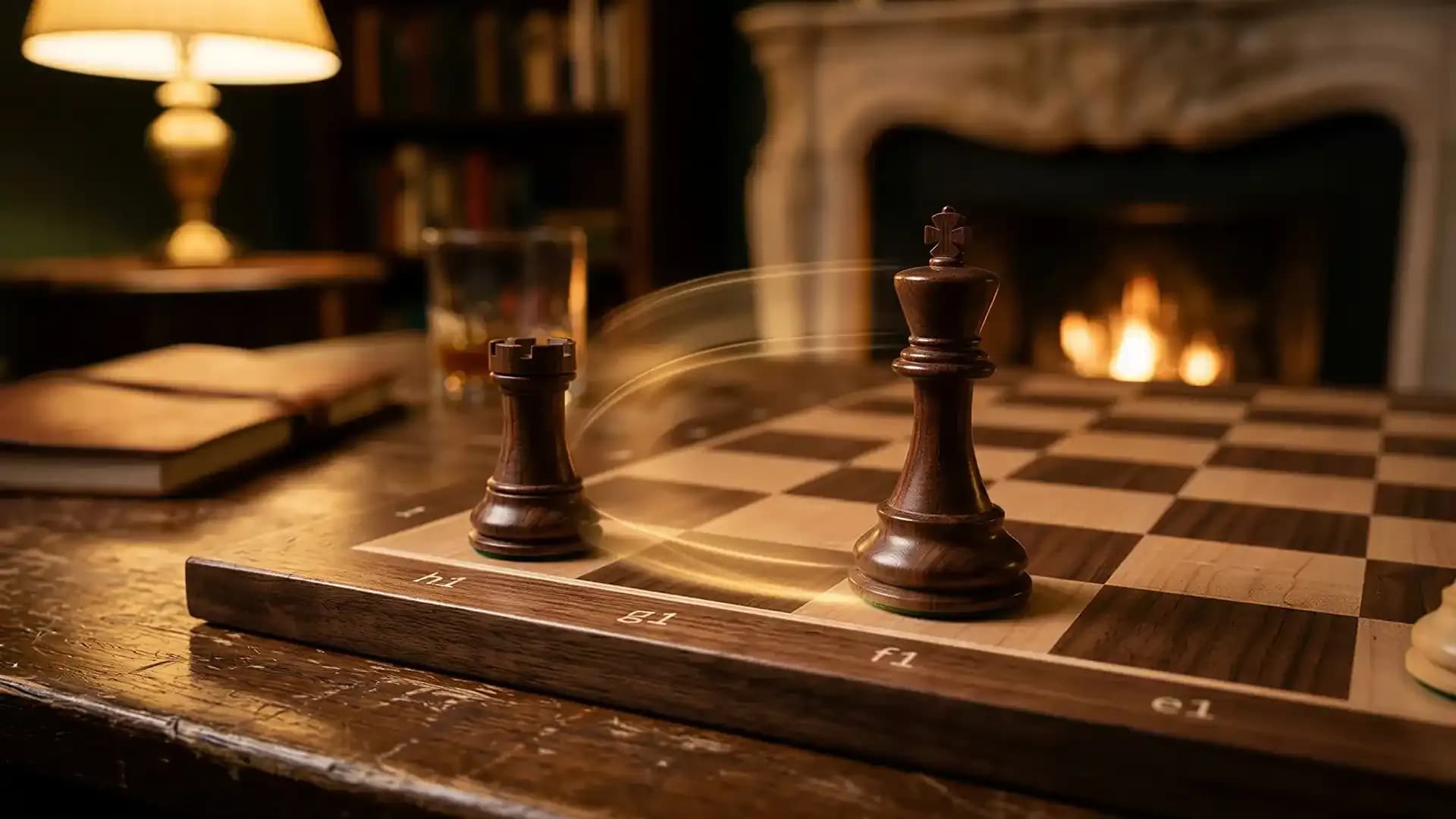
Castling in Chess: Rules, Long Castling & How to Castle
Castling in chess is a special move that allows the king and rook to move at the same time, helping protect the king and activate the rook for better board control.
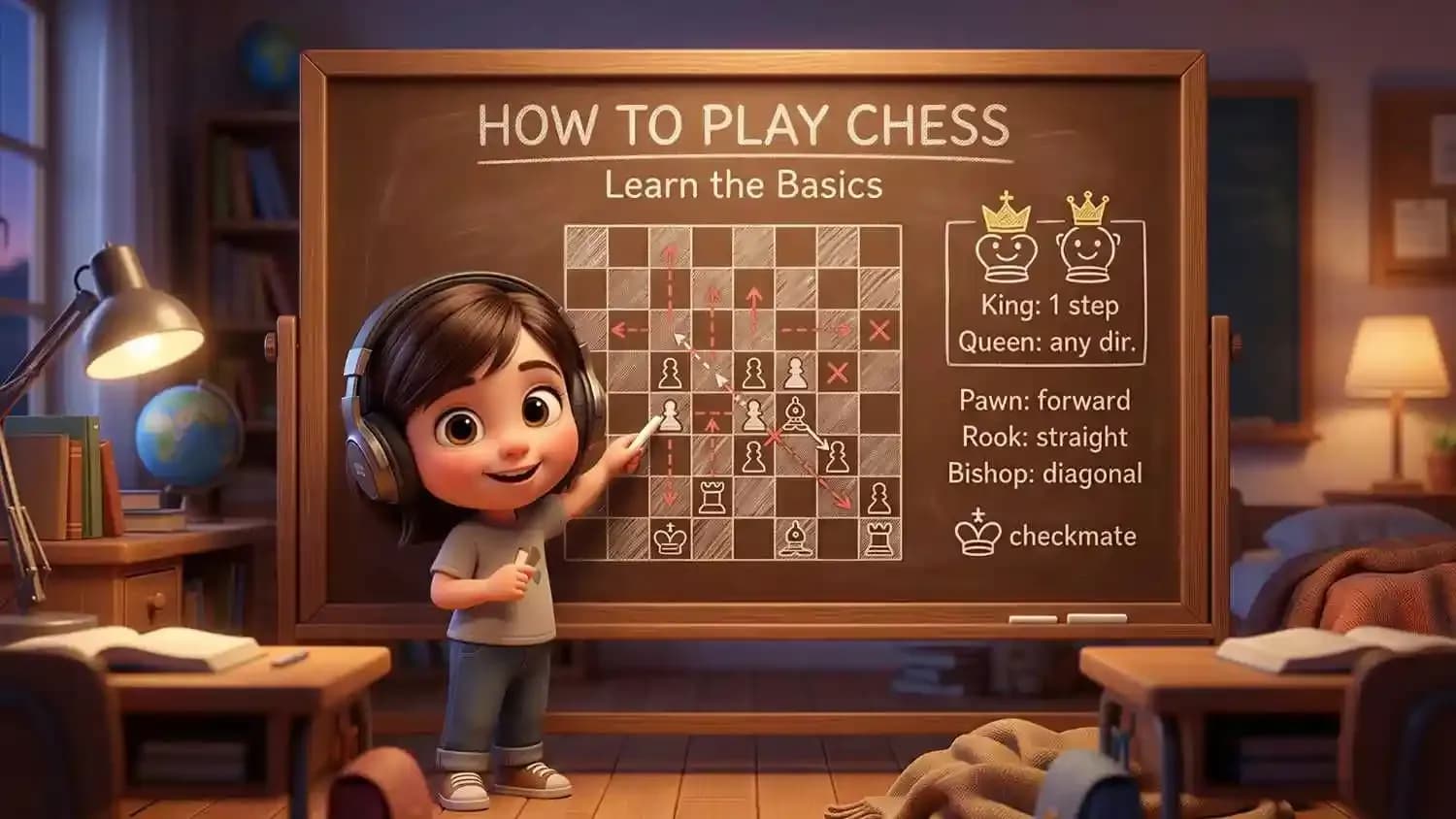
How to Play Chess: Easy Rules & Beginner Tips
How to play chess explained simply with board setup, piece rules, checkmate basics, and beginner strategies. Follow this guide and start playing today.

Youngest Chess World Champion: Top 10 Youngest Champions in History
Only a handful of players have ever claimed the title of youngest chess world champion, and the record keeps getting shattered. From Gukesh Dommaraju's historic 2024 win at just 18 to Kasparov's 40-year reign atop the record books, here's the full ranked list, timeline, and the rising prodigies who could break it next.
Chess Notation Explained: A Complete Guide to Reading and Writing Algebraic Notation
Master chess notation with our complete guide covering algebraic symbols, board coordinates, special moves and annotations. Start reading games today!

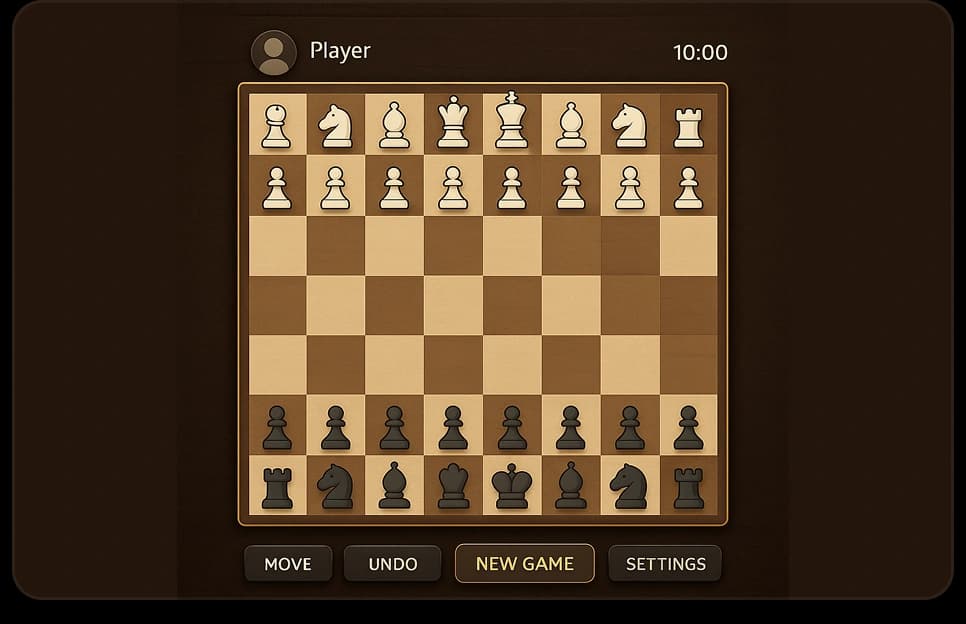
When it comes to stepping into the world of chess, it’s very common and easy to fall into patterns that hinder growth without even realizing it. Many mistakes by beginner in chess starts from a lack of understanding of core principles, like development, timing, chess openings along with awareness.
These missteps not only lead to lost games, but it cause a slowdown in improvement. However, recognizing and avoiding common errors early on could significantly fast-track your progress while sharpening your strategy.
In this blog, we’ll break down the top 10 mistakes that all beginners surely make, starting with errors in the opening phase, one of the most critical stages of the chess game.
Table of contents
List of Top 10 Most Common Beginner Chess Mistakes to Avoid
1. Overemphasis on Pawn Moves in the Opening
One of the most common beginner chess mistakes is making too many moves at the start of the game. While advancing pawns can control the center, excessive pawn activity delays the development of your key pieces, knights, and bishops.
This makes your positions weak and can leave you vulnerable to fast attacks. The goal in the opening is to get control of the center and develop pieces efficiently.
A good rule of thumb: Limit early pawn moves to 2-3 while focusing on mobilizing the army.
Read our guide on: Worst Openings to Avoid in Chess to be a better player!
2. Early Queen Move

It’s another beginner chess mistake seen among beginners that they bring the queen out too early. This exposes the queen to attack from minor pieces, often leading to wasted moves and lost tempo.
It’s essential and wise to hold back your queen until your knights, along with bishops, are developed and the king is safely castled. Proper queen development comes after securing control of the center and connecting your rooks, a key concept to remember when avoiding chess blunder.
3. Neglecting King Safety and Delayed Castling

Keeping the king in the center for too long is a classic chess blunder that many beginners make. Your king becomes an easy target without castling in chess, especially as more pieces come into play.
Early castling is vital; it not only secures your king behind a wall of pawns but also activates survival and is one of the most crucial beginner mistakes in order to overcome early in your learning journey.
4. Ignoring Opponent’s Threats

When starting out, beginners may concentrate so much on their own actions that they neglect to notice what the opponent is doing. When executives have tunnel vision, it may result in failing to see risks, errors, or tricky strategies.
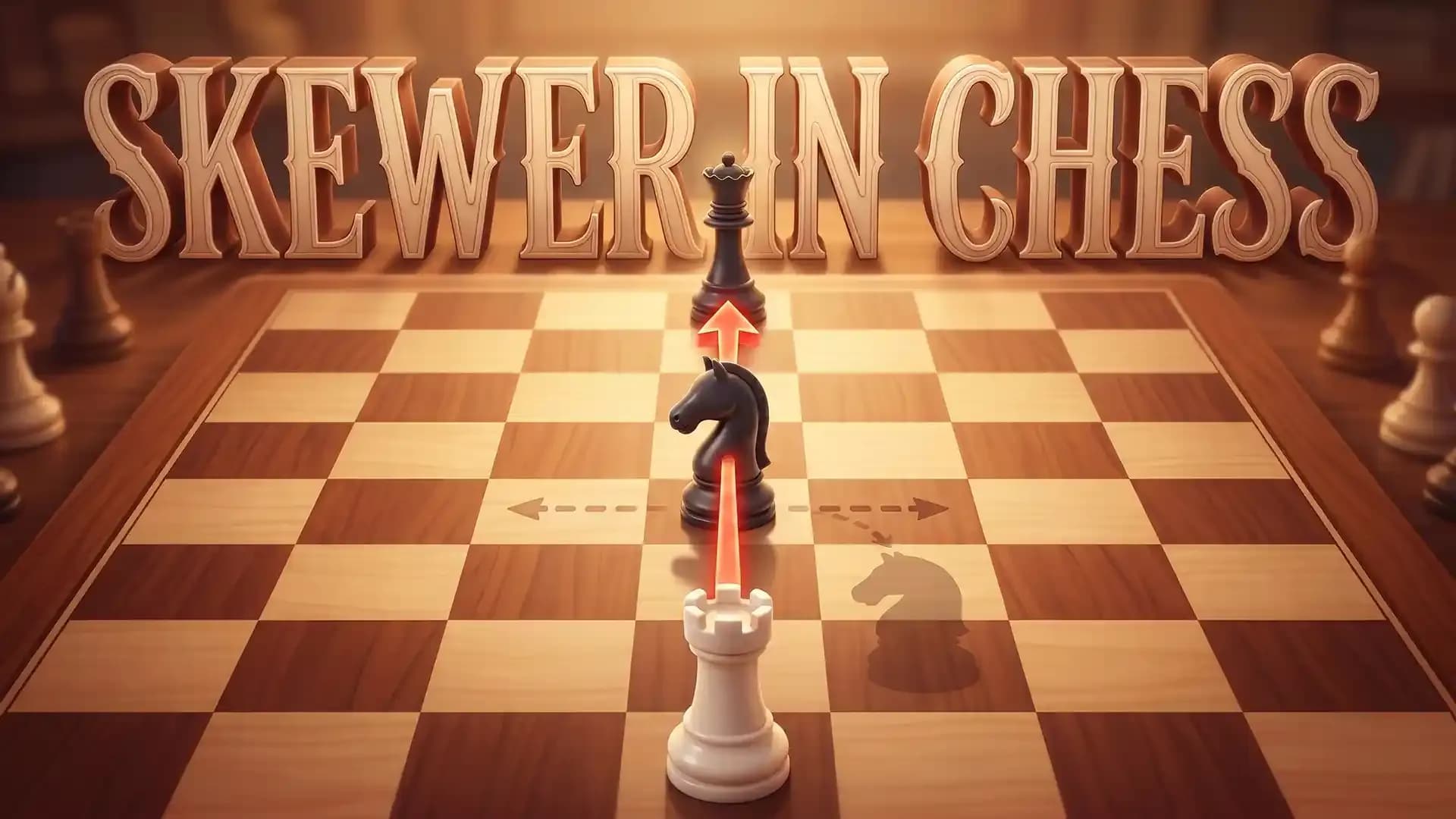
As a beginner, you should remember to always consider what threat your opponent just made with their previous move. Keeping an eye on your opponent’s plans will increase your ability to act successfully in situations. Missing tactical threats like a skewer chess move can cost you a piece before you even realize what happened.
5. Repetitive Movement of the Same Piece

Inexperienced players often move the same piece several times in the first part of the game without good reason. This delays your progress and puts your rival ahead in terms of working fast.
Often, beginners do not know how to properly use all of their chess pieces at once. Rather, try to place your pieces on the most active squares and finish developing before going on the attack.
6. Unnecessary or Unfavorable Trades

Exchanging chess pieces is not necessarily aggressive, but it always affects the situation. Initially, many do not look at whether trading is beneficial for them in the long or short run
Avoid taking pieces that move little and trading them for ones that can cause damage to your army. Stick to trading only if it makes your position better, makes a winning game easier, or helps you counter your opponent’s benefit.
7. Playing "Hope Chess" Without Concentrated Plans

Hope chess describes a way of playing by hoping your opponent misses something, as opposed to using careful thought. This error is damaging for beginners since it causes mistakes and missed opportunities in the game.
Every move you take should be guided by smart thinking, keeping safety in mind, and your strategies. Try to look at the situation from your opponent’s point of view before deciding what to do next.
8. Overlooking Endgame Fundamentals

A lot of people who are new to chess focus only on the way they start and stop the game. Yet, knowing how to bring a game to a conclusion in your favor or settle a tough position is very important
Sometimes, not having your king show up, not leading pawns well, or missing obvious mates can be enough to cause you to lose. Understanding the basics of endgames like opposition, king and pawn endings, as well as those using a rook, can help you far more than others who make the same beginner chess mistakes.
9. Mismanaging Time and Rushing Moves

When a player’s time is not well managed, they tend to make impulsive choices, whether in a short game or a long match. Many new players either take too long to decide what to do or rush when the positions are complicated.
When you are unsure, take more time, but if your position is good, play faster. By clocking well, you’ll improve your performance and do fewer things that waste time.
10. Neglecting Post-Game Analysis

One of the most overlooked habits among beginners is skipping the post-game review. After a game ends, the real learning begins. Analyzing your own games — win or lose — helps identify patterns, recurring errors, and areas to improve.
Tools on platforms like Chess.com or Lichess can help you detect blunders and suggest better moves. Reviewing games is essential to breaking the cycle of beginner chess mistakes and leveling up your skill.
How to Practice Avoiding These Beginner Chess Mistakes?
- Use Tactics Trainers Daily: Playing against tactics trainers on Chess.com and Lichess helps you improve your awareness of threats and opportunities. They help you recognize common tactical patterns like pins, skewers, and forks in chess, improving your ability to spot double attacks quickly.
- Play Themed Mini-Games: Try short games that focus on one tactical point, such as casting a king or playing only with knights and bishops. They help to develop good habits, teach discipline and ensure safety and coordination.
- Try Blunder Checkers: Blunder checkers highlight what a player did wrong and give advice on how they could have played better. These steps are ideal for new players to get insight into a mistake and learn from it for future matches.
- Practice Endgame Drills: Emphasize the basics of two king and rook endgames, king and pawn versus king, etc. Lichess allows you to train on essential positions, supporting you to play well until the end.
Read the best books to learn chess to clear all the basic and stay away from the blunders or mistakes.
How to Learn from this Beginner Chess Mistake?
It is important to watch your games and pinpoint some of the basic mistakes most beginner chess players make. Once you lose, stop to assess your moves, watch for problems in your approach, and try to see where you faltered in position.
What Grandmasters Say About These Mistakes
Magnus Carlsen

According to Magnus Carlsen, the best way to grow at chess is to play chess games frequently. Whether the game is against a human or a computer, he enjoys both styles. Carlsen also suggests learning more about chess by reading literature on the subject. For players interested in studying his style, exploring the Magnus Carlsen opening is a great way to understand how he builds strong positions right from the start.
Understanding the queen versus king pattern gives you confidence at the end of the game. You can learn from classic games at any time. His advice is mainly to appreciate every moment with chess, whether you’re studying, playing, or solving puzzles, as it will benefit you for a lifetime.
Judit Polgar

Judit Polgar encourages everyone to learn from all their errors, even the slightest ones. She helps people identify what is not a great play, respond when their opponent makes an error, and control their interactions with opponents.
She has discovered through her personal experience that losing and drawing are great chances to learn. Polgar recommends adjusting to the direction of the game, assessing positions well, and avoiding blindly believing the suggestions from your computer. Thanks to her strategy, players can use loss to become even stronger and improve their learning habits.
Beginner Mistakes vs. Intermediate Mistakes
Here are some of the major mistakes often made by beginners and intermediates:
Final Thoughts
Preventing beginner chess mistakes is important for you to play well and confidently as you grow. If you are aware of these usual mistakes, such as making a queen’s move too soon, failing to react to threats, or wasting a lot of your time, you will improve your strength and have more positive results in your games.
The most successful players use each mistake to learn, replay their games, and remain interested. Know that in chess, gaining skills involves stepping back, practicing often, and being patient. Don’t lose concentration, try to enjoy what you do, and learn every time you make a mistake. What you have learned today can guide your next step.
FAQs
- The most common chess mistakes beginners make include moving too many pawns early, bringing the queen out too soon, skipping castling, trading pieces without calculation, and ignoring threats. Fixing these beginner chess strategy mistakes early helps build strong fundamentals and avoid future blunders.
- Not castling is a huge chess mistake beginners should avoid because it leaves your king vulnerable. Castling early protects your king, connects your rooks, and improves your overall position. Always aim to castle within your first 10–12 moves.
- Yes! Moving your queen too early is one of the most common chess mistakes beginners make. It wastes time and makes your queen an easy target. Develop knights and bishops first, castle, then bring the queen out when the position is safe.
- To avoid beginner chess mistakes, slow down your play, review every game, and practice puzzles daily. Before every move, ask: “What is my opponent threatening?” This habit alone can stop 80% of blunders.
- Skipping endgame study is a beginner chess strategy mistake. Endgames teach control, calculation, and precision. Start with king and pawn endings, rook checkmates, and opposition. Even basic endgame skills will help you beat other beginners.
Types of Chess: Explore All Variants and How They're Played
Discover the different types of chess, including classical, rapid, blitz, and modern variants. Learn the rules, differences, and pick the best one to play today.
Castling in Chess: Rules, Long Castling & How to Castle
Castling in chess is a special move that allows the king and rook to move at the same time, helping protect the king and activate the rook for better board control.
How to Play Chess: Easy Rules & Beginner Tips
How to play chess explained simply with board setup, piece rules, checkmate basics, and beginner strategies. Follow this guide and start playing today.
Youngest Chess World Champion: Top 10 Youngest Champions in History
Only a handful of players have ever claimed the title of youngest chess world champion, and the record keeps getting shattered. From Gukesh Dommaraju's historic 2024 win at just 18 to Kasparov's 40-year reign atop the record books, here's the full ranked list, timeline, and the rising prodigies who could break it next.
Chess Notation Explained: A Complete Guide to Reading and Writing Algebraic Notation
Master chess notation with our complete guide covering algebraic symbols, board coordinates, special moves and annotations. Start reading games today!