


How to Become a Chess Grandmaster: A Complete Guide to Follow

Top 11 Female Chess Grandmasters: Complete List of Women GMs (2026)
Discover the top 11 women chess grandmasters who transformed the game with brilliance, strategy, and historic achievements. Explore their stories and get inspired today!
Chess Grandmaster Salary: How Much Do Top Players Earn?
Find out how chess grandmasters earn through prize money, coaching, and brand deals—and what separates average earnings from elite levels.
How to Become a Chess Grandmaster: A Complete Guide to Follow
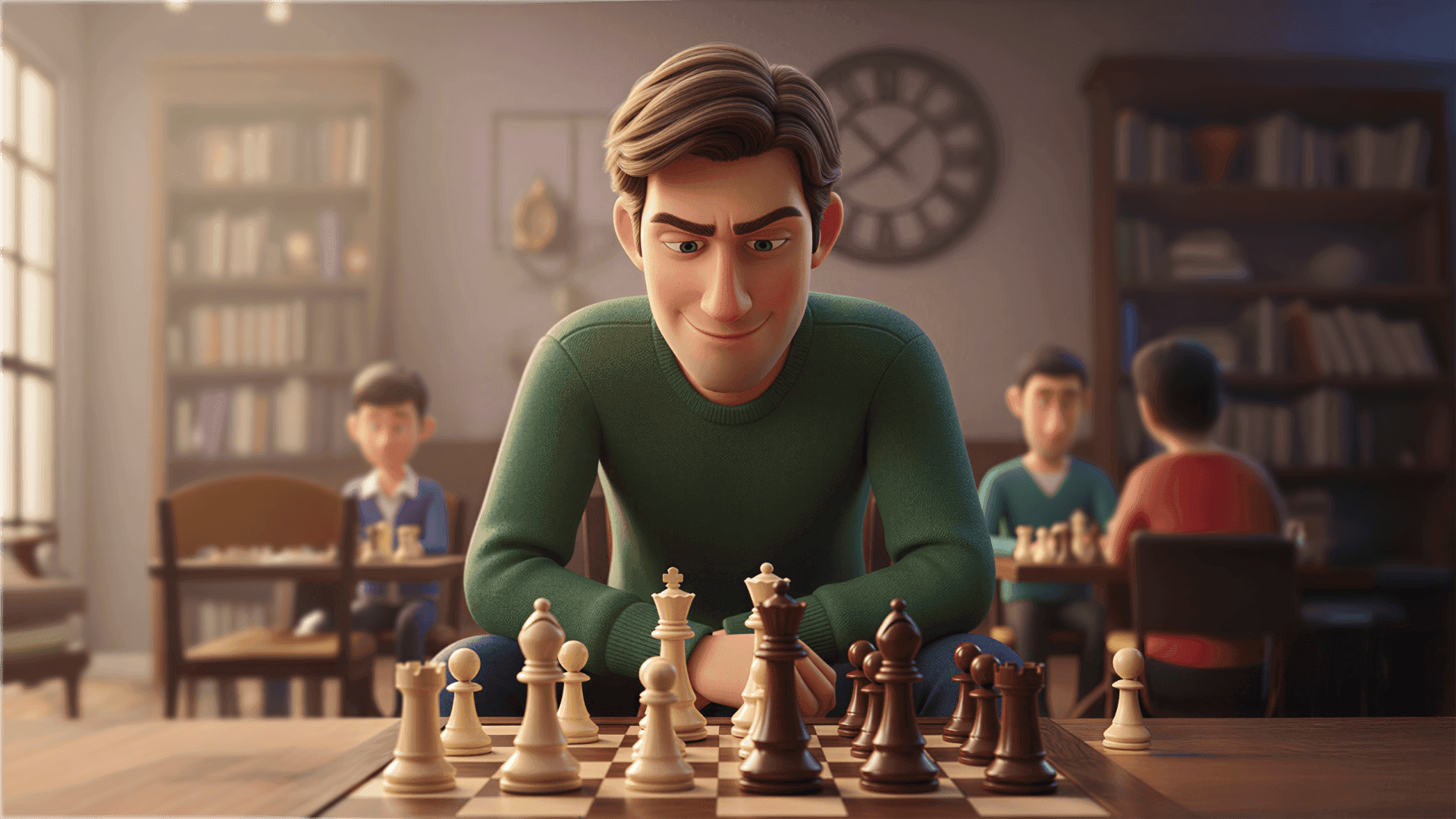
7 Grandmaster Chess Openings: Proven Strategies That Win
Explore the most effective grandmaster chess openings and learn key strategies, ideas, and move orders. Build a stronger repertoire and level up your play today.
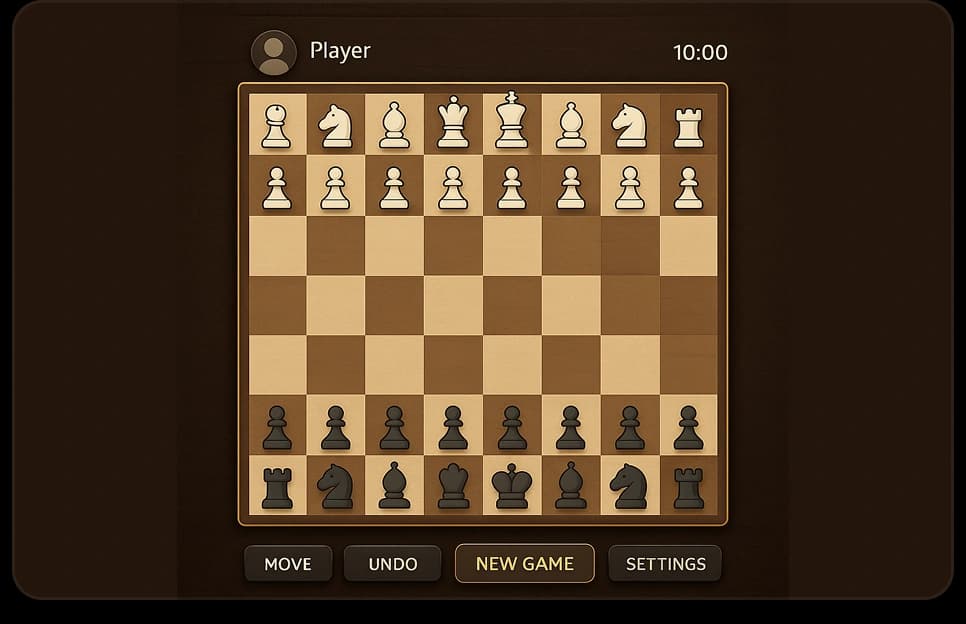
The highest prize in the chess world is to become a grandmaster. It is the highest reward of skill, ability, and consistency, attained by a handful of thousands of players worldwide, but if you are looking to know the path for how to become a chess grandmaster, then you are at the right place.
For many who play chess online for free, study chess openings, and explore both AI Chess vs Human Play, earning the GM title is a lifelong dream. But what is the way to get that far? What is the time it takes to be a chess grandmaster, and what are the obstacles to it?
Table of contents
- What Does It Mean to Be a Chess Grandmaster?
- How to become a Chess Grandmaster in 8 Simple Steps
- The Question of How many years can it take to become a Chess Grandmaster?
- How Difficult Is It to Become a Chess Grandmaster
- Suggestions on How to Make Rapid Progress
- The Pros of Becoming a Chess Grandmaster
- Some Modern Great Chess Grandmasters
- Summary and Key Takeaways
What Does It Mean to Be a Chess Grandmaster?

The highest rating given by FIDE, the world chess federation, is the Grandmaster (GM). An earned one is a lifetime award - the demonstration of profound knowledge, ingenuity, and practical prowess in competitive chess.
This is not a bought or requested title, as it is in most other games. You have to make it with good performance and regular excellence.
Requirements Overview
To become a chess grandmaster, one needs to:
- Achieve one point in your career with a FIDE rating of 2500 or higher.
- Win three GM standards in official championships with other titlers.
- Get confirmation and approval from FIDE.
It is a course of training, organization, and expertise - not pure talent. Many players also want to know how much chess grandmasters make once they earn the title — the earnings vary widely depending on tournaments, coaching, and sponsorships.
How to become a Chess Grandmaster in 8 Simple Steps

There are several steps to becoming a chess grandmaster, and to become one, you must follow these steps for sure.
Step 1 - Knowing the basics of chess.
Every GM starts with the basics, which include understanding how the pieces move, controlling the board, and identifying tactical motifs.
To improve your attacking sense early on, learn the fastest checkmate patterns, such as Fastest Checkmate strategies.
Step 2 - Build an Opening Repertoire.
After you have the basics, you can concentrate on chess opening strategies. Build a repertoire that is solid, tactical, and defensive, based on your style.
Step 3 - Strategic and Positional Play
Being able to think like a grandmaster requires not playing tactics but thinking positionally. Understand pawn formations, piece coordination, and long-term plans.
You get used to making pressure even when you are in quiet positions, and you will realize how great players like Gukesh or Magnus Carlsen can make out of the slightest advantage a win. You need to know your middle game strategy because that is one of the most important. It's no coincidence that Gukesh, who went on to become the youngest chess world champion, built his game on exactly this kind of quiet positional pressure.
Step 4 - Train with a Coach regularly.
Even the greatest players will require coaching. An experienced coach will assist you in finding your weaknesses, establishing a study routine, and opening depth.
The presence of structured feedback would provide a consistent improvement, especially on complex systems, such as the French Defense strategy or endgames.
Step 5 - Participate in Professional Tournaments.
Real life is superior to theory. Compete in FIDE-based tournaments to challenge yourself to good competition.
Step 6 - Earn the IM Title First
Most players are first promoted to International Master (IM) status before becoming Grandmasters. It is a good enough indication that you are very near to playing on an elite level or can play regularly.
Step 7 - GM Norms, 2500 Rating
Your GM experience is officially over when you:
- Achieve three Grandmaster norms in FIDE.
- Reach a 2500 rating at least once.
You will be able to play at the greatest level in the world thanks to these accomplishments.It might be a long journey, but every journey teaches us a lot about self-control and patience. It all starts with building a decent chess rating and working your way up through each competitive level.
Step 8 - Be disciplined and consistent
Grandmasters do not stop learning. They read daily, play and study games, and not only compete with human beings, but also with chess engines.
Modern tools like AI Chess vs Human Play simulations help players prepare for unique styles and unpredictable tactics.
The Question of How many years can it take to become a Chess Grandmaster?

Average Timeline
To earn this title, most players need to actively study, practice, and compete in tournaments for 8 to 15 years. As demonstrated by Gukesh, who attained the rank of Grandmaster at the age of 12, they are likely to accomplish more at a younger age because they begin early, practice consistently, and have a clear plan.
Real-World Examples
- At age 13, Magnus Carlsen was named so.
- It was attained by Gukesh D and Praggnanadhaa in their teens, just as several female Chess Grandmasters achieved the title at a young age.
- Some adult players later gain it through habitual preparation and cleverness.
How Difficult Is It to Become a Chess Grandmaster

It is quite difficult to become a chess Grandmaster, as you need to keep on playing and have a higher average IQ than any normal human being.
Level of Difficulty
It's incredibly challenging. Of all the chess players in the world, approximately out of 2000-2200 million, only 2200-2300 have ever become Grandmasters.
It takes years of training, practice, and playing under the pressure of the game, so it is one of the hardest chess openings to study in life itself.
Lack of mental and financial stability
Training, transportation, and entry fees for tournaments are costly. Mentally, the players need to be motivated even during the losses and rating declines. Many people don’t have the finances to hire a coach, but you can still read Magnus Carlsen's Chess Openings, which is free to read online.
Common Mistakes That Players Make in Progress
- Concentrating not on the middle-game, but on openings.
- Inadequate online blitz analysis.
- Neglecting endgames and training in strategies.
Making these mistakes will aid in accelerating development.
Suggestions on How to Make Rapid Progress

Daily Study Routine
The balanced plan assists you in getting better at a faster rate:
- 1 hour for tactics and puzzles
- 1 hour for opening the study
- 1 hour for game analysis
Play chess online with a coach or engine and test yourself playing chess against players of stronger strength to improve your game.
Learn from Grandmasters
Read good chess books for beginners and analyze annotated games to improve your understanding. The concepts of strategic ideas presented in books like My System or Bobby Fischer Teaches Chess convey timeless lessons.
Watching elite players demonstrate attacking chess openings can also sharpen your tactical vision.
Beyond books and live games, chess game movies and documentaries about real grandmasters like Fischer and Carlsen offer a rare window into the obsession, discipline, and mental fortitude that separates good players from the greatest.
Take part in Powerful Tournaments
Compete in domestic, national, and international competitions. Competition with more formidable rivals can also determine your weak points and help you gain strength.
The Pros of Becoming a Chess Grandmaster
Grandmasters are worshipped in every part of the world. They can coach, write books, stream games, or even represent their respective countries in international events. At the very top of this potential, Magnus Carlsen's net worth proves just how far those off-board opportunities can go when elite skill meets smart business decisions.
Chess helps build critical thinking, concentration, and patience. The life experiences acquired during this trip are useful in every sphere of life.
Some Modern Great Chess Grandmasters
We listed down a few great modern-day chess grandmasters you should get inspiration from.
| Grandmaster | Country | Peak FIDE Rating |
|---|---|---|
| Magnus Carlsen | Norway | 2882 |
| Viswanathan Anand | India | 2817 |
| Ding Liren | China | 2816 |
| Hikaru Nakamura | USA | 2816 |
| D. Gukesh | India | 2763 |
Summary and Key Takeaways
It is not a matter of memorizing moves but one of ideas, and this is what happens in the process of learning how to make one into a chess grandmaster. From mastering chess opening strategies to managing pawn formations, every lesson builds toward excellence.
Always be disciplined, continue to improve, and never forget: all Grandmasters began as amateurs who never gave up.
FAQs
- It is generally at the age of 8-15 years again, this is determined by the age of onset and the rate of training.
- It is not a compulsory title yet; the majority of the players acquired the IM (International Master) title before becoming GMs (Grand Masters).
- It is not a mandatory title, but most of the players obtained an IM (International Master) title prior to becoming GMs (Grand Masters).
- Adults may achieve the title through regular training, competitions, and with an excellent coach.
- The IM (International Master) is a title between GM (Grandmaster) and has a lower rating and performance conditions.
Top 11 Female Chess Grandmasters: Complete List of Women GMs (2026)
Discover the top 11 women chess grandmasters who transformed the game with brilliance, strategy, and historic achievements. Explore their stories and get inspired today!
Chess Grandmaster Salary: How Much Do Top Players Earn?
Find out how chess grandmasters earn through prize money, coaching, and brand deals—and what separates average earnings from elite levels.
How to Become a Chess Grandmaster: A Complete Guide to Follow
7 Grandmaster Chess Openings: Proven Strategies That Win
Explore the most effective grandmaster chess openings and learn key strategies, ideas, and move orders. Build a stronger repertoire and level up your play today.

