Magnus Carlsen Chess Openings: Favorite, White & Black Repertoire (2026)

Albin Counter Gambit: Sharp Chess Opening Guide
Explore the Albin Counter Gambit in depth with opening theory, positional ideas, critical variations, and practical advice for both White and Black. Learn the plans today.

Dutch Defense: Aggressive Ideas and Winning Plans
Master the Dutch Defense chess opening and learn how to win with 1…f5. Explore attacking plans, structures, and practical strategies now.

Queen’s Indian Defense: Theory, Ideas & Main Lines
Queen’s Indian Defense explained with simple ideas, common variations, and practical tips. Discover how to play this powerful chess opening for Black.

Baltic Defense: Aggressive Chess Opening Explained
Discover the Baltic Defense in chess with clear explanations, key plans, and tactical traps. Improve your opening play and surprise rivals today.

Chigorin Defense: Key Ideas, Theory & Traps
Learn the Chigorin Defense with key ideas, main lines, traps, and strategy tips. Discover how Black creates active play against 1.d4.

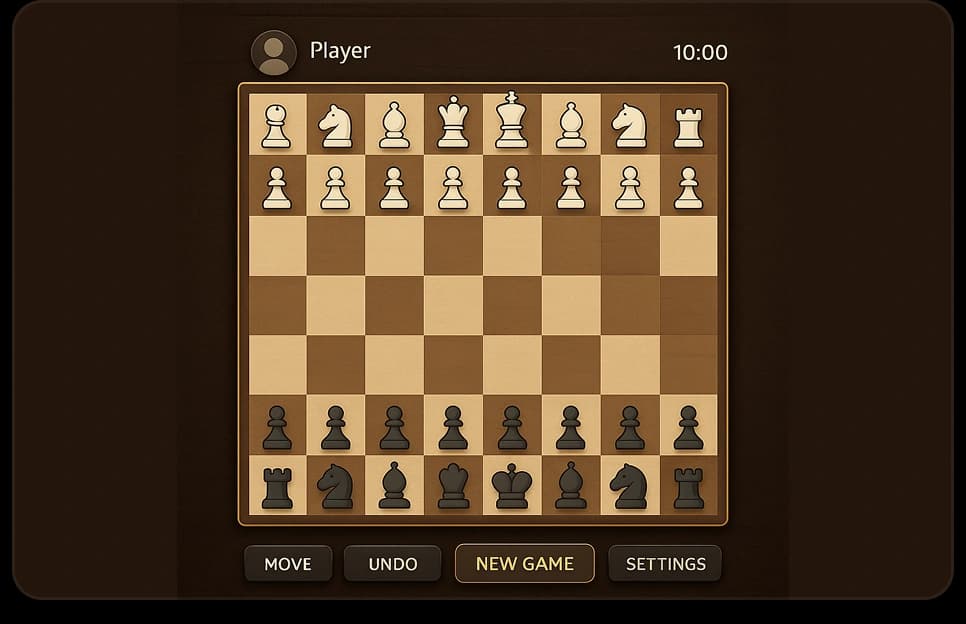
Magnus Carlsen, the Norwegian Grandmaster and 5-time World Chess Champion, is widely known as one of the most complete players in chess history. Known for his sharp endgame skills, deep positional understanding, and psychological flexibility, Carlsen also brings a unique approach to the opening phase, one that’s both flexible and unpredictable.
Instead of following popular, or even deeply memorized opening lines, Carlsen often chooses openings that are simple, surprising, and full of strategic ideas. He actually likes to guide the game into positions where he truly feels confident, even if the opening isn’t very common. So, this makes it tough for his opponents to be prepared. His skill at turning or equal positions into wins is one of the things that makes him truly special.
Whether it’s a slow positional buildup or even aggressive openings, Carlsen’s choices reflect not just preparation, but also deep understanding.
In this article, we’ll look at 9 key Magnus Carlsen chess openings that clearly show how he uses the first few moves to lay the foundation for victory.
Table of contents
What Makes Magnus Carlsen’s Opening Repertoire Unique?
Magnus Carlsen’s approach to openings is built on clarity, control along with adaptability. Instead of chasing the latest trends or even memorizing traps, he actually picks lines that lead to positions he understands deeply.
Carlsen builds pressure gradually, move by move, which makes him the top player. Ever wondered how do chess players make money at the highest level like Magnus Carlsen?
Magnus Carlsen Opening Repertoire
The following matrix breaks down how Carlsen approaches the board depending on his color, the opponent's setup, and his specific tournament goals.
| Situation | Opening | First Moves | Carlsen’s Goal |
|---|---|---|---|
| As White (e4) | Ruy Lopez | 1.e4 e5 2.Nf3 Nc6 3.Bb5 | Slow pressure, endgame dominance, structural grind. |
| As White (d4) | Catalan Opening | 1.d4 Nf6 2.c4 e6 3.g3 | Long-term king's fianchetto bishop pressure, strategic squeeze. |
| As White (Flexible) | English Opening | 1.c4 | Maximum variety, avoids heavy engine theory, delays center commitment. |
| As White (Practical) | London System | 1.d4 followed by 2.Nf3 and 3.Bf4 | Solid structure, minimal prep required, relies on pure middlegame skill. |
| As Black vs. 1.e4 | Caro-Kann Defense | 1.e4 c6 | High structural integrity minimizes early tactical chaos, endgame-ready. |
| As Black vs. 1.e4 (Sharp) | Sicilian Sveshnikov | 1.e4 c5 2.Nf3 Nc6 3.d4 cxd4 4.Nxd4 Nf6 5.Nc3 e5 | Maximum imbalance, dynamic counterplay, fighting for a win. |
| As Black vs. 1.d4 | Queen’s Indian Defense | 1.d4 Nf6 2.c4 e6 3.Nf3 b6 | Hypermodern indirect control, flexible piece layout. |
| As Black vs. 1.d4 (Solid) | Nimzo-Indian Defense | 1.d4 Nf6 2.c4 e6 3.Nc3 Bb4 | Installs a quick bishop pin to create structural advantages. |
| Surprise / Blitz | Bongcloud Attack | 1.e4 e5 2.Ke2? | Pure psychological warfare, forcing self-inflicted king vulnerability. |
Just started playing chess? Learn the Best Beginners Opening in Chess to get a solid start and early advantage.
Top Openings Magnus Carlsen Plays as White
Let’s explore the openings that Carlsen prefers to guide the game into positions he excels at playing:
1. Ruy Lopez (Spanish Opening)
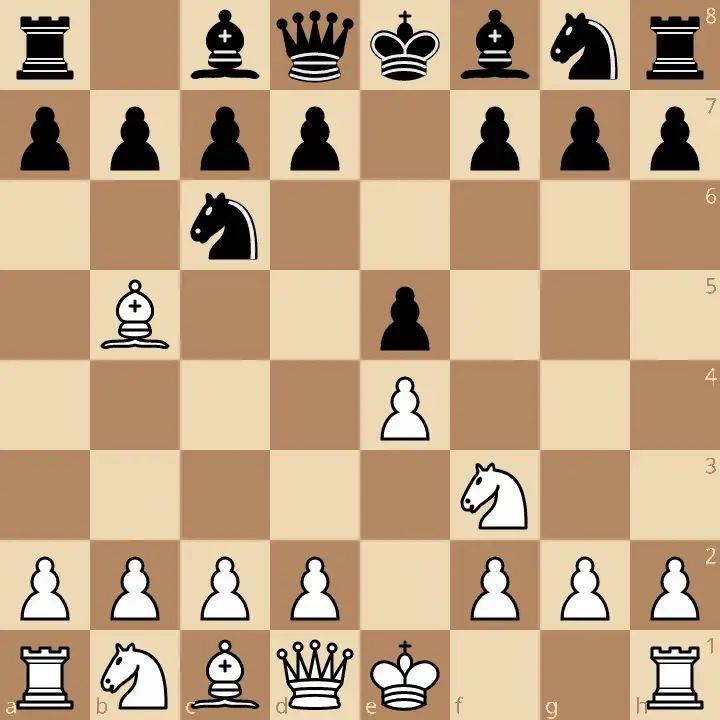
- The Moves: 1.e4 e5 2.Nf3 Nc6 3.Bb5
Carlsen often chooses Ruy Lopez ( Spanish Opening ) to reach quiet, strategic positions. He actually plays both mainlines and sidelines variations, aiming to gradually build pressure. It allows him to develop naturally, avoid sharp traps, and slowly outplay his opponents in long battles.
2. English Opening
- The Moves: 1.c4
The English Openings are also used by Carlsen to have it when he desires to have a slow, flexible position. In fact, it never enters into confrontation, and time takes control of the game. He plays reversed Sicilian structures with great regularity, and his ability to develop high degrees of central control and long-term position as opposed to sharp or tricky detail.

3. Queen’s Gambit (Declined/Accepted)
He also employs the Queen’s Gambit in a classical style but with his own twist. He keeps things flexible, often transposing into this setup from 1.d4. And, this gives him central control and opens options for slow piece development and subtle positional plans.
- The Moves: 1.d4 d5 2.c4

4. King’s Indian Attack

- The Move: 1. e4, 1. Nf3, or 1. g3.
This is a setup-based opening and one of Carlsen's favourites in order to avoid early preparation. He develops his pieces behind a solid pawn structure and looks for attacking chances later. It’s actually simple, reliable, and perfect for catching opponents off guard who truly expect heavy theory early on.
"Want to explore more strong opening choices? Check out our full guide on the Top Chess Openings for White to build a solid repertoire just like Magnus"
Top Openings Carlsen Plays as Black
When playing with Black pieces, Carlsen actually prefers reliable yet flexible Black openings that allow him to equalize and slowly outplay his opponents.
Here are some of his most trusted choices:
1. Sicilian Defense (Sveshnikov Variation)

- Move: 1.e4 c5 2.Nf3 Nc6 3.d4 cxd4 4.Nxd4 Nf6 5.Nc3 e5
Carlsen uses these sharp lines in order to counter 1.e4 aggressively. The Sveshnikov offers rich tactical chances, while the Accelerated Dragon actually provides flexibility and fast development. Both help him seize the initiative early and create an unbalanced position.
2. Nimzo-Indian Defense
- The Move 1.d4 Nf6 2.c4 e6 3.Nc3 Bb4.
A favourite against 1.d4, the Nimzo-Indian combines positional solidity with dynamic counterplay. He uses it to implement early pressure on the center and challenge White’s structure, frequently leading to imbalance but manageable middlegames.

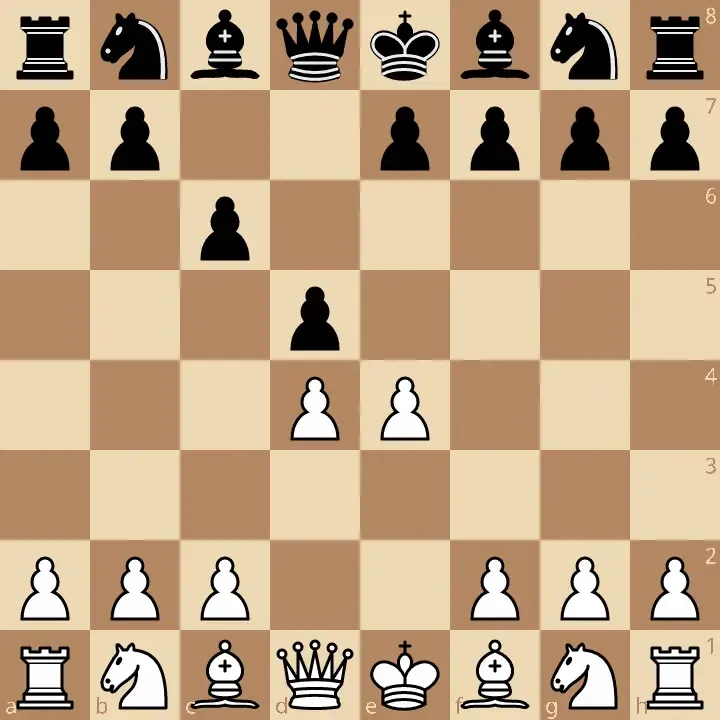
3. Caro-Kann Defense
Carlsen relies on the Caro-Kann Defense for its solid foundation and durability. It avoids early tactical chaos and lets him easily navigate into slow, strategic positions where he can gradually outplay his opponent with patience and deeper understanding.
- The Moves: 1.e4 c6
4. Queen’s Gambit Declined
This classical response to 1.e4 has served Carlsen well in both slow and rapid games. It allows him to neutralize White’s central ideas early and steer the game into quiet, equal positions where technique often decides the outcomes.

5. Scandinavian Defense
Though rare, Magnus Carlsen occasionally plays this in order to surprise opponents. It immediately challenges the center and forces White to think early. Used in rapid blitz, it truly helps him get unconventional positions where he can showcase creativity and skill.
- The Moves: 1.e4 d5

Lessons to Learn from Carlsen’s Opening Choices
Magnus Carlsen doesn’t always aim to win the game in the opening. Instead, he actually uses it as a tool to reach favourable middlegame positions where his understanding shines. Here’s what you can take away from how he handles his openings:
Go Beyond Memorization - Learn the ‘Why’ Behind Moves
To memorize long sequences of moves is not all that Carlsen does. His interests are aimed at trying to comprehend the point of each move played and the ideas created as a result. You as a learner, must do the same. Make an effort to study some fundamental principles, such as the weak squares, development, and center control. Understanding why you are making each move will make you advance a lot quicker than just reciting some lines and then you can gradually memorize openings as well.
Understand Pawn Structures and Typical Plans
Whether he plays the Ruy Lopez or Queen’s Gambit, Carlsen has a deep understanding of the resulting pawn structures. Knowing which pawn breaks are strong, where to place your pieces, and which endgames are truly favourable can easily elevate your overall play.
Choose Openings That Suit Your Playing Style
Carlsen plays solid, flexible lines that perfectly align with his positional strength. Likewise, don’t force yourself into aggressive or passive openings as they’re popular. Test different ones and stick with those that feel natural and result in positions you enjoy.
Why Magnus Carlsen Avoids Opening Theory (His Philosophy)
Carlsen has stated in multiple interviews that he deliberately avoids entering the deepest theoretical lines mapped out by modern supercomputers.
"I’m not too interested in opening theory. I prefer positions I understand." — Magnus Carlsen
His unique approach to navigating grandmaster openings during the first phase of the game is built upon five key pillars:
- Variety over preparation: By frequently switching up his opening moves (1.e4, 1.d4, 1.c4), no opponent is able to build a precisely prepared, anti-Carlsen home line.
- Healthy structures over sharp tactics: Carlsen opts for positions that don’t immediately fall to one microscopic miscalculation. This allows for counterplay and a longer, grind-it-out game.
- Embracing long games: Carlsen is quite willing to play 60+ move, dry games that other GMs dismiss as drawing and sterile.
- Microscopic pressure: Carlsen overpowers his opponents by gradually improving his position and relentlessly suffocating their weaknesses until they can no longer withstand the strain.
- Practical choices over objective computer evaluation: He favors moves that keep his opponent guessing and thinking on their own clock, expending their physical and mental reserves early.
This is why Carlsen will sometimes play what appears to be a “sub-optimal” and often amusing opening like the Bongcloud attack in blitz. For Carlsen, an opening is not about the quick mate in two, but merely the prelude to a very long psychological fight.
Be Flexible and Ready to Transpose
Magnus Carlsen frequently changes move orders to avoid heavy preparation or force his opponent into less familiar territory. Learn to recognize how different and sometimes complicated chess openings can transpose into others, giving you more control and adaptability in your games.
Conclusion
Magnus Carlsen teaches us that opening should not be seen as simply preparation; it is a strength to control the game in your unique way. Once you understand his decisions, you can learn how to be flexible, how to think strategically, and most importantly, how to play positions everyone is comfortable with. That same clarity of thinking, knowing exactly what works for him, is also what drove his off-board decisions, and is reflected directly in Magnus Carlsen's net worth, which stands as the highest of any active chess player in the world.
Be it as a player in the club or as a higher aspiration, concentrate on understanding, not on learning lines. Your opening repertoire can give you a competitive advantage in the real sense of the kind Carlsen has with the right mindset. Ready to Play online Chess and try these opening?
FAQs
- Carlsen favors flexible, strategic openings over heavily analyzed lines. He focuses on creating positions he understands deeply, giving him an edge by avoiding memorization and surprise traps.
- Ruy Lopez: A quiet, strategic approach for gradual pressure.English Opening: Flexible, non-confrontational, and control-focused.Queen’s Gambit: Central control with room for subtle plans.King’s Indian Attack: Solid, setup-based opening, perfect for avoiding early theory.
- Sicilian Defense: Aggressive counter to 1.e4.Nimzo-Indian Defense: Strong response to 1.d4 with dynamic counterplay.Caro-Kann Defense: Solid, reliable defense leading to strategic positions.Queen’s Gambit Declined: Neutralizes White’s center early for an equal game.Scandinavian Defense: Surprising and unconventional, ideal for blitz.
- Carlsen prefers understanding over memorization. This allows him to navigate positions naturally, forcing opponents into unfamiliar territory where his deeper understanding shines.
- Study the ideas behind moves, not just the moves themselves. Choose openings that fit your style, and be flexible with transpositions to keep your opponents guessing.
Albin Counter Gambit: Sharp Chess Opening Guide
Explore the Albin Counter Gambit in depth with opening theory, positional ideas, critical variations, and practical advice for both White and Black. Learn the plans today.
Dutch Defense: Aggressive Ideas and Winning Plans
Master the Dutch Defense chess opening and learn how to win with 1…f5. Explore attacking plans, structures, and practical strategies now.
Queen’s Indian Defense: Theory, Ideas & Main Lines
Queen’s Indian Defense explained with simple ideas, common variations, and practical tips. Discover how to play this powerful chess opening for Black.
Baltic Defense: Aggressive Chess Opening Explained
Discover the Baltic Defense in chess with clear explanations, key plans, and tactical traps. Improve your opening play and surprise rivals today.
Chigorin Defense: Key Ideas, Theory & Traps
Learn the Chigorin Defense with key ideas, main lines, traps, and strategy tips. Discover how Black creates active play against 1.d4.