Best Age to Learn Chess: When Should You Start?


Types of Chess: Explore All Variants and How They're Played
Discover the different types of chess, including classical, rapid, blitz, and modern variants. Learn the rules, differences, and pick the best one to play today.
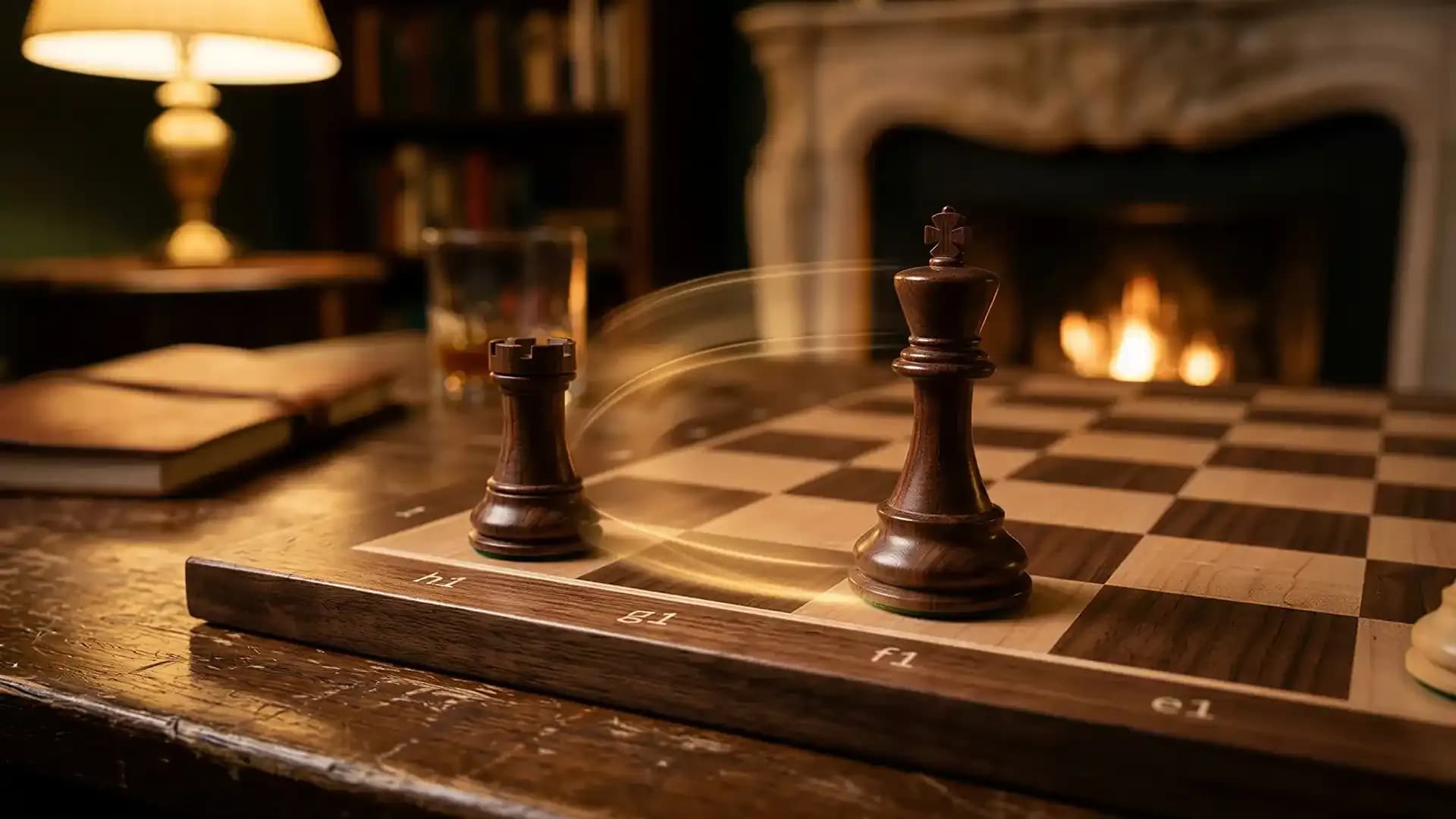
Castling in Chess: Rules, Long Castling & How to Castle
Castling in chess is a special move that allows the king and rook to move at the same time, helping protect the king and activate the rook for better board control.
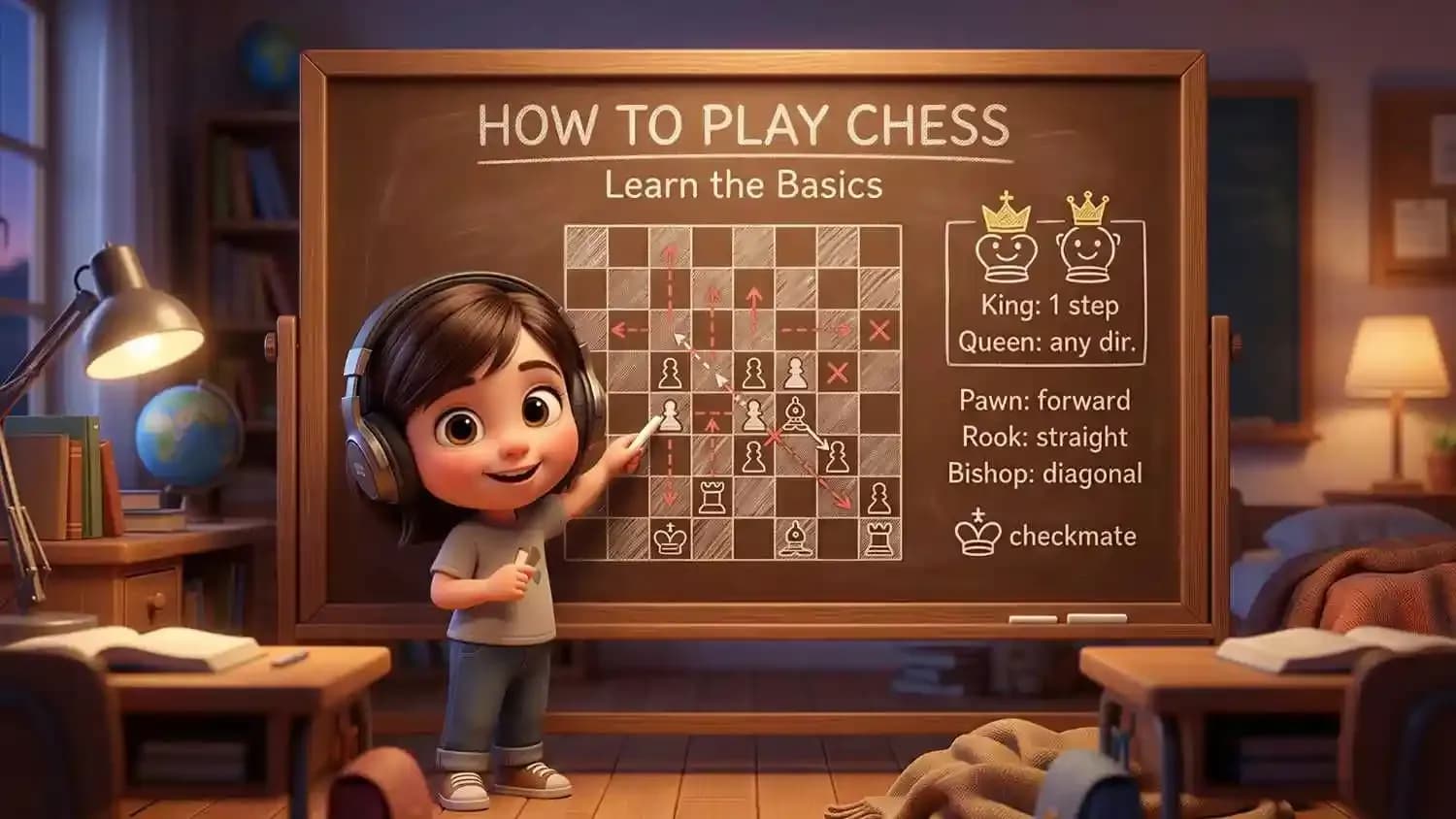
How to Play Chess: Easy Rules & Beginner Tips
How to play chess explained simply with board setup, piece rules, checkmate basics, and beginner strategies. Follow this guide and start playing today.

Youngest Chess World Champion: Top 10 Youngest Champions in History
Only a handful of players have ever claimed the title of youngest chess world champion, and the record keeps getting shattered. From Gukesh Dommaraju's historic 2024 win at just 18 to Kasparov's 40-year reign atop the record books, here's the full ranked list, timeline, and the rising prodigies who could break it next.
Chess Notation Explained: A Complete Guide to Reading and Writing Algebraic Notation
Master chess notation with our complete guide covering algebraic symbols, board coordinates, special moves and annotations. Start reading games today!

Many people hesitate to start playing chess as they think they’re either too young to understand it or too old to catch up. The big question that holds them back is, what’s the best age to learn chess? The good news is there’s no perfect age.
No matter if it's a 5-year-old learning your first moves, or even a 50-year-old choosing a new hobby, chess provides unique benefits at every stage. In this blog, we’ll break down how and when to introduce chess based on your age.
Table of contents
Does Age Really Matter in Learning Chess?

There isn’t a single best age to learn chess because the game welcomes players of all ages. Many children start learning chess between 4 and 6 years old when their brains are developing quickly, and it makes it easier in order to grasp new concepts. At this age kids usually grasp concepts of Chess quickly and tend to avoid common mistakes in chess
However, adults, along with seniors, can also learn chess effectively, and often bring patience and focus that actually helps improve their skills faster.
Chess is a game of strategy along with problem-solving, and its different types of chess benefit players at any stage of life. By now, we can consider whether you’re a young one or even an old one, the best age to learn chess is simply whenever you decide to start and enjoy the challenge.
Just be ready to learn chess - from setting up the board to mastering the game like a grandmaster
Chess at Different Life Stages

- Ages 4–6: The Golden Window
The ages between 4 to 6 are considered to be the perfect age to learn chess. Children learn quickly through pattern recognition and play. Tools such as ChessKid and physical boards make learning more fun. Even if we talk about Chess Legends like Magnus Carlsen, they also started at a young age and they show how early exposure can share future champions.
- Ages 7–12: Developing Strategic Thinking
Kids build stronger focus when they begin understanding chess strategy. Scholastic tournaments and child-friendly apps help them grow. The ages between 7 - 12 are great ages in order to form a solid foundation in tactics, logic and long-term decision-making.
Teens (13–19): Rapid Skill Acquisition with Logic
Teens learn fast thanks to improved reasoning and discipline. They can better grasp tactics like beginner's chess openings and understand the theory more deeply. These ages are perfect for serious training, joining clubs, and gaining confidence through competitive play and structured study.
- Adults (20–40): Structured Learning Advantage
Adults bring focus and motivation to learning. Online courses as well as coaching work well. It’s never too late as many start now and excel. With discipline along with practice, adults can enjoy steady improvement and even complete it.
- Seniors (40+): Brain Exercise & Enjoyment
Chess boosts memory and keeps your brain active in even later years. Seniors enjoy the challenges, and many start from scratch and succeed. It’s a great way to start sharp, engaged and socially connected through the game.
What Science Says About Learning Chess at Different Ages
- Cognitive Development in Children:
Research indicates that children aged 4-7 have high brain plasticity, and this makes it easier for them to absorb patterns, rules along with strategies naturally.
- Early Learning Builds Long-Term Memory:
Starting at a young age helps develop stronger neural connections and aids memory, decision-making and concentration over time. Adult Learners Have Logical Strengths:
Adults may start to learn more slowly initially, but often show better focus, discipline, and critical thinking, key traits in advanced chess play. Learning chess strategy tips for beginners
will help in this process.- Seniors Benefit Cognitively:
When we learn chess later in life, it helps improve memory, mental flexibility, and may reduce the risk of cognitive decline.
- Growth Mindset Beats Age:
Research highlights that consistent practice, curiosity and a belief in self-improvement matter more than age. Motivation along with mindset, drives success.
How to Start learning Chess Based on Your Age?
Kids:
When it comes to kids, then they can learn best with fun tools such as ChessKid, it offers puzzles and games that are customized for them. Can also start by reading some top chess book for beginners. These resources can help them build basic skills in a playful journey.

Teens:
If you’re a teen, then you can start by solving quick tactical puzzles while watching beginner-level video tutorials from the Best Chess YouTube Channels. Joining a local chess club or even enrolling in sessions could boost progress. This age group should focus on understanding strategies, learning about openings and playing regularly for steady improvement.

Adults:
Adults can begin with online lessons, a free tutorial, or also they can have a structured course that better fits into their schedules. Starting with the rules, then moving to basic tactics, strategy, and easy chess openings like the Van’t Kruijs, allows for gradual yet strong improvement. Setting weekly goals helps maintain consistency.

Seniors:
Seniors can start with print books that actually explain chess in a clear as well as step-by-step way. Slow-paced video tutorials along with personal coaching, also work well. Playing short daily games and focusing on employment rather than speed helps make learning both relaxing and stimulating.

Conclusion
No matter how old you are, learning chess now is your best opportunity. If you are young, eager to get better, need to improve skills, are an adult juggling responsibilities and study or a senior who wants to work your mind, chess is always there for you.
This game makes you think, improves your attention, and boosts your creativity. Enjoy learning and being curious, instead of worrying too much about when you start. That’s why, pick a board for a beginner’s lesson now, because chess can be enjoyed by all and your best move might happen at any time.
FAQs
- Children as young as 5-6 can begin learning chess, as they can better understand rules and basic strategies. However, there’s no “too early” if the child shows interest. Early exposure improves pattern recognition, concentration, along with problem-solving skills over time.
- Of course, even adults can learn chess very effectively. While children often absorb patterns faster, adults benefit from a stronger discipline focus, along with structured learning. Several adult beginners quickly reach competitive levels by studying tactics, practicing regularly, and regularly their own games.
- Many chess prodigies begin between ages 4 and 8, when actually their brains are highly receptive to pattern recognition. Early exposure combined with structured practice mostly leads to rapid improvement, though starting later doesn’t prevent strong performance with the right education.
- Indeed, chess sharpens memory, concentration, logic, and problem solving at any age. It can have a real positive impact on cognitive development in children and an ideal upkeep of mental health and alertness among the adults. Therefore, consistent play stimulates the brain and makes it active and flexible in the long run.
- Yes. Many players who enter the game when they are teens or adults succeed in competing, as they begin to offer more years of development. The gap can be filled by consistent practice, focused learning and tournament experience to make a big difference no matter what age started at.
Types of Chess: Explore All Variants and How They're Played
Discover the different types of chess, including classical, rapid, blitz, and modern variants. Learn the rules, differences, and pick the best one to play today.
Castling in Chess: Rules, Long Castling & How to Castle
Castling in chess is a special move that allows the king and rook to move at the same time, helping protect the king and activate the rook for better board control.
How to Play Chess: Easy Rules & Beginner Tips
How to play chess explained simply with board setup, piece rules, checkmate basics, and beginner strategies. Follow this guide and start playing today.
Youngest Chess World Champion: Top 10 Youngest Champions in History
Only a handful of players have ever claimed the title of youngest chess world champion, and the record keeps getting shattered. From Gukesh Dommaraju's historic 2024 win at just 18 to Kasparov's 40-year reign atop the record books, here's the full ranked list, timeline, and the rising prodigies who could break it next.
Chess Notation Explained: A Complete Guide to Reading and Writing Algebraic Notation
Master chess notation with our complete guide covering algebraic symbols, board coordinates, special moves and annotations. Start reading games today!