Chess Tempo Explained: What It Is, Why It Matters, and How to Use It



Fianchetto in Chess: What It Means, How to Use It, and Why It Works
Discover what Fianchetto Chess means, how to set it up for both colors, and why top openings like the King's Indian and Catalan rely on this powerful bishop strategy.
Chess Tempo Explained: What It Is, Why It Matters, and How to Use It
Learn chess tempo with simple explanations, real-game examples, and proven strategies to gain advantage, avoid mistakes, and win more games—start now.
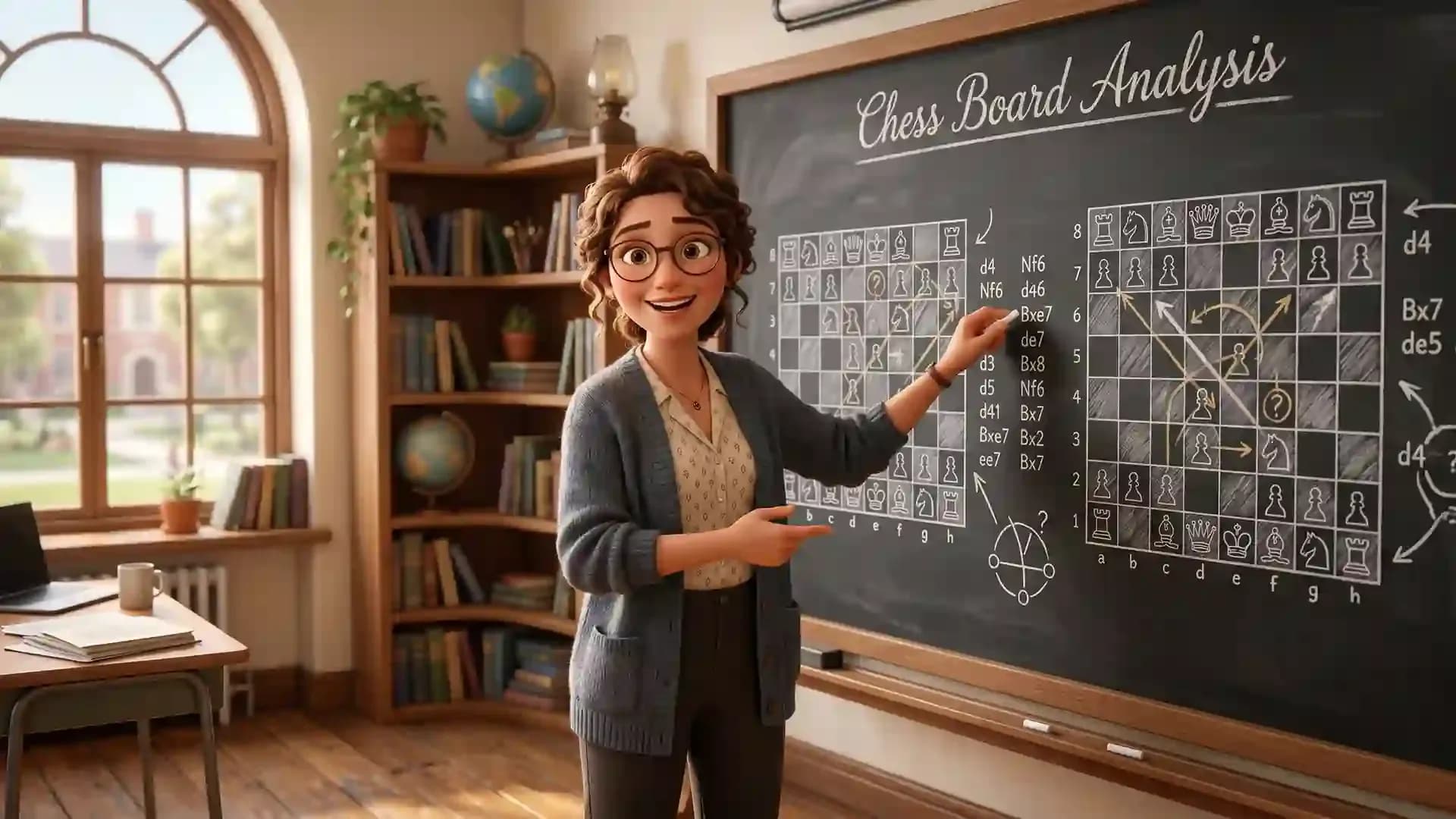
Chess Board Analysis: How to Analyze Your Chess Games and Actually Improve
Master chess board analysis with easy strategies and practical tips. Improve decision-making, spot tactics faster, and start winning more games today!
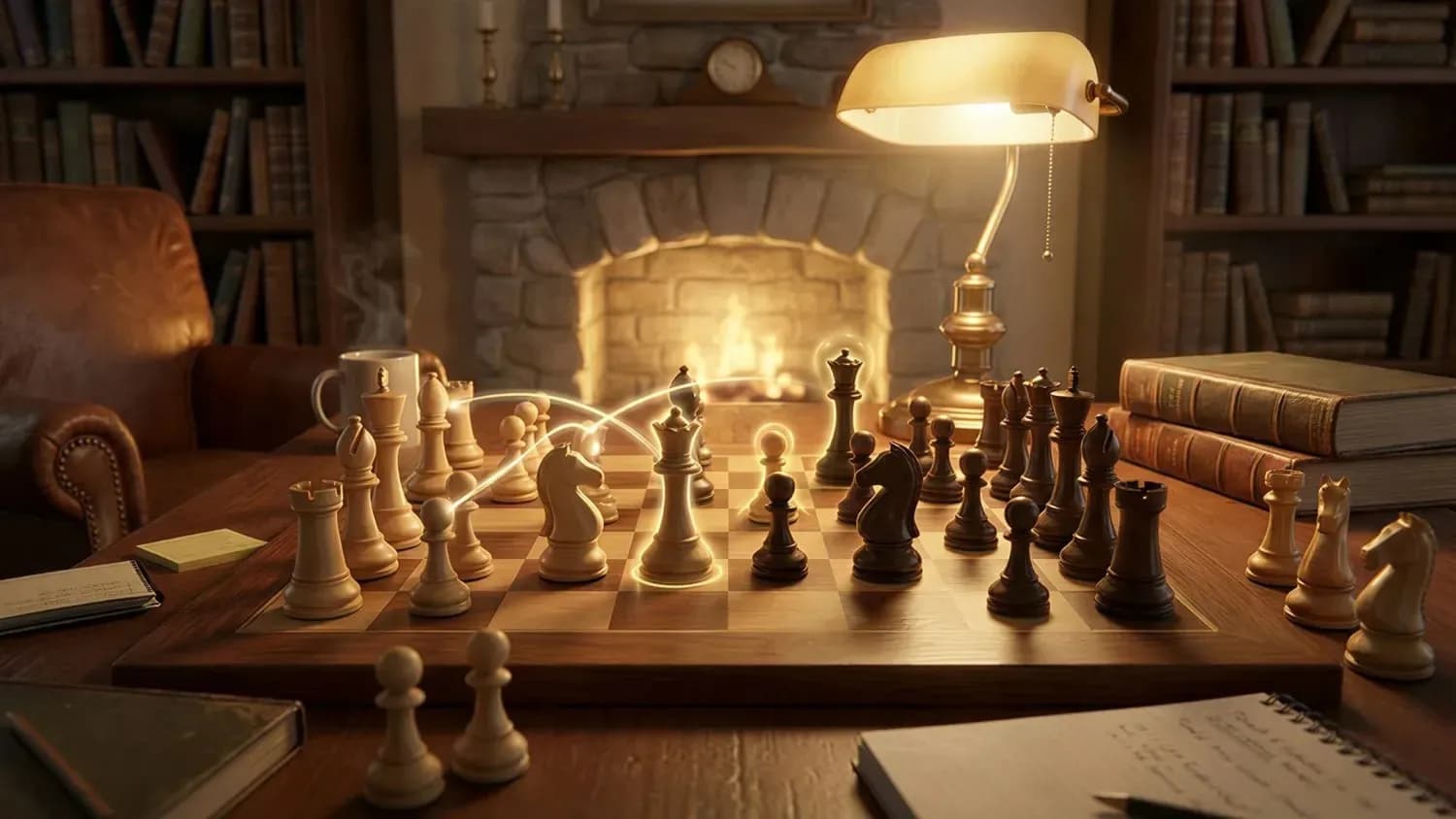
How to Win at Chess: Proven Strategies for Faster Improvement
Learn how to win at chess with clear strategies, smart planning, and mistake-free play. Improve faster, outplay opponents, and start winning games today.
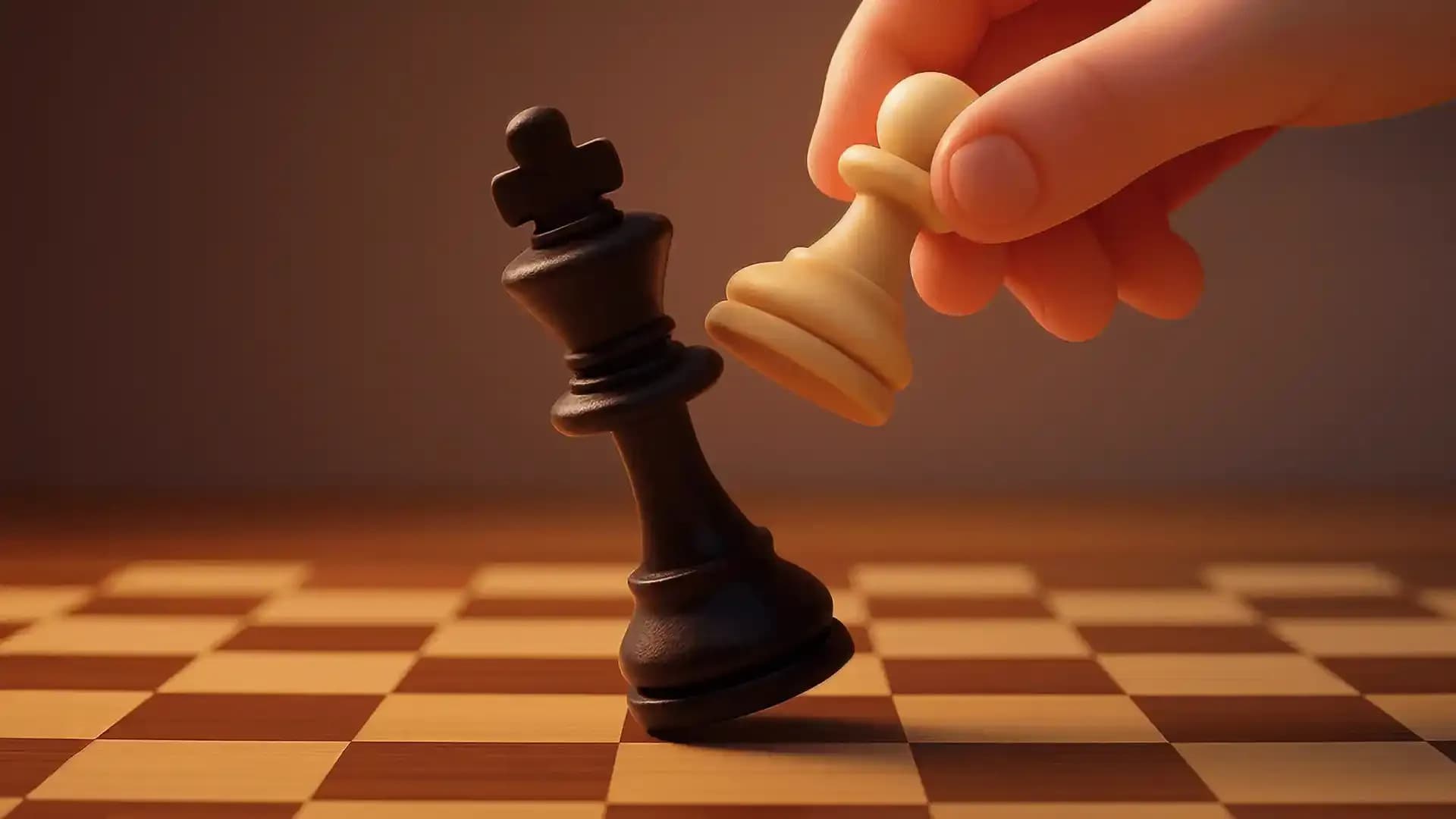
Can a Pawn Take a King in Chess? (Full Explanation)
Can a pawn take a king in chess? Discover the real rule behind this common question and learn what happens in check and checkmate. Read the full guide now!
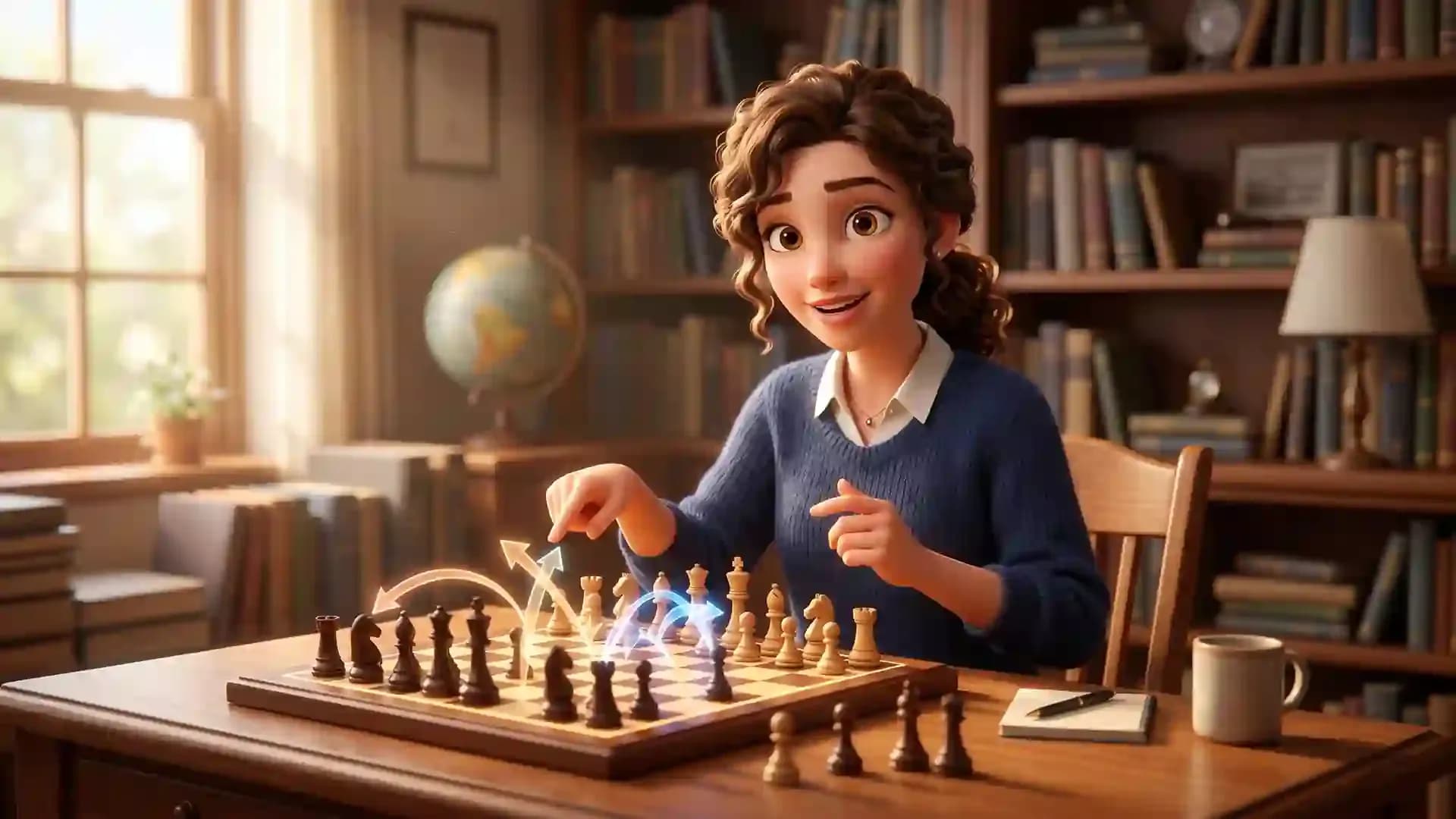
Chess is not only about the board but also about time. Whereas one usually pays attention to capturing pieces such as the Queen or the Rook, in chess, the very best play is for save time. The phenomenon of time in the context of board games is called "tempo".
To those who seek more than just playing and want to beat their opponents, there is nothing else left but to get familiar with the complexities of tempo in the game of chess. Playing chess online and learning about this aspect will completely transform your perspective on each move you make.
Table of contents
What is a Tempo in Chess?

The word tempo comes from the Latin word for time. One tempo in chess equals one move. When it takes one move to place your knight well, you have used one tempo. As far as moves of pieces go, tempo is just like those that any player starts learning at the onset of his or her chess playing experience.
The importance of tempo is reflected in the fact that it determines who gets an advantage playing White. Since White makes the first move, he or she will always be ahead by one tempo. For White, it means control; for Black, it entails reacting.
It is also common practice to comment on a game by stating, for example, "I gained a tempo when I attacked his queen" or "I lost a tempo because I moved my bishop twice".
How to Gain a Tempo: Turning Moves into Threats

Playing in tempo is the most exhilarating experience during a game. A tempo is made when you play a move that does two things: improves your position, and makes your opponent play an additional move due to what you have done. This is probably the best way to win in chess.
What it Means to Gain a Tempo in Strategy
To gain a tempo means you have effectively received a "free move." You have developed a piece or improved your king, and your opponent has done nothing but move a piece to safety.
Gaining Tempo by Developing Pieces with Threats
The most common way to gain tempo is to develop a piece while simultaneously creating a threat. For example, if you move your Bishop to an active diagonal and it happens to attack your opponent’s Rook, they must move that Rook. You have improved your Bishop for free, while they have just moved a piece they had already developed. This type of proactive play is the best way to get better at chess, as it forces your opponent to react to your plan rather than executing their own.
Real Example: Attacking While Developing in the Opening
In many openings, a player might bring their Queen out too early. By developing your minor pieces (Knights and Bishops) to squares that attack the Queen, you gain several tempos. Your army grows stronger while the opponent's Queen is forced to dance around the board to avoid capture.
Why Losing a Tempo Can Cost You the Game
On the flip side, losing a tempo can be the first step toward losing the game.
What it Means to Lose a Tempo
When tempo is lost, additional moves are made to perform an action that could have been done with fewer moves. For instance, when you use two moves to make your piece reach a specific point, where one move would suffice, then there is a loss of tempo.
Moving the Same Piece Twice: A Common Opening Mistake
There are many ways players lose tempo in the early stages of the game, but one of the most common mistakes is repeating the same move with the same piece. It is often said that before you can focus on creating any chess opening traps for your opponent, you must first ensure that you do not lose tempos.
How Wasted Moves Hand the Initiative to Your Opponent
Every wasted move hands the "initiative" to your opponent. The initiative is the ability to make threats that the other player must answer. If you lose enough tempos, your opponent will have all their pieces in the game while yours are still sitting on the back rank.
Tempo in the Opening: Why Speed is Critical Early
The opening is a race to get their pieces into the center first. This is why tempo is most important during the first ten moves in chess.
The Principle of Rapid Development and Tempo
Every move in the opening should contribute to the development of the game. If you spend time moving pawns that don't control the center, you are effectively giving your opponent time to develop their pieces. This is why many players prefer the London System chess setup, as it offers a very reliable and tempo-efficient way to get pieces into the game.
How White's First-Move Advantage is a Tempo Advantage
If White plays perfectly, they keep their initial tempo lead. This is why many high-level draws occur; Black works the entire game just to "neutralize" that single tempo advantage White started with.
Common Opening Mistakes That Lose Tempo
To avoid losing tempo, stick to opening principles: move each piece only once, control the center, and castle early. Mastering the 'how to properly set up a chessboard' phase is useless if you don't follow up with efficient development.
Mastering Tempo in the Middlegame
In the middlegame, what tempo in chess is about becomes pressure and tactics.
Using Immediate Threats to Improve Your Position
You must try to make a move that gains you material through check or an attack. If you use your pawns to attack, which is not defending, and use a rook to make a better strategic position, it is called tempo, which means you are moving with a thought.
Zwischenzug: The "In-Between" Move That Gains Tempo
Zwischenzug is a term used by Germans in Chess to mean "in-between move". It is a type of move in chess that you play instead of the move that was expected to be made. An example of such a move is playing an unexpected check before the other player's move.
The Decisive Role of Tempo in the Endgame
In the endgame, when there are very few chess pieces left, tempo is often the only thing that matters.
King Opposition: The Battle for a Single Tempo

When two Kings face each other with one square in between, they are in "opposition." The player who does not have to move has the tempo advantage. The player who must move is forced to step aside and let the other King through. Mastering this concept is the best way to get better at chess endgames, as it often determines whether a game ends in a draw or a hard fought victory.
Triangulation: Wasting a Tempo to Force a Win
Sometimes, you have to lose in order to win! The triangulation strategy is used when the King moves in a triangular pattern to return to the starting point. However, at this point, it's the turn of your opponent to make a move. This forces them to lose their turn by falling into a Zugzwang.
Conclusion: Putting Tempo into Practice
Understanding chess tempo is a vital part of any chess study plan. It is the secret money of chess. Once you get a tempo, you gain the initiative; if you lose it, you will be on the defensive.
This is only possible when you play chess online and apply some of these strategies. Review your previous games and locate one where you made a similar move with a particular piece twice, or you had an opportunity to threaten to get a free move.
FAQs
- It means wasting a turn. This usually happens by moving the same piece twice in the opening or by being forced to retreat a piece.
- Absolutely. When a player is "down several tempos," they often feel claustrophobic because their pieces are not coordinated, which leads to further mistakes.
- The easiest way is to develop a piece (like a Knight or Bishop) so that it attacks a more valuable enemy piece (like the Queen).
- No. Time controls refer to the clock. Tempo refers to the number of moves on the board. If you want to improve your overall game, finding the best app to learn chess can help you practice these concepts in real-time.
Fianchetto in Chess: What It Means, How to Use It, and Why It Works
Discover what Fianchetto Chess means, how to set it up for both colors, and why top openings like the King's Indian and Catalan rely on this powerful bishop strategy.
Chess Tempo Explained: What It Is, Why It Matters, and How to Use It
Learn chess tempo with simple explanations, real-game examples, and proven strategies to gain advantage, avoid mistakes, and win more games—start now.
Chess Board Analysis: How to Analyze Your Chess Games and Actually Improve
Master chess board analysis with easy strategies and practical tips. Improve decision-making, spot tactics faster, and start winning more games today!
How to Win at Chess: Proven Strategies for Faster Improvement
Learn how to win at chess with clear strategies, smart planning, and mistake-free play. Improve faster, outplay opponents, and start winning games today.
Can a Pawn Take a King in Chess? (Full Explanation)
Can a pawn take a king in chess? Discover the real rule behind this common question and learn what happens in check and checkmate. Read the full guide now!