Top 10 Endgame Checkmates to Master

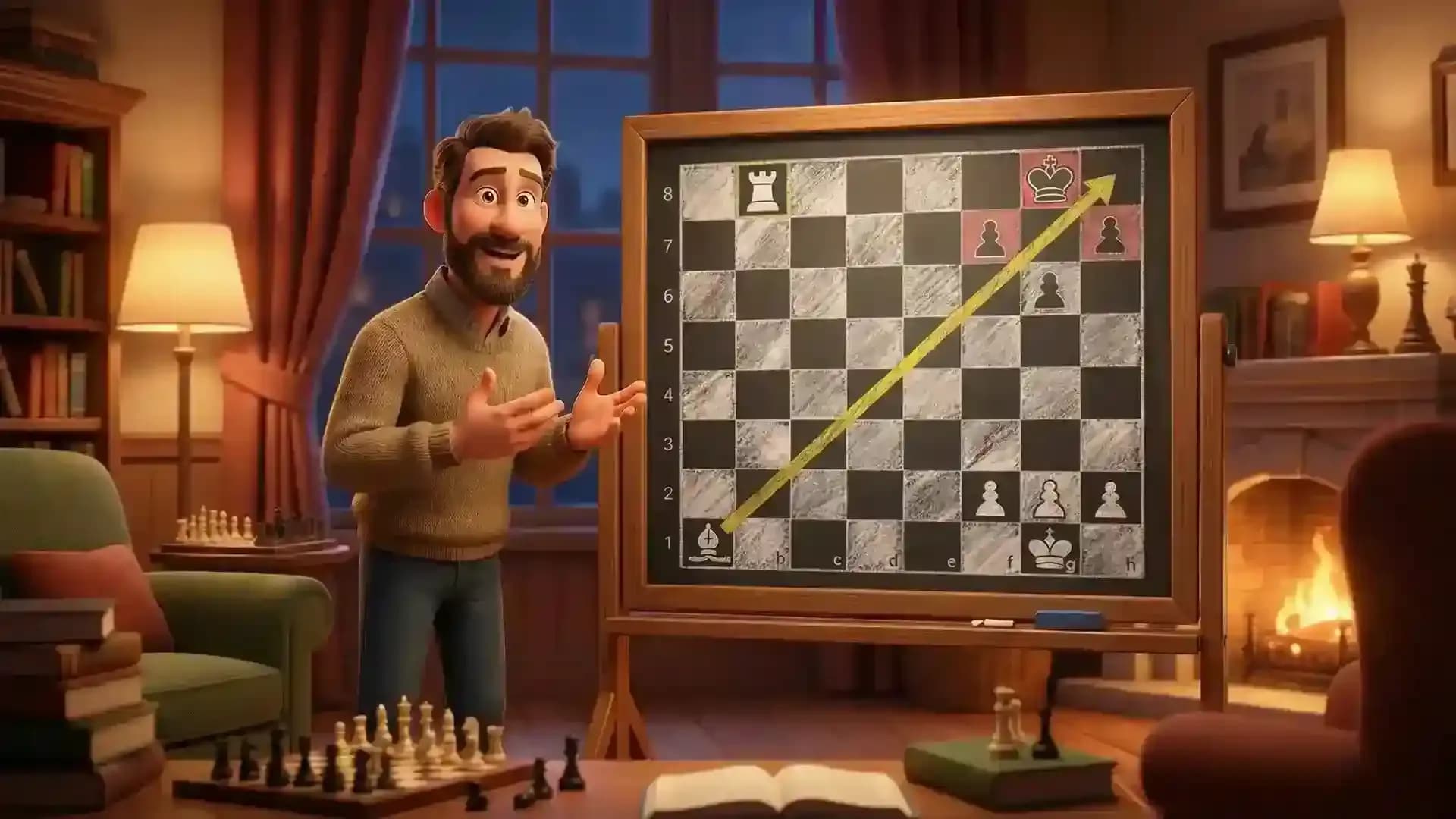
Back Rank Mate: How to Spot and Win Instantly
What is a Back Rank Mate? Learn the key patterns, common traps, and simple strategies to deliver this classic checkmate and win more games today.
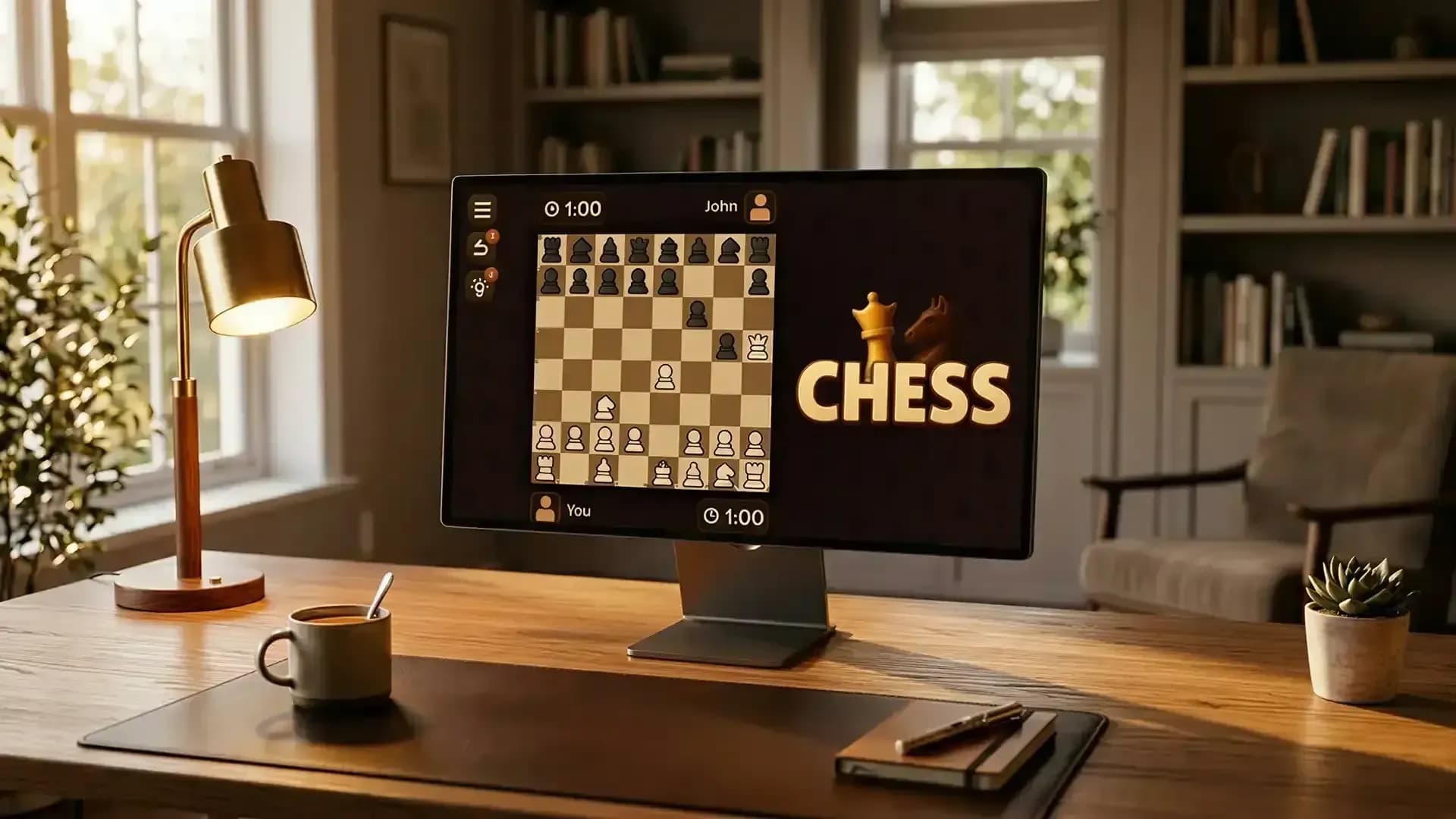
Fool's Mate: Fastest Checkmate in Chess Explained
Fool's Mate is the fastest checkmate in chess. Discover how the 2-move mate works, why it happens, and simple ways to avoid it. Learn the pattern and improve your chess.
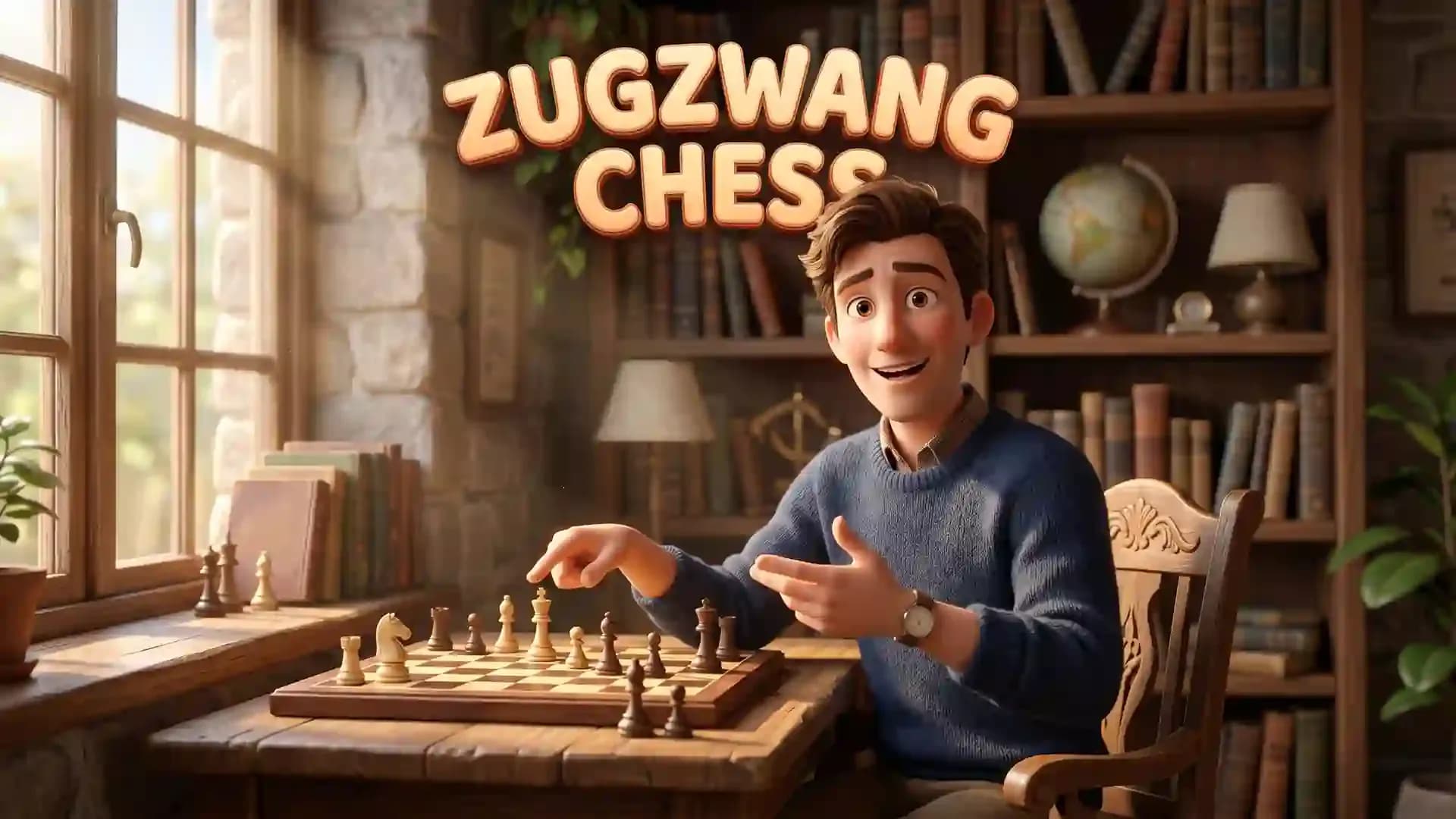
What Is Zugzwang in Chess? Meaning, Examples & How to Use It to Win
Ever been forced to make a losing move? That’s zugzwang. Learn how it works, see examples, and use it to dominate your opponent.
Can a King Checkmate a King? (Full Chess Rule Explained)
Can a King checkmate a King in chess? Discover the real rule, expert insights, and examples—click to master this key concept in chess strategy!

The 7 Fastest checkmate Moves Every Beginners must know
Discover the fastest checkmate strategies to win chess games quickly. Master quick tactics and impress your opponents—start learning now!
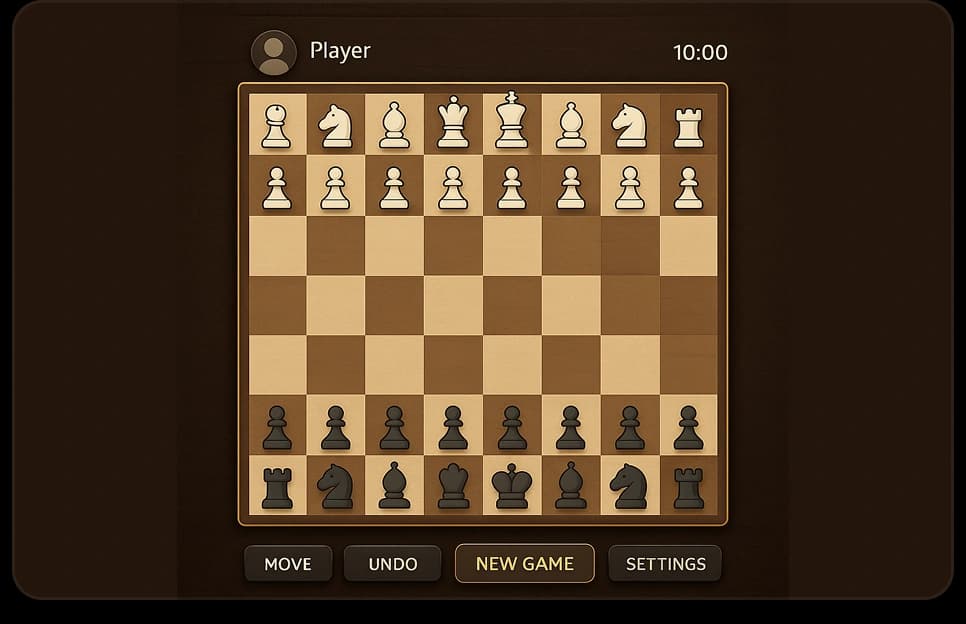
Many chess games are actually lost not because of mistakes, but because players don’t exactly know how to finish. That’s why learning endgame checkmates is important. And, these essential patterns really help you turn a winning position into a checkmate without panic, or even wasted moves.
No matter if you’re just starting out or even aiming to improve, this guide covers 10 practical endgame checkmates that will truly sharpen your skills, boost confidence, and help you choose games like a pro, even in time trouble.
Table of contents
King and Queen vs. King Mate Why Do Endgame Checkmates Matter?
Mastering the endgame is what separates casual players from serious competitors. It’s not just about knowing moves, it’s also about finishing with precision. Here’s why learning key endgame checkmates provides you with a winning edge:
They reveal your level of understanding.
Casual players often miss basic mates. On the other hand, serious players confidently convert even the simplest endgame into wins.
You gain a strong psychological edge.
Knowing how to finish puts pressure on your opponent and boosts your confidence during critical game moments.
They’re crucial in blitz and bullet chess.
In fast games like blitz and bullet chess, these mates actually help you win quickly without even wasting time calculating every move under time pressure.
Want to learn more about checkmate tricks? Check out our guide on the most common checkmate patterns.
Top 10 Endgame Checkmates
To finish strong in any chess game, learn these essential endgame checkmates every player should master and recognize instantly:
1. King and Queen vs. King Mate
This is the most basic endgame checkmate, and every player should know it. The queen alone can’t checkmate safely unless the enemy king is forced to the edge of the board. So, start by using the queen in order to cut off ranks, or files, slowly boxing in the opposing king. Bring your own king closer to support. Once the enemy king is stuck in a corner, deliver the final checkmate. Also, be careful to avoid accidental stalemates—learn the difference in our Checkmate vs. Stalemate guide.

2. King and Rook vs. King Mate
When it comes to King and Rook vs. King Mate, this checkmate takes more effort than using a queen, but it’s just as reliable. The goal is to restrict the opposing king to your rook, cutting off ranks or files, and slowly push them towards the board's edge. Use your king for support, keeping it close in order to protect your rook. Once the enemy king is trapped along a rank or file, use your rook to deliver mate, frequently forcing a zugzwang in chess where every move leads closer to checkmate.. Watch out for stalemates and practice the “box method” for precision.

3. Back Rank Mate
This classic Back Rank Checkmate happens when the enemy king is stuck behind its own pawns on the back rank (usually the 1st or 8th rank). If those pawns haven’t moved and there are no defenders nearby, a rook or queen can slide across the rank to deliver a decisive checkmate. While frequently seen in the middlegame, recognizing the Back Rank Mate pattern is just as important in simplified positions. It’s a powerful way to punish passive play and remains a favorite tactic in faster formats.

4. Ladder Mate (Rook Roller)
The ladder mate, also known as the rook roller, uses two rooks working together in order to checkmate a long king. One rook delivers a check, while the other controls the escape squares. With each move, they “climb the ladder”, alternating checks and pushing the enemy king backward until checkmate is delivered. It’s a beautiful, clean pattern that actually appears in games where you’re up material. Learn it well—it’s fast, effective, and one of the quickest checkmates to execute in real games.

5. Smothered Mate
Smothered mate is a rare but brilliant checkmate where a knight delivers the final blow. It happens when the enemy king is surrounded by its own pieces, usually in a corner, leaving no room to escape. The knights, mostly supported by a queen sacrifice, finish the game by jumping in with a checkmate. However, not common in pure endgames, it’s a must-know motif that actually can appear late in the game after a series of simplifying exchanges. Want more sneaky wins? Try the 2-move checkmate trick—it’s rare but powerful!

6. Arabian Mate
The Arabian Mate involves a rook and a knight that team up to deliver a checkmate, usually in the corner. The knight covers escape squares, while the rook lands the final check. It’s one of the oldest known mating patterns and works perfectly when you have these two pieces in a simplified board. The key is coordination; neither piece can checkmate alone, but together they create a tight net. This is especially useful when playing with limited time or material.

7. Anastasia’s Mate
Anastasia’s mate rook and knight to trap the enemy king on the edge board. The knight usually controls f7 or f2 (depending on color), while the rook actually delivers the final blow along the edge file. A pawn structure, especially g7/g2, is critical in trapping the king. This pattern often occurs after castling or in a simplified middlegame transitioning to an endgame. Once you recognize the setup, it’s an elegant and efficient checkmate to finish with.

8. Bishop and Knight Mate vs. King
Now, Bishop and Knight Mate vs. King is one of the most difficult checkmates to execute, even for experienced players. It requires careful coordination between the bishop and knight to force the enemy king into the corner that matches your bishop’s color. The process involves understanding the “W-method” or sometimes “the triangle technique”. You’ll also need to use your own king to support. It rarely happens in practical games, but knowing it can mean the difference between a win and a draw in a certain ending.
9. Two Bishops vs. King Mate
Though uncommon, this endgame is simpler than it looks. The 2 bishops working together, along with your king, can smoothly force the opposing king into a corner and deliver a checkmate. The bishops control diagonals and limit escape squares, while your king helps drive the opponent to the mating zone. It’s crucial to keep control, not rush. Practice this technique in order to build confidence, especially if you find yourself in endgames with bishops and need a clean finish. Practice this technique in order to build confidence, here’s a full breakdown of the Two Bishop Checkmate pattern.

10. King and Pawn vs. King Checkmate
This checkmate only happens after a pawn is successfully promoted. The basic idea is to push the pawn forward with the support of your king. Once it reaches the 8th rank ( or 1st for Black), promote it, usually to a queen, and use the King + Queen checkmate technique. However, avoid rushing, as there’s a real risk of stalemate if you advance too early without even escaping squares for the enemy king. Push, protect, promote, and then finish smartly.

Bonus Tips for Mastering Endgame Checkmates
Consistent practice and the right tools can make checkmating feel effortless. Here are 4 quick improvement tips:
Practice Daily:
Use daily endgame drills or play chess online free to sharpen your checkmate technique and build muscle memory.
Watch Grandmaster games:
Observe how top players actually convert advantages with clean, efficient checkmate patterns.
Try chess endgame apps:
Use mobile apps for quick practice sessions and pattern recognition on the go.
Read endgame books:
Start with Silman’s or Pandolfini’s guide for easy-to-follow checkmate lessons.
Final Thoughts
Endgame checkmate is the final step to turning a good game into a great win. By learning and practicing these essential patterns, you’ll avoid missed opportunities and finish your games with confidence. No matter if you’re playing casually or under time pressure, these mates will make a real difference. Also, don’t forget to study the most common checkmate patterns to recognize them instantly in your games.
Ready to level up your endgame? You can even play chess online to practice them in real games. Start today, and let us know which checkmate you found most useful.”
FAQs
- Mastering endgame checkmates helps you confidently convert winning positions into victories without wasting time or risking draws. Knowing patterns like King and Queen vs. King or Ladder Mate gives you a huge psychological advantage, especially in blitz and bullet games, where time is limited.
- The easiest and most common checkmate is King and Queen vs. King. By cutting off ranks or files with your queen and bringing your king closer, you can force the enemy king to the corner and deliver a simple checkmate. It’s the foundation for learning other patterns.
- Beginners should focus on these five must-know patterns: King and Queen vs. KingKing and Rook vs. KingBack Rank MateLadder Mate (Rook Roller)Smothered MateThese cover 90% of practical scenarios in beginner and intermediate games.
- The Bishop and Knight vs. King checkmate is one of the hardest. It requires precision, understanding the “W-method,” and driving the enemy king into the correct corner. While rare, it’s worth learning to avoid drawing a completely winning game.
- Absolutely! Knowing checkmate patterns like Ladder Mate or Two Bishops Mate saves time and helps you win under pressure. In fast formats, intuition and pattern recognition matter more than deep calculation, so endgame mastery is a major edge.
Back Rank Mate: How to Spot and Win Instantly
What is a Back Rank Mate? Learn the key patterns, common traps, and simple strategies to deliver this classic checkmate and win more games today.
Fool's Mate: Fastest Checkmate in Chess Explained
Fool's Mate is the fastest checkmate in chess. Discover how the 2-move mate works, why it happens, and simple ways to avoid it. Learn the pattern and improve your chess.
What Is Zugzwang in Chess? Meaning, Examples & How to Use It to Win
Ever been forced to make a losing move? That’s zugzwang. Learn how it works, see examples, and use it to dominate your opponent.
Can a King Checkmate a King? (Full Chess Rule Explained)
Can a King checkmate a King in chess? Discover the real rule, expert insights, and examples—click to master this key concept in chess strategy!
The 7 Fastest checkmate Moves Every Beginners must know
Discover the fastest checkmate strategies to win chess games quickly. Master quick tactics and impress your opponents—start learning now!