Halloween Gambit: Complete Chess Opening Guide (Moves, Ideas & Traps)


Albin Counter Gambit: Sharp Chess Opening Guide
Explore the Albin Counter Gambit in depth with opening theory, positional ideas, critical variations, and practical advice for both White and Black. Learn the plans today.

Dutch Defense: Aggressive Ideas and Winning Plans
Master the Dutch Defense chess opening and learn how to win with 1…f5. Explore attacking plans, structures, and practical strategies now.
Queen’s Indian Defense: Theory, Ideas & Main Lines
Queen’s Indian Defense explained with simple ideas, common variations, and practical tips. Discover how to play this powerful chess opening for Black.

Baltic Defense: Aggressive Chess Opening Explained
Discover the Baltic Defense in chess with clear explanations, key plans, and tactical traps. Improve your opening play and surprise rivals today.

Chigorin Defense: Key Ideas, Theory & Traps
Learn the Chigorin Defense with key ideas, main lines, traps, and strategy tips. Discover how Black creates active play against 1.d4.

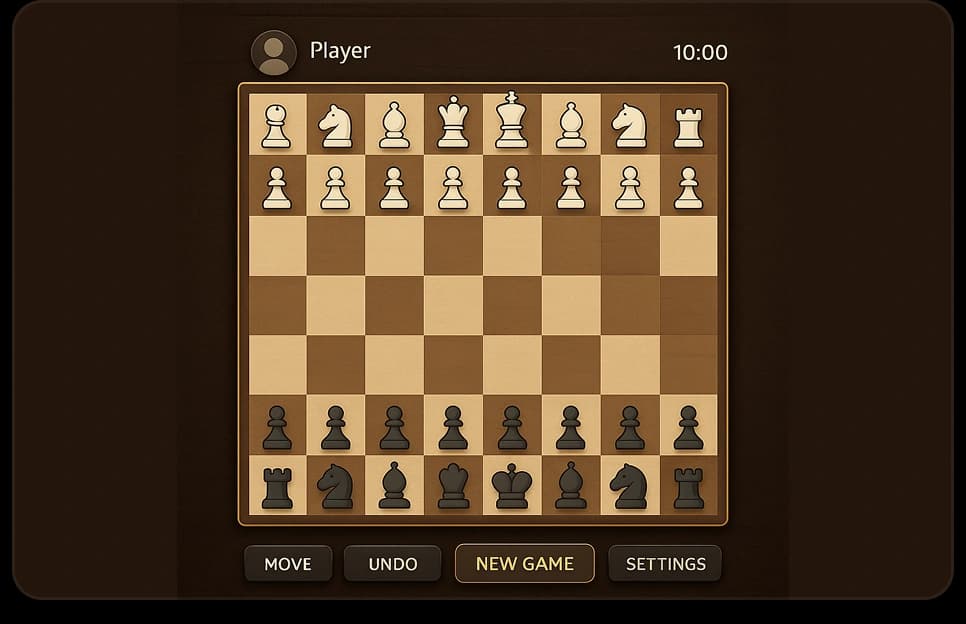
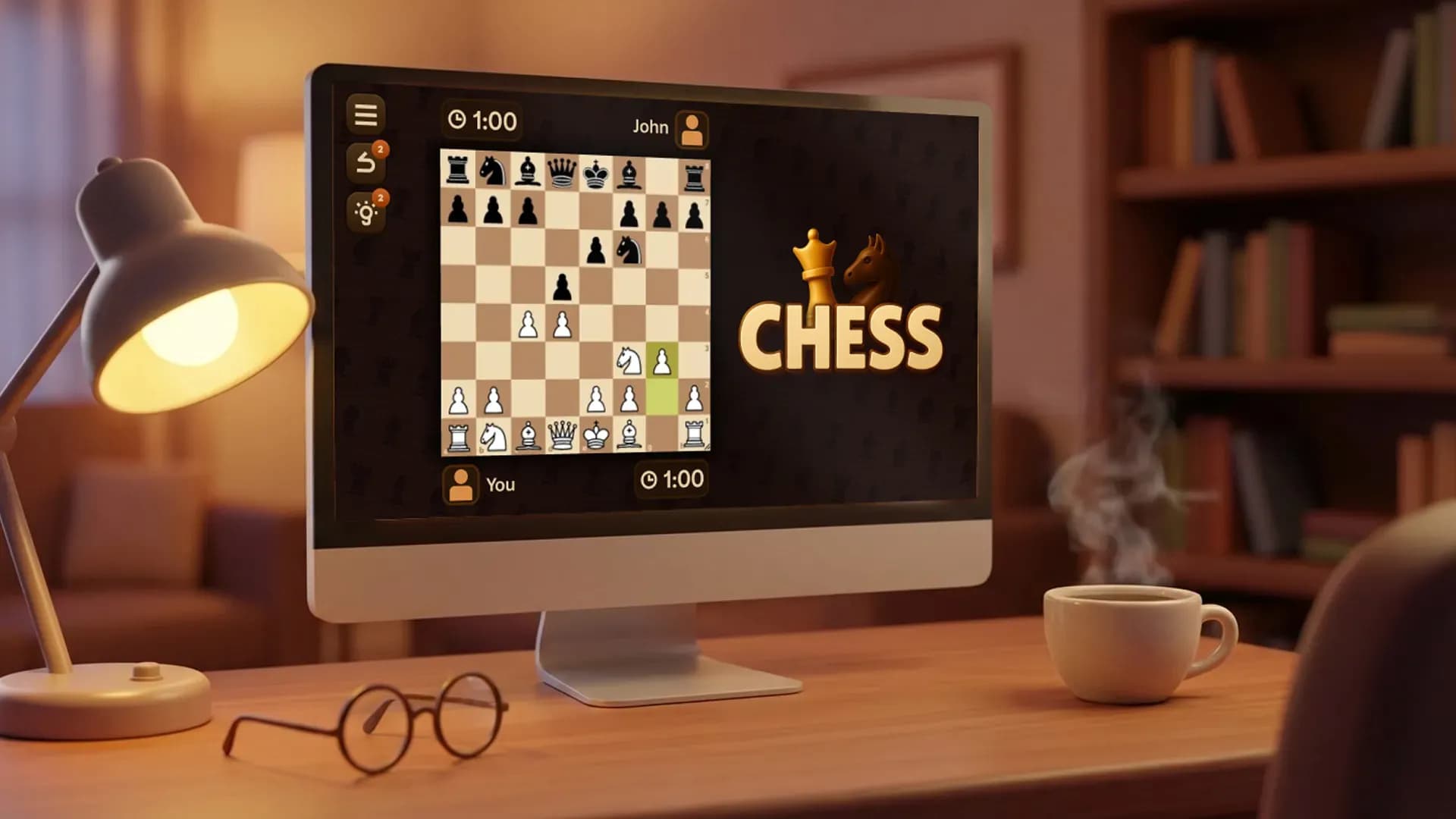
To deploy the hyper-aggressive Halloween Gambit, both players must first bring out their minor pieces symmetrically into the traditional Four Knights Game.
It serves as an incredibly effective psychological surprise weapon when you play chess online, forcing your opponent into a stressful tactical battle where you trade a full minor piece for absolute control of the center.
Table of contents
- What Is the Halloween Gambit?
- Halloween Gambit Move Order
- How to Play the Halloween Gambit
- Main Ideas Behind the Halloween Gambit
- Best Response to the Halloween Gambit
- Best Plans for White
- Common Traps in the Halloween Gambit
- Common Mistakes to Avoid
- Halloween Gambit Pros and Cons
- Is the Halloween Gambit Sound?
- Who Should Play the Halloween Gambit?
- Famous Games Featuring the Halloween Gambit
- Halloween Gambit vs. Other Aggressive Openings
- Conclusion
What Is the Halloween Gambit?
The Halloween Opening is a highly aggressive strategy in chess that involves sacrificing a piece on the fourth move to gain central control of the board, rapid development of pieces, and an immediate attack against the opponent's fleeing pieces.
- ECO Classification: C47 (Four Knights Game, Symmetrical Line)
- Which opening does it come from? It arises directly out of the highly traditional, otherwise quiet Four Knights Game.
- Why it's called the Halloween Gambit: The name was given to the opening by Steffen Jakob, a German chess player. He described how the opening can make one’s game turn into a horror night because it frightens the innocent Black players into madness.
Halloween Gambit Move Order

To create balance, players need to complete the Four Knights game before playing the Halloween Gambit. Unlike fast tricks such as the Fool's Mate, this strategy is based on positional compensation.
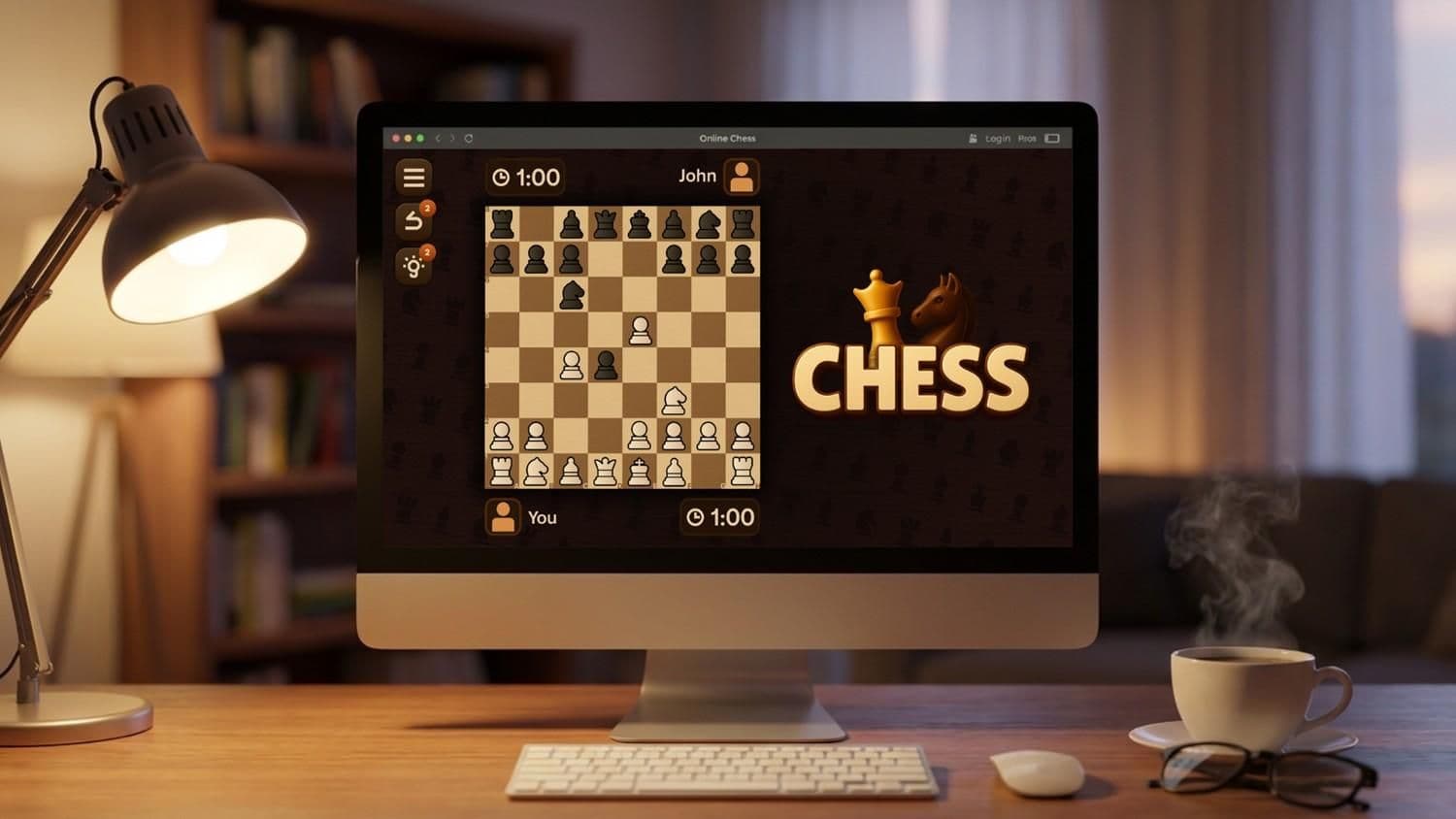
The Starting Position
Here is how the opening sequence unfolds move-by-move:
- e4 e5 — Both players fight for initial control of the center.
- Nf3 Nc6 — White attacks the e5 pawn; Black develops a knight to defend it.
- Nc3 Nf6 — Both players bring out their remaining knights, reaching the classic Four Knights Game.
- Nxe5!! — The Halloween Gambit. White completely ignores standard safety, sacrificing a whole knight for a lone central pawn.
Why White Sacrifices the Knight
At first glance, sacrificing a knight on move four looks completely insane. On the other hand, White's plan is quite straightforward; once you sacrifice your piece, you get Black's knight in the center and follow it up with 5.d4!
This aggressive push is highly effective if you want to learn how to get better at chess, as it demonstrates the power of space over material. As Black's forces are repeatedly kicked backward by your charging pawns, you gain a massive lead in development and free open lines for a ferocious attack.
How to Play the Halloween Gambit
Winning with this opening requires raw aggression; you cannot afford to play passive, defensive chess after giving up a full piece. If you are looking for high-impact chess tips to execute a successful assault, use this quick four-step strategy:
Step 1: Develop Quickly
Bring your light-squared bishop to Bc4 or Bd3, and prepare to castle. Get your queen and rooks into the attack before Black can organize a defense.
Step 2: Gain Space With Pawns
Drive your pawns relentlessly to d5 and e5 to choke Black's space and force their knights all the way back to their starting squares.
Step 3: Attack Before Black Consolidates
Launch a direct assault on the kingside early. Use tactical sacrifices to tear open the pawn shield before Black can trade pieces down into an endgame.
Step 4: Keep the Initiative
Maintain constant threats. Force Black to find difficult, precise defensive moves on every single turn.
Main Ideas Behind the Halloween Gambit
To play this opening successfully, you must prioritize dynamic positional advantages over raw material count. Mastering this aggressive mindset will instantly upgrade your tactical execution and help you uncover the best chess tactics hidden in complex positions.
- Central Control: Your pawns on d4 and e5 act like a steamroller, dominating the center.
- Faster Development: While Black wastes time moving the same pieces to safety, you bring out a new attacking piece with every turn.
- Vulnerable King: Because Black's pieces are forced backward, their king is often left isolated and defenseless.
- Attack Over Material: Don't panic about losing three points of material. Your attacking momentum is worth the missing knight.
- Active Pieces: Your queen and bishops get wide-open lanes to launch sudden, rapid attacks across the board.
Best Response to the Halloween Gambit
If you are playing Black and your opponent hits you with the Halloween Gambit, do not panic. Calm, precise play will completely neutralize the attack. Understanding these defensive maneuvers is essential if you want to know how to win at chess against hyper-aggressive gambits.
Accepting the Gambit
You must play 4... Nxe5. Refusing the sacrifice leaves you down a crucial central pawn with an awful position. Accept the piece and prepare for the incoming pawn storm.
Defensive Plans for Black
After White plays 5. d4, Black has two major paths. Your defensive strategy completely depends on where you retreat your knight:
- The Squeeze Line (5... Nc6): This is what the White player wants you to do. It allows White to push 6. d5, forcing your knight to e5, where it gets kicked again by 7. f4. It leads to highly dangerous, chaotic tactical lines.
- The Safe Retreat (5... Ng6): The ultimate engine-approved antidote. By tucking the knight away safely on g6, you protect your kingside, stop White's e-pawn from advancing easily, and prepare to strike back in the center with a timely ...d5 or ...Bc5.
Common Engine Recommendation
Modern chess engines like Stockfish state that after 5... Ng6 6. e5 Ng8 7. Bc4 d5! Black safely returns a single pawn to halt White's attack, leaving Black with a winning up-a-piece advantage.
Best Plans for White
When hunting for a win as White, your middlegame blueprint should always center on these three goals:
Control the Center
Never let Black break your central pawn duo. If Black tries to undermine your center with a move like ...d6, be ready to defend your pawns or push them forward to maintain your space stranglehold.
Coordinate the Attack
Avoid rushing with just your queen and a bishop. Bring your knight to f3, castle, and lift your rooks. Applying a sharp middle game strategy chess mindset ensures all your forces coordinate perfectly.
Create Kingside Pressure
Line up your queen and light-squared bishop directly against Black’s weakest points (the h7 and f7 squares). If Black's king tries to hide via kingside castling, use your advanced e5 pawn as a wedge to launch an immediate pawn storm.
Common Traps in the Halloween Gambit
The real magic of this opening lies in how easily Black can step into an unmitigated disaster. Here are three devastating chess traps to hunt for:
Trap #1: The Squeeze and Suffocate

This is the most famous miniature line in the Halloween Gambit, occurring when Black mistakenly tries to run their knights toward the queenside.
- e4 e5
- Nf3 Nc6
- Nc3 Nf6
- Nxe5 Nxe5
- d4 Nc6? (The mistake)
- d5 Ne5
- f4 Ng6
- e5 Ng8
- d6!
After 9. d6!, Black's entire queenside is trapped. If Black plays 9... cxd6, White responds with 10. Qxd6, completely paralyzing Black's development and leaving them with a completely lost position. Executing dynamic threats like this is a prime example of using winning chess tactics to exploit premature queen moves for beginners.
Trap #2: The Loose Queen Trick

Many Black players will try to bring their queen out early to stop your pawns. This trap punishes them instantly.
- e4 e5 2. Nf3 Nc6 3. Nc3 Nf6 4. Nxe5 Nxe5 5. d4 Ng6 6. e5 Qe7 (Trying to pin White's e-pawn)
- Qe2! Ng8 (Forcing the knight back again)
- Nd5! Qd8 (Forcing the queen back to protect c7)
- Bg5!
White develops the bishop with a devastating tempo. Black is completely paralyzed. If they try to block the bishop with 9... f6, White responds with 10. exf6+ discovering a massive check, capturing the exposed queen, and winning the game on the spot.
Trap #3: The Blundered Fork

This trap happens when Black tries to escape through the center but completely misses a hidden tactical pin.
- e4 e5
- Nf3 Nc6
- Nc3 Nf6
- Nxe5 Nxe5
- d4 Nc6
- d5 Bb4
- dxc6 Nxe4
- Qd4! Qe7
- cxd7+! Bxd7
- Be3
Queen move creates a double attack on the loose b4 bishop and the e4 knight. Forcing a multi-piece crisis like this early on is a perfect lesson in how to study chess tactics, as it forces you to look beyond simple threats and spot deep geometric double attacks. After 9. Be3, White safely blocks any accidental checks and wins a minor piece.
Common Mistakes to Avoid
Because the margin for error is razor-thin for both sides, avoiding these critical blunders is vital:
White Moves:
- Rushing the Queen: Attacking alone gets easily shut down by active defenders.
- Pawn Storming Early: Pushing six or seven pawns while pieces sit at home ruins your coordination.
- Overextending: Advancing pawns without a clear target creates permanent weak spots.
Black Moves:
- Panicking & Sacrificing: Unnecessarily giving back extra pieces destroys your material advantage.
- Shuffling Knights: Moving the same pieces back and forth sets your setup back. Follow a solid chess development guide to castle early instead.
- Lazy Pawn Moves: Playing ...a6 or ...h6 drops vital tempos against direct tactical threats.
Halloween Gambit Pros and Cons
Before choosing to deploy this opening, weigh its massive practical strengths against its undeniable theoretical weaknesses:
| Pros | Cons |
|---|---|
| Complete Surprise: Your opponent will likely panic because they have never seen it before. | You Are Down a Piece: You gave up a whole knight, so you are playing with fewer forces. |
| You Take Control: You immediately dictate the speed of the game and force them to defend. | Flawless Defense Wins: If your opponent knows the exact right moves to survive, they will win. |
| Easy Attack Plan: Push your middle pawns forward and chase their pieces away. | No Backup Plan: If your opening attack fails, you enter the endgame with almost no chance to win. |
Is the Halloween Gambit Sound?
The Halloween Gambit is objectively unsound. Chess engines like Stockfish rate the sacrifice at -1.5 to -2.0, giving Black a clear advantage by move four. This massive negative score makes it a highly risky option when you choose to play chess against computer opponents, as an AI will flawlessly exploit the missing material without feeling any human psychological pressure.
However, humans are not silicon chips. The stark difference between computer evaluation and real-world, high-pressure play is exactly what makes this opening so terrifying.
| Format | Level of Play | Viability |
|---|---|---|
| Classical / Tournament | Master Level (2200+) | Unplayable |
| Rapid / Classical | Club Level (1200–1800) | Risky but Fun |
| Blitz / Bullet | All Levels | Highly Effective |
Who Should Play the Halloween Gambit?
- Beginners: It is a wonderful tool for learning the immense power of central control, space advantages, and coordination between the queen and bishops. You can also learn move how to checkmate with queen and bishop.
- Intermediate Players: Excellent for practicing high-stakes tactical calculations and learning how to play aggressively when material is down.
- Blitz Players: An absolute premier weapon. In fast time controls, the sheer psychological terror and time pressure of defending against a pawn avalanche make it highly lethal.
- Tournament Players: Best reserved as an occasional, high-risk surprise weapon to catch a specific opponent off guard, particularly in must-win scenarios.
Famous Games Featuring the Halloween Gambit
1. Brause vs. N.N. (Internet Blitz, 1997)
This is the legendary online game that originally put the genre on the map of modern gaming. The anonymous player "Brause" unleashed the knight sacrifice and won a spectacular miniature in just 12 moves, demonstrating how quickly Black's position can completely implode without accurate defense.
2. Alistair Hill vs. Rob Willmoth (London, 2003)
A fantastic over-the-board tournament example where White proved the gambit's practical worth. Hill used the massive space advantage to completely paralyze Black's minor pieces, executing a flawless kingside mating attack against an experienced club player. Both were famous chess players in history.
Halloween Gambit vs. Other Aggressive Openings
To understand how the Halloween Gambit stacks up against other hyper-aggressive options, look at this semantic comparison:
| Opening | Sacrifice | Difficulty | Aggression |
|---|---|---|---|
| Halloween Gambit | Knight | Medium | Very High |
| King's Gambit | Pawn | Medium | High |
| Danish Gambit | Pawns | Medium | High |
| Vienna Gambit | Pawn | Easy | Medium |
Unlike pawn gambits, the Halloween Gambit raises the stakes to the absolute maximum by throwing away a full minor piece on move four, making it significantly more aggressive than almost anything else in chess theory.
Conclusion
The Halloween Gambit is far more than just a flashy opening trick; it is a masterclass in understanding piece activity, central space, and tactical momentum. While it is not an opening you should rely on to carry you to the Grandmaster level, mastering its core concepts will drastically improve your ability to calculate sharp attacks and handle complex, wide-open middlegames.
FAQs
- It is a hyper-aggressive chess opening for White where a knight is sacrificed on move four (4. Nxe5) in the Four Knights Game to gain dominant central control and launch a rapid attack.
- Objectively, no. Modern computers easily refute it. However, in casual play, club matches, and online blitz, it has massive practical value due to its sheer surprise factor.
- It was named because the sudden knight sacrifice creates a spooky, terrifying position that causes unsuspecting opponents to panic under intense tactical pressure.
- Yes! It is highly recommended for beginners because it provides a vivid, hands-on lesson in the value of central space and active piece development in chess.
- The best defense is to accept the sacrifice and immediately retreat your knight to g6 on move five (5... Ng6). This single move completely blunts White's attacking lines.
- It is highly risky in long, classical tournament games where your opponent has plenty of time to calculate a calm defense. However, it is an excellent surprise weapon for rapid and blitz tournaments.
Albin Counter Gambit: Sharp Chess Opening Guide
Explore the Albin Counter Gambit in depth with opening theory, positional ideas, critical variations, and practical advice for both White and Black. Learn the plans today.
Dutch Defense: Aggressive Ideas and Winning Plans
Master the Dutch Defense chess opening and learn how to win with 1…f5. Explore attacking plans, structures, and practical strategies now.
Queen’s Indian Defense: Theory, Ideas & Main Lines
Queen’s Indian Defense explained with simple ideas, common variations, and practical tips. Discover how to play this powerful chess opening for Black.
Baltic Defense: Aggressive Chess Opening Explained
Discover the Baltic Defense in chess with clear explanations, key plans, and tactical traps. Improve your opening play and surprise rivals today.
Chigorin Defense: Key Ideas, Theory & Traps
Learn the Chigorin Defense with key ideas, main lines, traps, and strategy tips. Discover how Black creates active play against 1.d4.