Baltic Defense: Aggressive Chess Opening Explained


Albin Counter Gambit: Sharp Chess Opening Guide
Explore the Albin Counter Gambit in depth with opening theory, positional ideas, critical variations, and practical advice for both White and Black. Learn the plans today.

Dutch Defense: Aggressive Ideas and Winning Plans
Master the Dutch Defense chess opening and learn how to win with 1…f5. Explore attacking plans, structures, and practical strategies now.

Queen’s Indian Defense: Theory, Ideas & Main Lines
Queen’s Indian Defense explained with simple ideas, common variations, and practical tips. Discover how to play this powerful chess opening for Black.

Baltic Defense: Aggressive Chess Opening Explained
Discover the Baltic Defense in chess with clear explanations, key plans, and tactical traps. Improve your opening play and surprise rivals today.

Chigorin Defense: Key Ideas, Theory & Traps
Learn the Chigorin Defense with key ideas, main lines, traps, and strategy tips. Discover how Black creates active play against 1.d4.

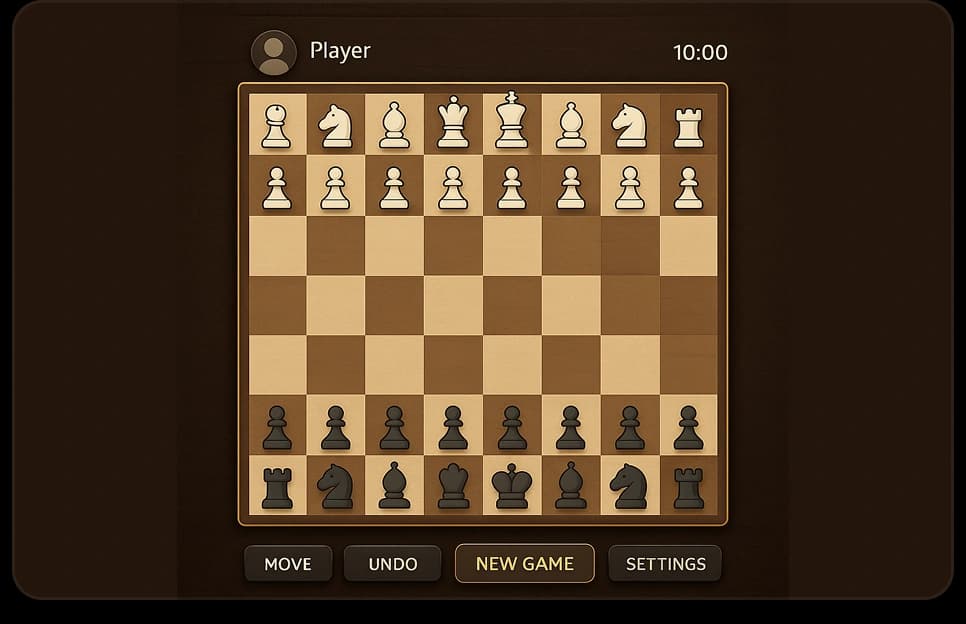
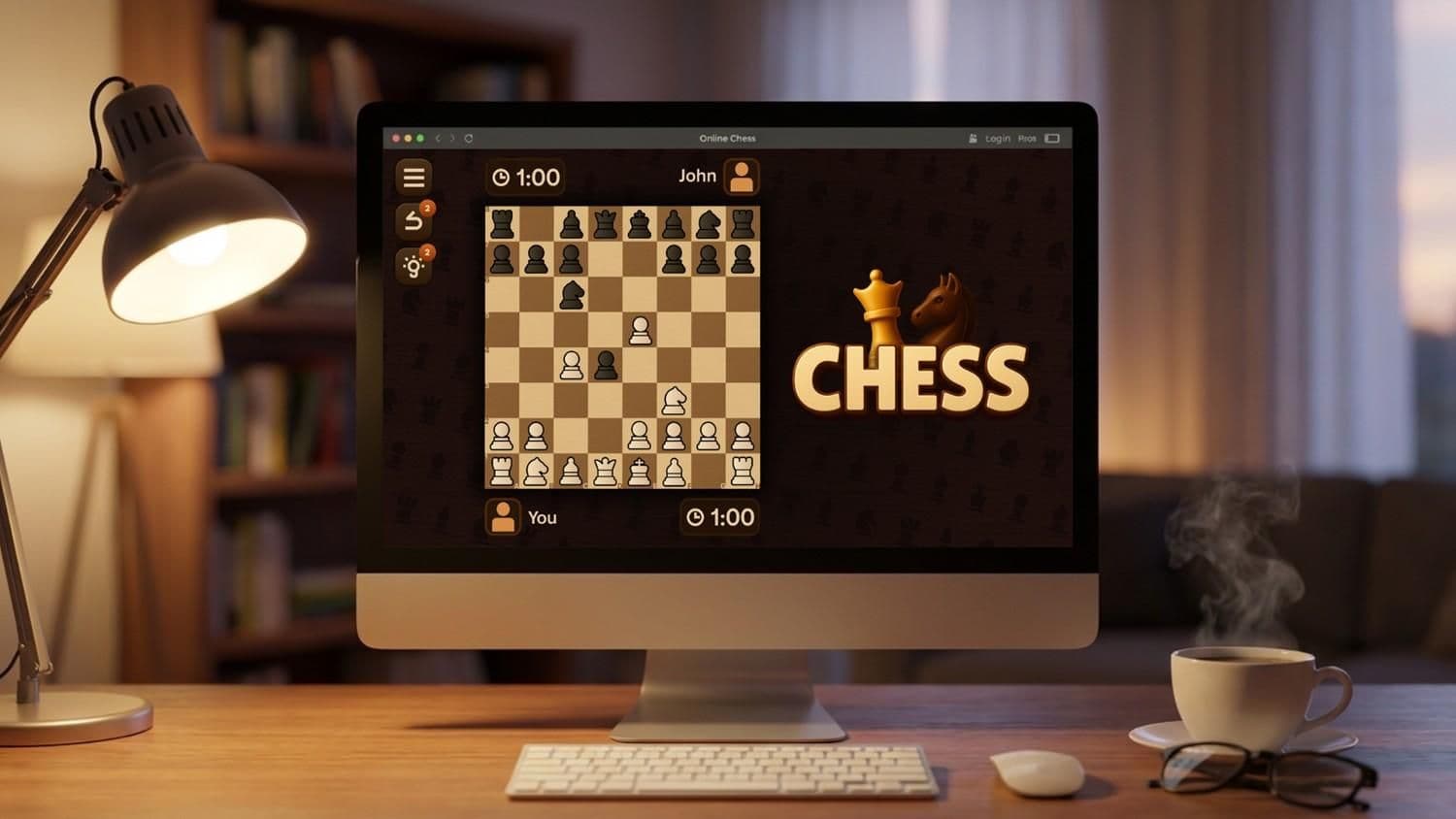
Baltic Defense is a harmless and violent means of Black retaliating against the Queen Gambit. Rather than making safe moves, Black makes a move, Bf5, on 2 to be able to take the center pawn of White immediately, which you can use while playing chess online.
The Baltic Defense, also known as the Garu Defense, or the Sahovic chess opening, is a chess opening that produces sharp, tactical play and is effective in fast games and at the club level. It has even been used by some of the best players, such as Magnus Carlsen, to win.
Table of contents
- What Is the Baltic Defense in Chess?
- Baltic Defense Main Ideas and Strategic Goals
- Baltic Defense Chess Move Order (Step by Step)
- Core Plans for Black in the Baltic Defense
- Typical Reactions from White — and How Black Should Respond
- Pros and Cons of the Baltic Defense
- When to Play the Baltic Defense (Player Type & Time Controls)
- Famous Baltic Defense Games and Model Examples
- Final Thoughts: Baltic Defense Strengths and Strategic Identity
What Is the Baltic Defense in Chess?

The Baltic Defense is one of the great chess openings for a black piece against the Queen's Gambit. It starts with 1.d4 d5 2.c4 Bf5! Black doesn't wait around. Black battles move 2, and White has to make a decision. The Baltic Defense chess opening is related to other concepts in the Queen's Gambit; however, it is much stronger.
Baltic Defense, Sahovic Defense, and Garu Defense are all equivalent. It was popularised in various locations by players whose names inspired the names.
Baltic Defense Main Ideas and Strategic Goals

When Black plays ...Bf5 on move 2, Black attacks White's c4 pawn immediately and forces White to respond instead of following their own plan. Black wants dynamic, fighting positions, not passive defense. This aggressive approach catches many opponents by surprise because they expect Black to play ...e6 or ...c6.
Black trades safe, slow development for immediate pressure on White's center. Yes, the bishop moves early, but it fights directly for critical squares. Black's strategy is simple: create problems from move 2 and keep fighting throughout the game.
In rapid chess and club tournaments, this surprise factor creates real winning chances. Opponents don't expect unusual moves and often panic under time pressure. This psychological advantage helps Black win games, especially at ratings below 1800.
Baltic Defense Chess Move Order (Step by Step)
The most popular way Baltic Defense develops is: 1.d4 d5 2.c4 Bf5 3.Nc3 e6 4.Nf3 Nf6 5.a3 Nbd7
There are several choices White has after 2...Bf5. The most prevalent is 3.Nc3, which develops the knight. Black reacts with 3...e6, stabilizing the center. The other possibility is 3.cxd5, in which White takes the d5 pawn. Black responds 3...Qxd5, placing the queen on d5, and it is now very active.
The third possibility is 3.Qb3, which attacks Black's pawn on b7. Black does it with 3...a6, anticipating advancing the b-pawn in the future.
The plans of White are: to develop knights to f3 and c3, to play e3 to serve the center, castling on the kingside, and then to extend on the queenside or f4.
Black has more aggressive chess opening plans: to consolidate the middle with e6, bring knights to d7 and f6, get his kingside castles quickly and offer counterplay by beating back pawns, such as...c5 or...b5.
Core Plans for Black in the Baltic Defense
After 2...Bf5, Black's development should follow a clear plan. First, play ...e6 to support the d5 pawn. Second, develop knights by playing ...Nd7 and ...Nf6. Third, castle kingside quickly for king safety. Fourth, play ...c6 for queenside stability. Fifth, create activity with ...c5 or ...b5 pawn breaks when the moment is right.
The knight on d7 supports the center and prepares ...c5. The knight on f6 controls central squares like e4 and d5. Later, Black might move the knight to b6 (attacking d5) or e4 (centralizing its powerfully).
Black balances solid defense with an active counterattack. The ...c5 pawn break challenges White's center from below. The ...b5 pawn break attacks the c4 pawn from the queenside. Black is not just defending passively; Black is preparing to attack and create problems for White.
Typical Reactions from White — and How Black Should Respond
White 3.Nc3 is the most popular when played. There are some good answers of Black. The primary continuation is 3...e6, which is good and sound. Occasionally Black 3...Nbd7, with all the flexibility.
In the case when White plays 3.Qb3 and attacks b7, Black will protect and prepare counterplay with 3...a6 or 3...c6.
In the case of White taking with 3.cxd5, Black takes 3...Qxd5, which puts the queen in the center. This appears weird in move 3, but the active queen is usually compensating for the lost pawn.
Pros and Cons of the Baltic Defense
There have always been some pros and cons of any chess opening, and here we are going to check out the ones for the Baltic Defense chess opening.
Advantages:
The Baltic Defense surprises opponents who expect a slow Black defense. This surprise factor gives Black a practical advantage in rapid games and club tournaments. The opening avoids heavy opening theory; unlike sharper gambits such as the Albin Counter Gambit, you don't need to memorize 25 moves of forced variations. Instead, you just understand the main ideas.
This makes Baltic Defense perfect for club players who don't want to study theory endlessly. The opening creates complications quickly, making it hard for White to calculate everything under time pressure.
Disadvantages:
The bishop moves early, so Black feels slightly behind in piece development until move 5 or 6. If Black plays inaccurately, weak squares appear on d5 and e6 where White can place strong knights. The Baltic Defense requires accurate play, not just reasonable moves. When White is well-prepared, the advantages fade. Strong 2100+ players know the correct responses and can slowly build advantages. The surprise factor disappears against preparation.
When to Play the Baltic Defense (Player Type & Time Controls)
Baltic Defense is excellent in blitz and rapid chess because time pressure helps Black. When opponents don't have time to think deeply, they make mistakes. The surprise factor creates immediate problems that are hard to solve under pressure. However, in classical games with 60+ minutes per side, the opening becomes more difficult.
Strong opponents use extra time to find accurate responses, and Black's advantage disappears. So Baltic Defense chess works best for rapid and blitz, less reliable for classical players. However, you can even use the Slav Defense chess opening.
You should try Baltic Defense if you're a club player (1200-1800 rating) who likes fighting positions. Use it if you prefer rapid and blitz over classical chess. Use it if you want to avoid heavy opening theory. Play it if you want to confuse opponents and create complications.
When you play Baltic Defense in a club tournament, psychology matters! Play your moves confidently, even though they're unusual. Your opponent might get nervous trying to refute your opening. You'll reach comfortable middlegame positions while your opponent is still calculating.
Famous Baltic Defense Games and Model Examples
Magnus Carlsen has played the Baltic Defense in official tournaments and achieved good results. His games show solid Black play with practical chances to create counterplay. If one of the world's best players trusts this opening, it shows Baltic Defense is sound and playable for everyone.
Professional players use the Baltic Defense occasionally, proving it's legitimate. Chess engines don't refute it; they evaluate it as roughly equal. This tells us Baltic Defense is not about forcing a win. Instead, it's a practical, fighting opening that creates winning chances for both sides. This rewards understanding and practical play, not memorization.
Final Thoughts: Baltic Defense Strengths and Strategic Identity
The Baltic Defense combines aggressive early play with solid defense and practical chances. Black doesn't play passively. Instead, Black fights immediately and creates problems from move 2. This opening is about creating dynamic, unbalanced positions where both sides play for a win.
Try Baltic Defense in your next rapid chess game on chess.com or Lichess. Play it in your club tournament. Test your opponents with...Bf5 and watch the response. Although you lose, you will have a lot to learn since you will be exposed to the activities of pieces and the breaking of pawns in the middle game. Confidence comes through practice, and the games are won through confidence.
FAQs
- Yes, Baltic Defense is completely sound and reliable. Chess engines don't find any refutation. Professional players use it, proving it's legitimate. It's fully playable and gives both sides equal chances to win.
- The main line is: 1.d4 d5 2.c4 Bf5 3.Nc3 e6 4.Nf3 Nf6 5.a3 Nbd7. This sequence gives Black a solid, flexible position with active pieces. Black fights immediately and avoids passive responses.
- After 3.Nc3, Black plays 3...e6, supporting the d5 pawn. Black then develops with ...Nf6 and ...Nbd7. Black prepares pawn breaks like ...c5 or ...b5. This solid approach gives Black flexible counterplay.
- Absolutely. Baltic Defense is excellent in rapid and blitz games. The surprise factor and complications make it hard for opponents to play under time pressure. It's less effective in classical games where opponents have time to prepare.
Albin Counter Gambit: Sharp Chess Opening Guide
Explore the Albin Counter Gambit in depth with opening theory, positional ideas, critical variations, and practical advice for both White and Black. Learn the plans today.
Dutch Defense: Aggressive Ideas and Winning Plans
Master the Dutch Defense chess opening and learn how to win with 1…f5. Explore attacking plans, structures, and practical strategies now.
Queen’s Indian Defense: Theory, Ideas & Main Lines
Queen’s Indian Defense explained with simple ideas, common variations, and practical tips. Discover how to play this powerful chess opening for Black.
Baltic Defense: Aggressive Chess Opening Explained
Discover the Baltic Defense in chess with clear explanations, key plans, and tactical traps. Improve your opening play and surprise rivals today.
Chigorin Defense: Key Ideas, Theory & Traps
Learn the Chigorin Defense with key ideas, main lines, traps, and strategy tips. Discover how Black creates active play against 1.d4.