Bird Opening in Chess: A Complete Guide to Strategy and Variations



Albin Counter Gambit: Sharp Chess Opening Guide
Explore the Albin Counter Gambit in depth with opening theory, positional ideas, critical variations, and practical advice for both White and Black. Learn the plans today.

Dutch Defense: Aggressive Ideas and Winning Plans
Master the Dutch Defense chess opening and learn how to win with 1…f5. Explore attacking plans, structures, and practical strategies now.

Queen’s Indian Defense: Theory, Ideas & Main Lines
Queen’s Indian Defense explained with simple ideas, common variations, and practical tips. Discover how to play this powerful chess opening for Black.

Baltic Defense: Aggressive Chess Opening Explained
Discover the Baltic Defense in chess with clear explanations, key plans, and tactical traps. Improve your opening play and surprise rivals today.

Chigorin Defense: Key Ideas, Theory & Traps
Learn the Chigorin Defense with key ideas, main lines, traps, and strategy tips. Discover how Black creates active play against 1.d4.

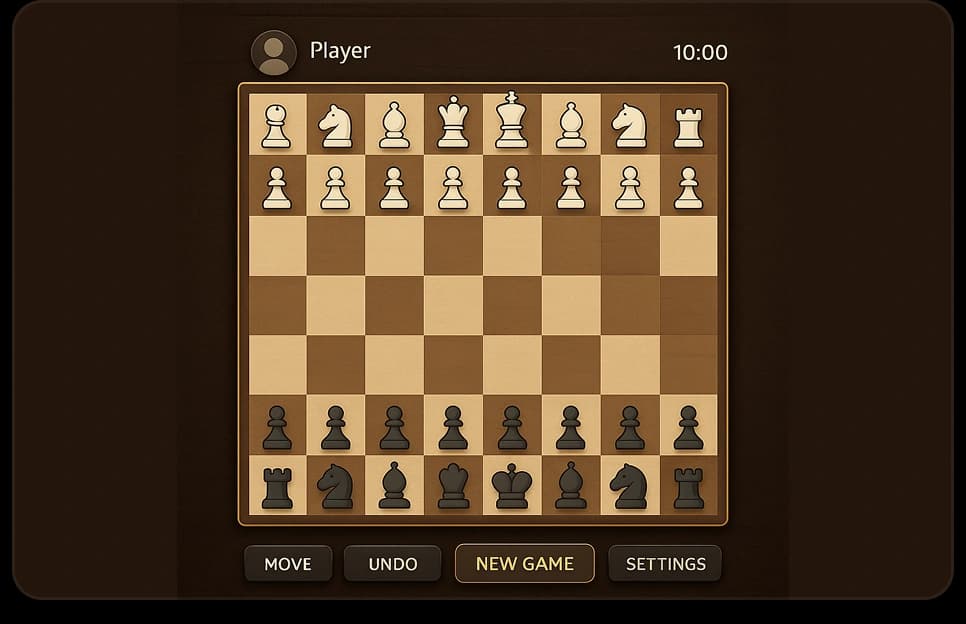
Tired of sticking to the same old chess openings like 1.e4, or 1.d4? Are you also looking for something that's a little offbeat, yet sharp and aggressive? Bird Opening is here. It’s a powerful surprise weapon that actually begins with 1.f4. Moreover, it’s rarely seen at beginner levels, but it packs serious potential in the hands of prepared players.
The Bird Opening aims for early kingside control and often leads to dynamic attacking positions and tricky tactics your opponent may not expect. Good examples of these tactical ideas are covered in our guide to chess tactics for beginners.
It’s actually inspired by the Dutch Defense chess opening (but played with the white pieces), the opening gives you the initiative from move one. In this guide, we’ll walk you through how to play Bird Opening, its key strategies, move orders, common variations, and why it deserves a place in your repertoire.
Table of contents
What is Bird’s Opening in Chess?
The Bird Opening starts with the move 1.f4 and is a great choice if you want to surprise your opponent and take control of the chess game earlier. This move aims in order to control the center, especially the e4-square, and sets up an aggressive kingside attack.
When it comes to its name, it is actually named after Henry Bird, a 19th-century English player who frequently used this opening in tournaments. The Bird Opening is similar to the Dutch Defense, but the reversed colors, so White gets to play the same ideas first.
It’s not truly very common, which makes it a strong surprise weapon, especially in blitz, rapid, or even casual games.
If you're still exploring chess fundamentals, don't miss our guide on chess openings for beginners.
How to Play Bird’s Opening?
The Bird Opening isn’t just about playing 1.f4. Over and above that, it’s about building a strong, flexible setup that controls the center and prepares for a powerful kingside attack. Here’s how:

Discover the strongest openings for White and dominate right from move one.
Main Goals: Control e5 and Attack the Kingside

The main purpose of this move is to occupy the square e5, and prevent Black from occupying the square. This also assists White in establishing active play on his kingside, which is usually followed by powerful attacking opportunities.
Typical Development: Nf3, g3, Bg2, d3, e3

This is a straightforward but efficient setup. Knight to f3 emphasises central control, and g3 and bg2 fianchetto power on a long diagonal. The d3 and e3 pawns are also together to fortify the center ,but also provide options in the future.
Pawn Structures: Stonewall Style or Flexible Center
You might do a stonewall with a pawn on f4, e3, d4 and c3 to provide good control and defense. Or, be flexible with e3 and d3, following your opponent position, and permit the attack and defense.
When to Play e4 and When to Avoid It
Play e4 if you’ve fully developed and have control over the center; it actually adds strong pressure. Avoid it early if your king is still in the center, or even if Black can easily counter it.
Strategy Tips: When to Castle Short and When to Delay
Generally, it’s safe and smart in order to castle kingside early to keep your king safe and start your rook’s activity. But if you’re under no pressure, delaying castling can truly help you keep options open and surprise your opponent.
Most Common Variations and Setups

Once you better comprehend the basics of the Bird Opening, it’s helpful to know the common setups and variations that can arise. These ideas will help you handle the different replies from Black and choose your preferred playing style. Here are the most common variations and setups:
Standard Line: 1.f4 Nf6 2.Nf3 g3 3.g3 Bg7
This is the most natural development in the Bird. White focuses on quick development and kingside fianchetto (Bg2), while Black frequently mirrors with a King’s Indian-style setup. This line leads to flexible, balanced play where both sides aim for slow buildup and center control.
Stonewall Bird: f4, d4, e3, Nf3, Bd3
The Stonewall setups give you a strong and solid center. With pawns on dark squares and pieces behind them, it becomes hard for Black to break through. This is a great option if you prefer simple, closed positions and want to launch a kingside attack later moves like Qe1-Qh4.
From’s Gambit: 1.f4 e5!?
This is the most aggressive response from Black and offers a gambit right from move one. If White captures with fxe5, Black can quickly gain activity and pressure. Be careful: traps are common here. Learning a few safe lines can truly help you survive and counterattack effectively.
Love sharp lines? Explore more aggressive chess openings that can catch your opponent off guard.
Transpositions into the King’s Indian Attack or English
The Bird is sometimes playable into other setups, even transposing into complex chess openings like the English or King’s Indian Attack. With c4 later, it can even resemble the English Opening. The versatility of the Bird Opening makes it a practical choice for players who prefer variety.
How to Counter the Bird Opening?

How to Counter the Bird Opening (as Black)
Facing the Bird chess Opening Black can be tricky if you’re unprepared. But with the right setups along with a few ideas, you can easily take control of the position while avoiding early pitfalls. Here’s how to respond effectively:
From’s Gambit Explained: 1.f4 e5!?
This is one of the most direct and aggressive replies to the Bird Opening. By playing 1…e5, Black offers a gambit. If White captures with fxe5, Black can quickly develop with threats like …d6, …Nc6, and …Qh4+. It leads to open, tactical games and is a strong choice if you enjoy sharp positions. However, it needs preparation in order to avoid getting worse in the endgame.
Solid Setups: 1...d5 or 1...Nf6 with Classical Development
If you prepare a more solid and positional approach, try 1…d5 or 1…Nf6. These moves exactly help control the center and allow natural development. Black can continue with …e6, …Be7, …O-O, and …c5, building a classical setup. This method is safer, avoids early traps, and frequently leads to equality or better.
How to Exploit Weak Light Squares
In the Bird Opening, White often weakens light squares, especially e1–h4 and d3. Black can even aim these squares by placing pieces like bishops and knights on active diagonals, while White should avoid drifting into bad chess openings. For example, placing a bishop on g4, or even a queen on h4 (after ...Qh4+ in From’s Gambit) can really be dangerous for White if they’re not careful.
Avoiding Bird Traps (Common Mistakes to Watch Out For)
- Don’t grab pawns blindly in From’s Gambit; some are poisoned.
- Don’t develop your queen too early; it can become a target.
- Avoid castling too quickly if the center is unstable.
- Watch for tricky queen lifts by White (like Qe1-Qh4).
Staying calm, sticking to principles, and avoiding premature attacks will truly help you neutralize the Bird easily.
Conclusion: Should You Play the Bird?
The Bird Opening is perfect for aggressive, creative players who truly enjoy catching opponents off guard. It works especially well in blitz or rapid games, and against opponents who stick to standard replies.
So, if you love replies, flexible, attacking play, give it a try, experiment, study classic Bird games, and add this unique weapon to your opening toolkit.
If you enjoy exploring non-mainstream strategies, you may also like our breakdown of the most complicated chess openings.
FAQs
- The Bird Opening begins with the move 1.f4 and is a unique and aggressive opening for White. It aims to control the e5 square and often leads to a kingside attack. Inspired by the Dutch Defense but with reversed colors, it surprises opponents, especially in blitz or casual games.
- While the Bird Opening is less common at the beginner level, it can be an interesting and dynamic choice for players who want to break free from traditional openings. It requires some preparation and understanding of the principles, but with practice, beginners can use it to develop an aggressive and flexible strategy.
- The Bird Opening focuses on controlling the e5 square and creating opportunities for a kingside attack. Typical strategies include developing the knight to f3, fianchettoing the bishop with g3 and Bg2, and considering a flexible pawn structure to adapt to the opponent’s moves. Timing castling and managing the center are also key.
- Popular variations include the Standard Line (1.f4 Nf6 2.Nf3 g3 3.g3 Bg7), which leads to a balanced, flexible position, and the Stonewall Bird, where pawns on f4, e3, d4, and c3 create a strong center. There's also From's Gambit (1.f4 e5), an aggressive line where Black sacrifices a pawn for rapid development.
- To counter the Bird Opening, Black can respond with solid moves like 1...d5 or 1...Nf6, followed by natural development. Another aggressive option is From's Gambit (1.f4 e5), where Black sacrifices a pawn to seize the initiative and create tactical chances. Knowing these responses helps avoid early traps and seize control of the game.
- Common mistakes in the Bird Opening include grabbing pawns too hastily, particularly in From’s Gambit where pawns may be poisoned. Developing the queen too early or castling prematurely without proper central control can also backfire. Staying calm and sticking to solid principles helps avoid these traps.
Albin Counter Gambit: Sharp Chess Opening Guide
Explore the Albin Counter Gambit in depth with opening theory, positional ideas, critical variations, and practical advice for both White and Black. Learn the plans today.
Dutch Defense: Aggressive Ideas and Winning Plans
Master the Dutch Defense chess opening and learn how to win with 1…f5. Explore attacking plans, structures, and practical strategies now.
Queen’s Indian Defense: Theory, Ideas & Main Lines
Queen’s Indian Defense explained with simple ideas, common variations, and practical tips. Discover how to play this powerful chess opening for Black.
Baltic Defense: Aggressive Chess Opening Explained
Discover the Baltic Defense in chess with clear explanations, key plans, and tactical traps. Improve your opening play and surprise rivals today.
Chigorin Defense: Key Ideas, Theory & Traps
Learn the Chigorin Defense with key ideas, main lines, traps, and strategy tips. Discover how Black creates active play against 1.d4.