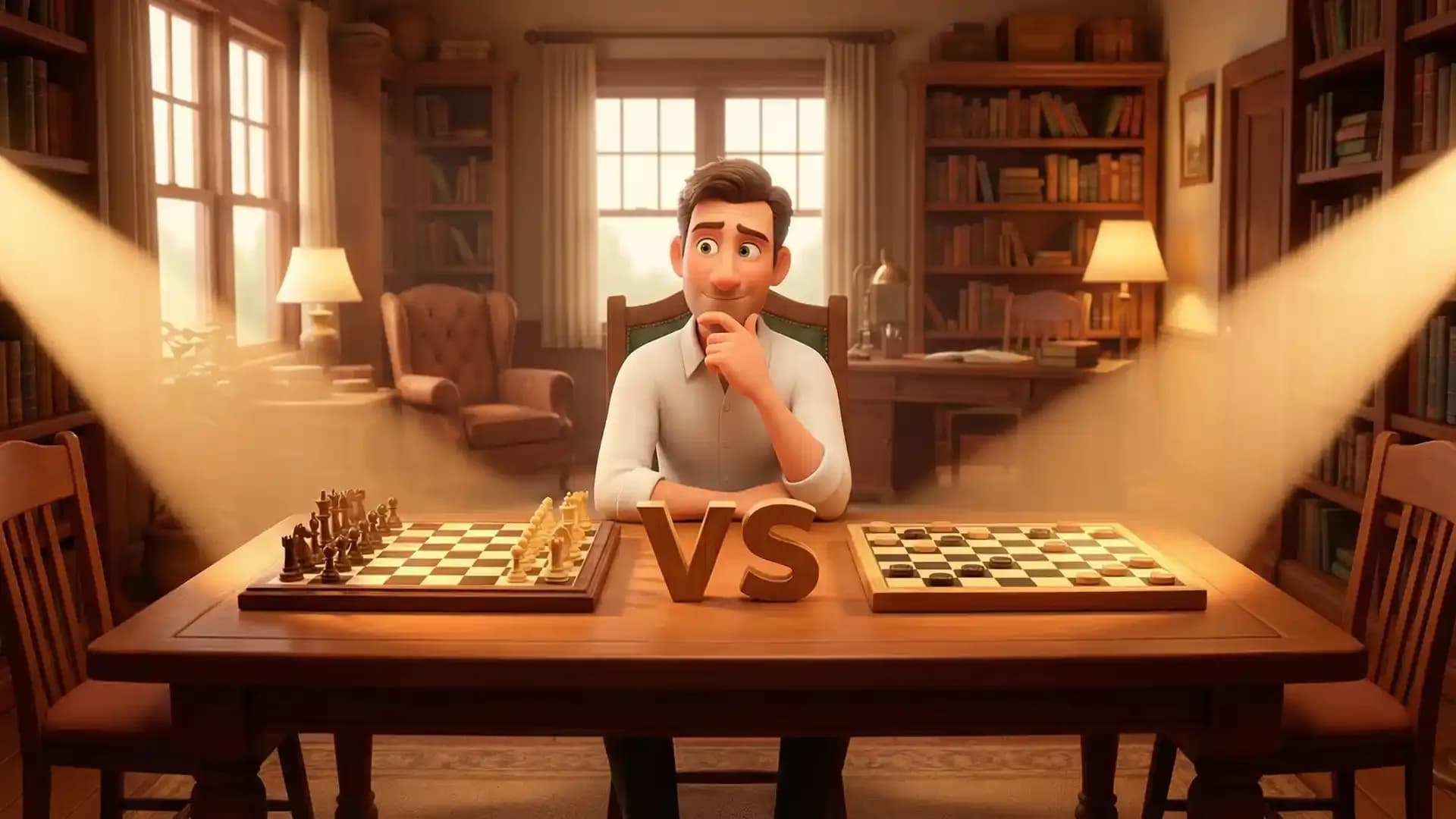
How Well Do AI Opponents Mimic Human Mistakes? Play Chess Against Computer Smarter

Chess.Game Growth Explained: The Most Popular New Chess Platform
Discover how Chess.Game reached 1.5M monthly users and became the most popular new chess platform with free learning and smart matchmaking.
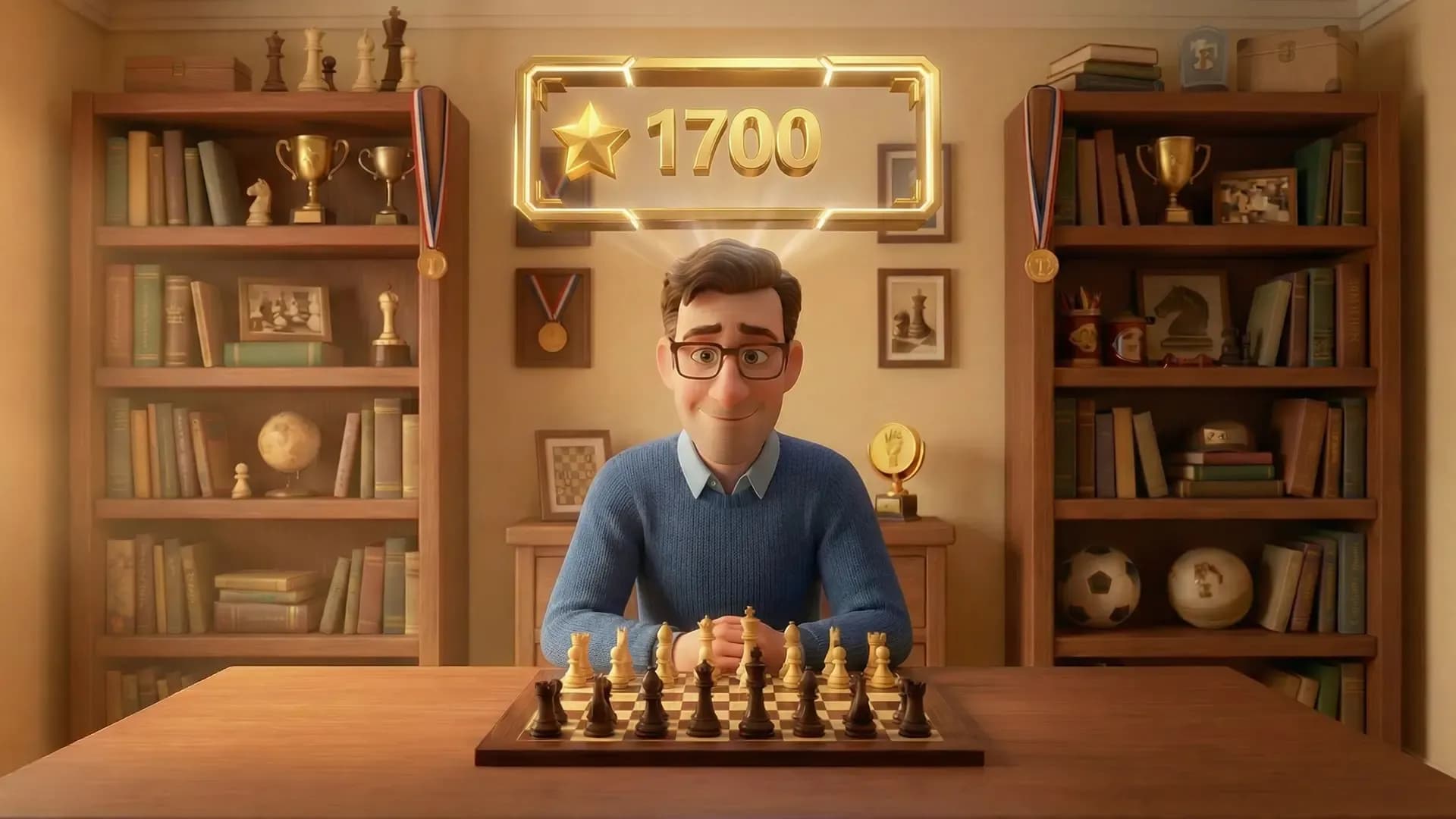
What Is a Good Chess Rating? Complete Guide for Beginners to Experts
What is a good chess rating? Learn what 800, 1000, 1200, and 1600 ratings mean, plus average chess ratings and how to improve fast.
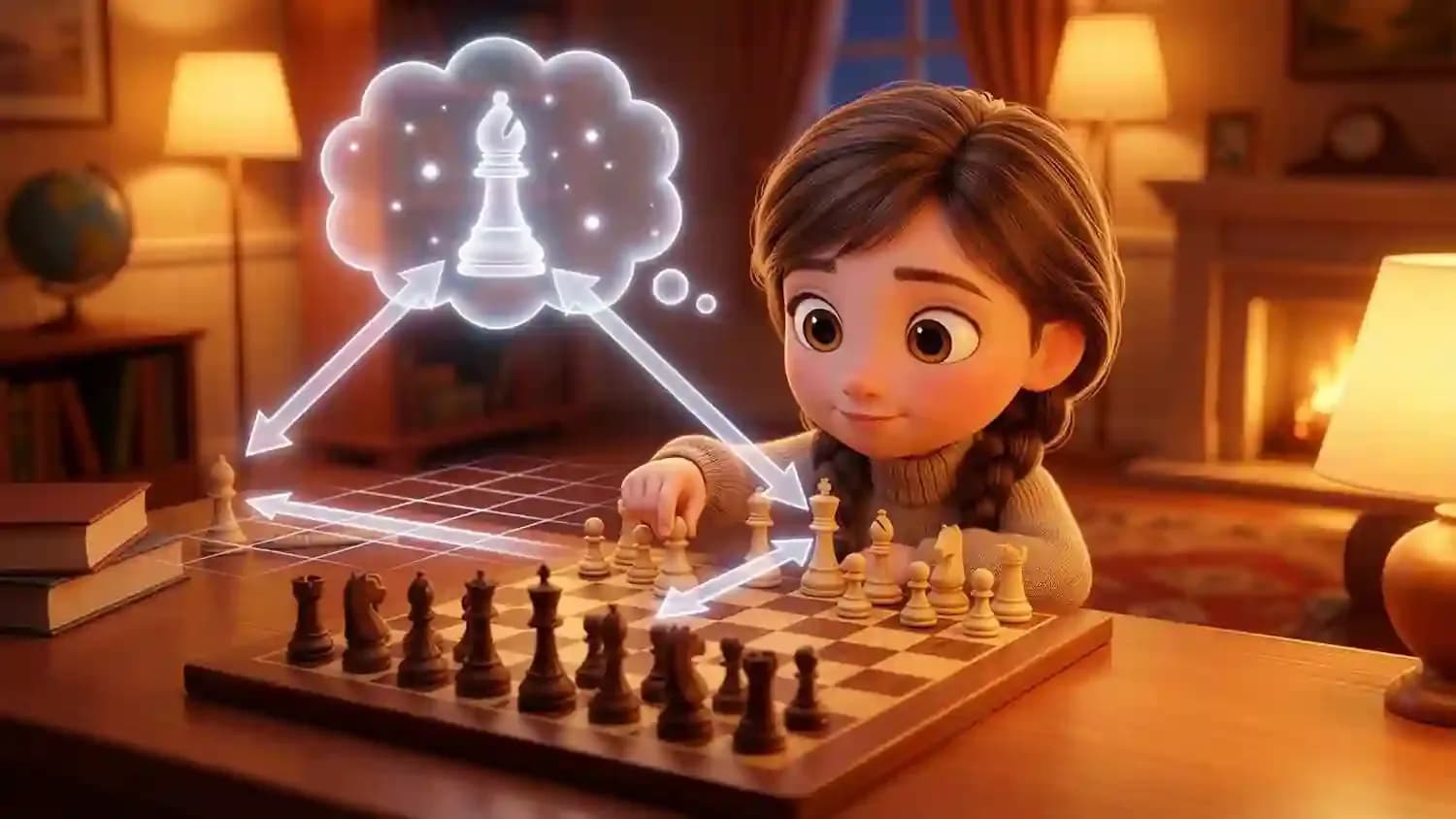
Chess Pieces That Can Move Diagonally
Which Chess Pieces Can Move Diagonally? Rules Explained
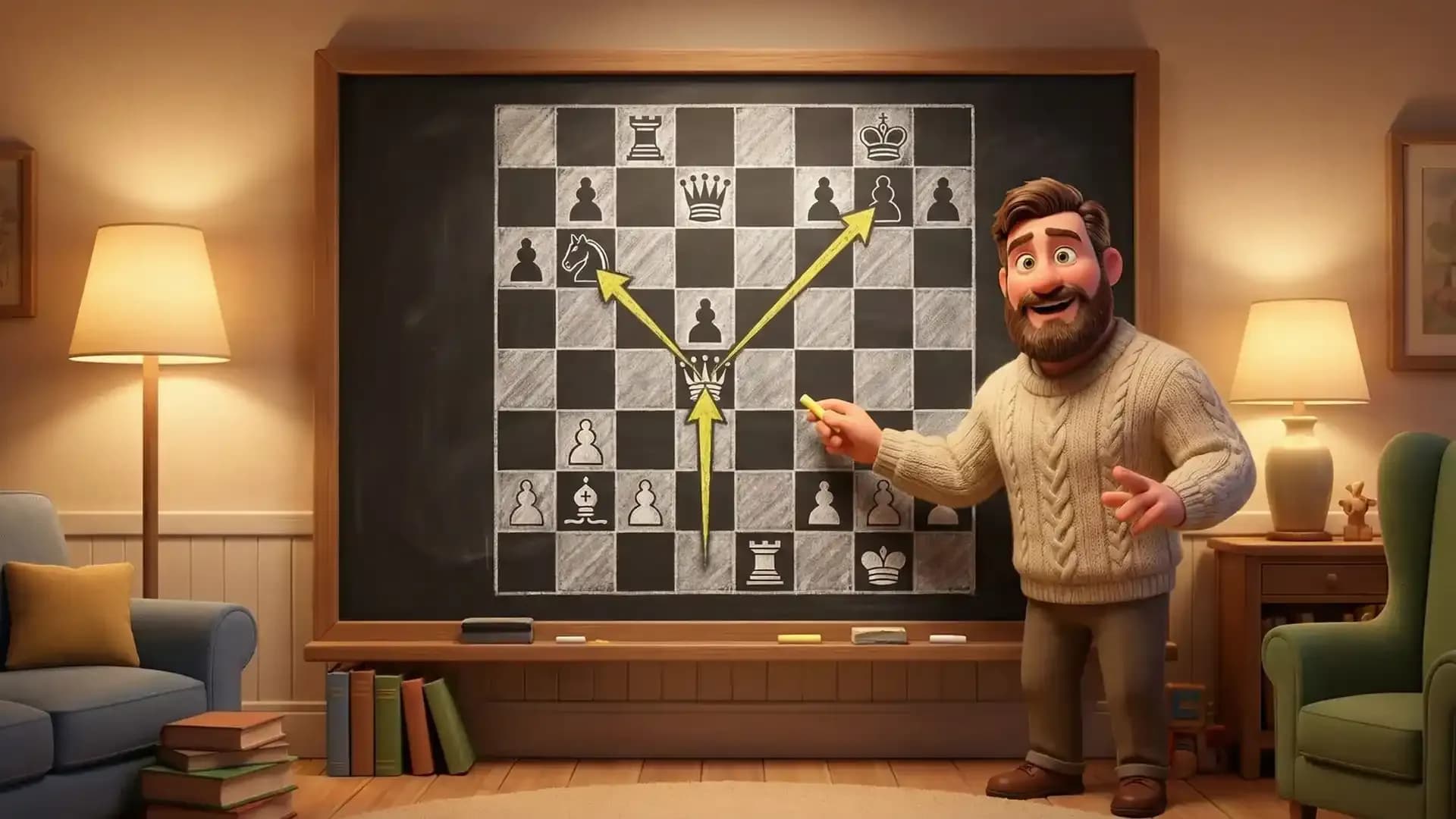
What Is a Fork in Chess? Meaning & Examples
What Is a Fork in Chess and why is it so powerful? Find out how to create deadly double attacks, trap major pieces, and start winning more games today.

10 Greatest Chess Players in History Who Changed the Game
Explore the 10 Greatest Chess Players ever, from classical masters to modern geniuses. Learn their achievements, styles, and lasting impact—start reading now.

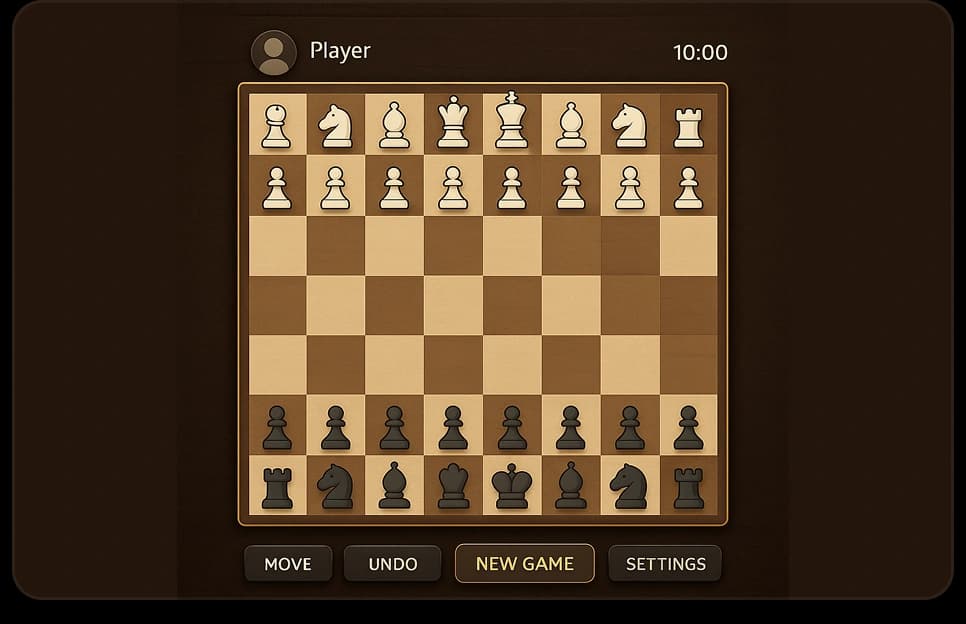
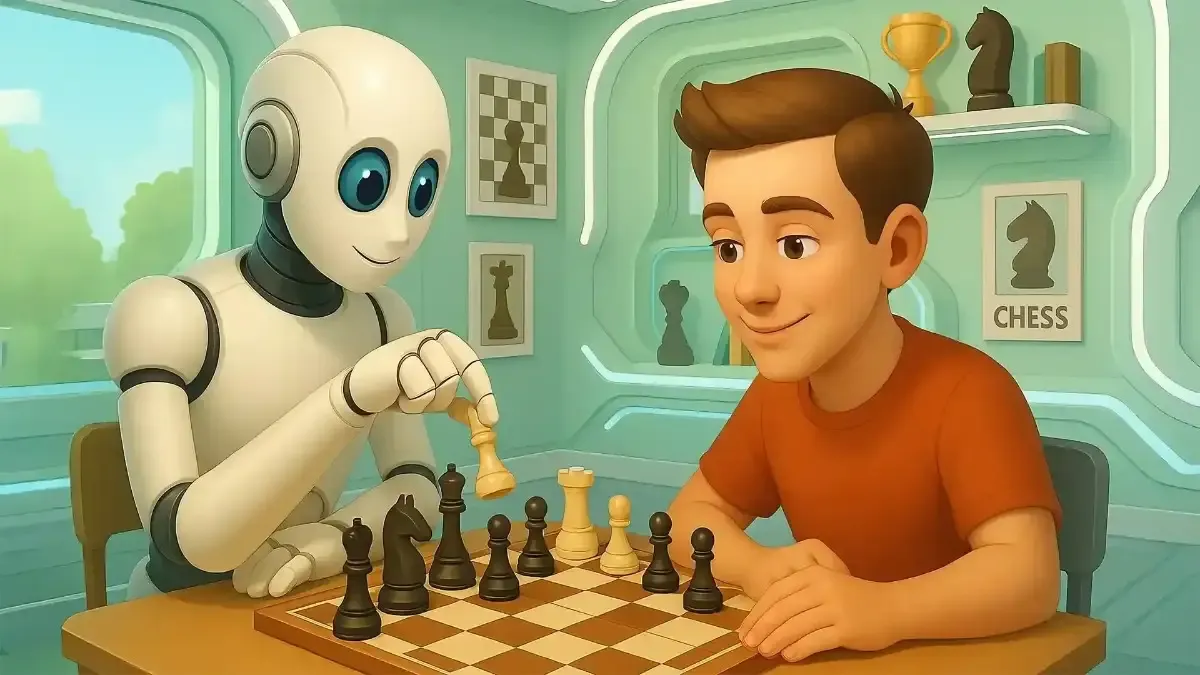
When you play chess against a computer, you might think it always plays perfectly. However, in reality, AI chess behavior vs human play is actually more complex. Imagine playing tennis against a robot that sometimes misses shots just like a human player; this is how advanced chess programs mimic human mistakes.
This “human-like” imperfection in AI really helps learners practice in a way that feels natural and less frustrating. In this blog, we’ll explore how AI opponents intentionally make mistakes just like humans, what that matters in order to improve your chess skills, and how you can perfectly use this knowledge to play chess against computers smarter.
Whether you’re a beginner or even an intermediate player, understanding this will help you get the most out of your games against AI and take your skills to the next level.
Table of contents
Understanding AI Chess Behavior vs Human Play

What is AI Chess Behavior?
The AI chess behavior is the behaviour of computer programs known as chess engines that analyze and actually play chess. To calculate the best moves, these engines have a complex algorithm and a massive database of chess positions.
AI is not like humans, who base it on natural understanding and experience but AI takes on the computational power and pattern recognition method. Recognizable chess engines are the Stockfish or AlphaZero, which have access to millions of positions being tested per second in order to make moves that are more likely to maximize winning possibilities.
How Do Humans Generally Play Chess?
Human depends on a combination of strategy, natural understanding, experience, and calculation, which truly brings unique strengths and weaknesses:
- Strengths: Creativity, long-term planning, understanding of patterns, psychological play,
- Typical Mistakes: Mistakes, overlooking threats, time pressure errors, along with misjudging positions due to limited calculation ability.
Key Differences Between AI and Human Play:
- AI is Logical and Flawless: It calculates millions of moves ahead without even tiring, or emotional bias.
- Humans are Intuitive and Error-Prone: Decisions often involve guesswork, immediate sense, and sometimes mistakes.
But Modern AI Can Simulate Human-Like Errors, Why and How?
- Chess engines can be programmed to play different difficulty levels by intentionally making mistakes or even limiting their own calculation depth.
- This “human-like” imperfection actually makes the AI less stressful and more realistic for all the learners.
- By copying common human errors, AI opponents provide a more practical training experience and help players recognize and exploit typical mistakes.
Why Mimicking Human Mistakes Matters for Learners?

Psychological Comfort:
AI chess behavior vs human play that includes human-like mistakes makes the opponent feel relatable, and it reduces frustration and encourages learners to be motivated during challenging games.
Realistic Learning Environment:
Whenever AI makes human-like errors, players actually face situations similar to real human games, which helps them improve their inner sense and sharpen decision-making skills naturally and effectively.
Avoiding Overwhelm from Perfection:
Learning can even be more difficult when the beginners are frustrated with playing against the computer that has perfect AI. But, the fact that mistakes in AI will be human-like makes it a balanced challenge that develops a sense of confidence steadily.
Effective Practice Through Tailored Difficulty:
AI opponents that replicate common human mistakes can be varied in their difficulty, and allow learners a practice environment that is actually suited to their ability.
Building Strategic Awareness:
AI mistakes that can be encouraged and capitalized on help teach players to identify typical mistakes and improve their strategies, closing the precise gap between computer-like gameplay and human gameplay.
How to Play Chess Against Computer Smarter

To play chess against computers smarter, you’ve to understand how AI actually copies human mistakes. Adjust your strategy, spot errors, and use analysis tools in order to improve your game effectively and build real skills.
Adjust Your Strategy Against Human-Like AI:
When playing AI that perfectly mimics human errors, adapt by focusing on positional play and tactics, just as you would against a human, rather than expecting flawless moves every time.
Recognize and Capitalize on AI Mistakes:
Learn to spot common AI errors, such as blunders or even weak positional moves. Use these opportunities in order to gain a material advantage or improve your board control effectively.
Avoid Over-Reliance on AI Perfection:
Don’t expect AI to play perfectly every time. This thinking can create unrealistic standards. Accepting its mistake helps you develop patience, critical thinking, along with practical problem-solving skills.
Use AI Analysis Tools Post-Game:
Review your games with AI analysis in order to identify both your mistakes and the AI’s several blunders. This insight truly helps you understand your weakness and how to exploit errors in future matches.
Choose Platforms with Customizable AI Difficulty:
Play on chess sites like Chess.game, or Chess.com that offer adjustable AI difficulty levels simulating human play. This helps customize practice sessions to your skill and learning goals. Device compatibility also matters, and many users look for the best chess app for smooth gameplay.
How Chess.game Makes Playing Against AI Smarter and More Fun

Chess.game is an innovative online platform that is exactly designed to help you improve by playing against AI opponents that don’t just play perfectly, but they also play like humans, compete with typical mistakes, and make unpredictable moves. Here’s a closer look to why Chess.game is a fantastic choice for learners:
- AI That Plays Like Humans: Its AI is specifically programmed in order to introduce realistic errors, such as missed tactics and strategic slips. This truly creates a more natural and engaging experience and allows you to practice skills that actually matter in real games.
- User-Friendly Interface: It has a straightforward interface, and this feature is ideal for both new and advanced players. It is easy to get started in a game and even specify your AI custom opponent difficulty at your level.
- Smart Post-Game Analysis: The platform will give you thorough feedback after every march in which you will be shown both what you did wrong and what AI did wrong. This is a twofold thinking that makes you more informed and increases your decision-making capabilities.
- Accessible Anywhere, Anytime: Accessible on various devices, Chess.game allows one to train any time convenient to them, thus, one can develop their skills gradually without even stress.
Conclusion
Playing against AI that mimics human mistakes is key to learning chess effectively. Chess.game offers a unique experience with realistic AI behavior, smart analysis, along with easy accessibility, and makes it perfect for all skill levels.
Start practicing on Chess.game today to play smarter, improve faster, and enjoy a more natural chess learning journey.
Chess.Game Growth Explained: The Most Popular New Chess Platform
Discover how Chess.Game reached 1.5M monthly users and became the most popular new chess platform with free learning and smart matchmaking.
What Is a Good Chess Rating? Complete Guide for Beginners to Experts
What is a good chess rating? Learn what 800, 1000, 1200, and 1600 ratings mean, plus average chess ratings and how to improve fast.
Chess Pieces That Can Move Diagonally
Which Chess Pieces Can Move Diagonally? Rules Explained
What Is a Fork in Chess? Meaning & Examples
What Is a Fork in Chess and why is it so powerful? Find out how to create deadly double attacks, trap major pieces, and start winning more games today.
10 Greatest Chess Players in History Who Changed the Game
Explore the 10 Greatest Chess Players ever, from classical masters to modern geniuses. Learn their achievements, styles, and lasting impact—start reading now.