Strong and Reliable Openings for Black Against 1.d4



Albin Counter Gambit: Sharp Chess Opening Guide
Explore the Albin Counter Gambit in depth with opening theory, positional ideas, critical variations, and practical advice for both White and Black. Learn the plans today.

Dutch Defense: Aggressive Ideas and Winning Plans
Master the Dutch Defense chess opening and learn how to win with 1…f5. Explore attacking plans, structures, and practical strategies now.

Queen’s Indian Defense: Theory, Ideas & Main Lines
Queen’s Indian Defense explained with simple ideas, common variations, and practical tips. Discover how to play this powerful chess opening for Black.

Baltic Defense: Aggressive Chess Opening Explained
Discover the Baltic Defense in chess with clear explanations, key plans, and tactical traps. Improve your opening play and surprise rivals today.

Chigorin Defense: Key Ideas, Theory & Traps
Learn the Chigorin Defense with key ideas, main lines, traps, and strategy tips. Discover how Black creates active play against 1.d4.

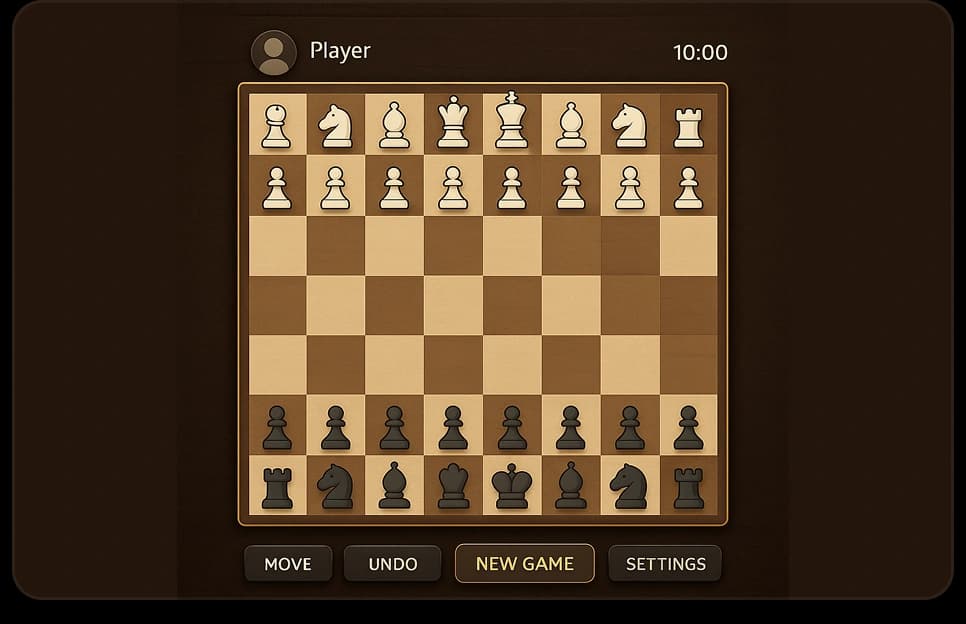
The move 1.d4 is one of the most popular choices for White, especially among positional players who actually aim in order to control the center, develop steadily, and apply long-term pressure to force the opponent to make mistakes in chess.
As Black, if you’re not prepared, it’s easy to end up in passive or inferior positions. That’s why choosing the best chess opening for Black against 1.d4 is essential.
It’s not just to survive the early game, but also to fight equality, or even seize the initiative. No matter if you’re just a beginner or an experienced club player, having the right openings in your repertoire can give you confidence and consistency.
In this blog, we’ll explore 7 best openings for Black against d4, including strategies, traps, pros and cons, along with suggestions based on your playing style.
Table of contents
Why Do You Need a Good Black Opening Against d4?
The move 1.d4 is a powerful start that actually gives white openings long-term central control along with strong positional setups. Without preparation, Black can easily fall into a passive, or even defensive position. That’s why having a reliable response is essential. Here are more detailed pointers:
Prevent Getting Cramped or Passive
Without an active opening plan, Black often struggles for space and coordination, leading to cramped positions as well as limited piece activity.
Fight for Equality from the Start
A good opening helps Black immediately challenge the center, preventing White from gaining a lasting space, or positional advantage early on.
Seize Initiative with the Right Preparation
Well-prepared lines such as the Dutch Defense chess opening can catch White off guard and help Black take the initiative, shifting pressure onto the opponent early in the game.
Build a Reliable Opening Repertoire
Creating a consistent opening repertoire prepares you for different lines and gives you confidence in order to handle various structure and strategic ideas.
7 Best Chess Openings for Black Against 1.d4
When White plays 1.d4, they aim for lasting central control and positional strength. As Black, selecting a strong and suitable response is key to staying competitive. Here are seven Black top chess openings with their ideas, strengths, and ideal players:
1. King’s Indian Defense
Moves: 1.d4 Nf6 2.c4 g6 3.Nc3 Bg7

This aggressive setup King’s Indian Defense invites White to build a broad center, which Black aims to attack later with …e5 or …c5. It leads to rich tactical battles, especially on the kingside. Perfect for aggressive players who thrive in sharp, complex middlegames.
2. Nimzo-Indian Defense
Moves: 1.d4 Nf6 2.c4 e6 3.Nc3 Bb4

The Nimzo Indian Defense highly respected defense that pins the knight and challenges White’s central strategy. It creates long-term imbalances and allows flexible plans. It is perfect for advanced or positional players who are truly comfortable with both dynamic and strategic middlegame structures.
3. Slav Defense
Moves: 1.d4 d5 2.c4 c6

One of the most solid responses to 1.d4, the Slav Defense opening aims to protect the d5 pawn and maintain a healthy pawn structure. It’s reliable, relatively easy to learn, and rarely leads to immediate tactical chaos, making it a great choice for both beginners and experienced players.
4. Grünfeld Defense
Moves: 1.d4 Nf6 2.c4 g6 3.Nc3 d5
A bold hypermodern defense where Black allows White to occupy the center, only to strike back forcefully. It leads to open, tactical battles and requires theoretical knowledge. Perfect for both ambitious players who enjoy active piece play and sharp, challenging positions.

5. Queen’s Gambit Declined
Moves: 1.d4 d5 2.c4 e6

A classical and time-tested defense focused on solid development and balanced pawn structure. It avoids early tactical fireworks and leads to deep positional struggles. Perfect for players who truly prefer structured, slow-building games with long-term plans and strong central control.
6. Benko Gambit
Moves: 1.d4 Nf6 2.c4 c5 3.d5 b5

In Benko Gambit, Black sacrifices a pawn early to gain lasting pressure on the queenside using open files and long diagonals. It’s less common at the club level, making it a strong surprise weapon. Great for tactical, aggressive players who truly enjoy initiative and unbalanced games.
7. Budapest Gambit
Moves: 1.d4 Nf6 2.c4 e5

An offbeat gambit where Black immediately challenges the center with a bold pawn sacrifice. It leads to quick development and early tactics. While risky at higher levels, it often surprises unprepared opponents. Perfect for club players who love tricky, tactical games.
Struggling to keep all these lines in your head? Learn how to remember chess openings faster and more effectively with out in-depth guide.
How to Choose the Right Opening for Your Style
Not every opening suits every player. Sometime you may feel any particular hard chess opening or sometimes easy. The key is to find openings that truly complement your natural strengths and learning approach. Here’s how:
Match Your Strengths: Tactical vs. Positional
Pick sharp, tactical openings if you love attacks. Prefer calm play? Choose solid, strategic lines that actually focus on structure and control.
Choose 1–2 to Specialize In
Don’t spread yourself too thin, mastering one or two openings deeply gives better long-term results than knowing many superficially.
Use Recommendations Based on Style
Use a style-based guide in order to choose your openings. It ensures you’re playing positions you understand and feel comfortable in.
Common Mistakes Black Players Make Against 1.d4

Ignoring Central Tension Too Long
Delaying central exchanges or reactions allows White to dominate space, making it harder for Black to create counterplay later on. For example, against structured setups like the Colle System, postponing moves such as …c5 or …e5 gives White time to build a strong center and launch a smooth kingside attack.
Rushing Development Without Structure
Developing pieces quickly without supporting pawns or clear plans can lead to disorganized positions and early loss of coordination or tempo.
Overextending Early with Risky Gambits
Unprepared pawn sacrifices, risky chess traps, or aggressive moves may backfire and give White easy development, a material lead, along with long-term positional control.
Conclusion
Finding the best chess opening for Black against 1.d4—or preparing strong black openings against 1.e4 is essential for building a solid foundation in your chess games. With the right choice, you can confidently counter White’s central control, create winning chances, and avoid falling into passive positions. Whether you prefer sharp tactical battles or calm positional play, there’s an opening that perfectly matches your style. By understanding the core ideas instead of just memorizing moves, you’ll gain the flexibility to handle any opponent and consistently reach middlegames you enjoy playing.
Just focus on understanding the ideas behind the moves, not memorizing them. With consistent practice and smart preparation, you’ll turn 1.de4 into a positional you enjoy playing every time.
FAQs
- The Nimzo-Indian Defense and are widely considered the strongest. They let Black fight for equality while creating dynamic chances.
- The Slav Defense or Queen’s Gambit Declined are ideal for beginners. They are solid, easy to learn, and teach strong fundamentals without heavy theory.
- The King’s Indian Defense, Grünfeld Defense, and Benko Gambit are powerful aggressive chess openings that give Black dynamic counterattacks and sharp tactical play against White’s center.
- The Queen’s Gambit Declined is the most reliable and classical defense. It avoids risky tactics and leads to solid, balanced middlegames.
- Match your style: Tactical players → King’s Indian, Grünfeld, Benko Gambit. Positional players → Slav, Queen’s Gambit Declined, Nimzo-Indian. Specializing in 1–2 openings is better than memorizing many.
- At the top level, the Nimzo-Indian, Grünfeld, and King’s Indian Defense are the most common, chosen based on whether a GM prefers positional or tactical play.
Albin Counter Gambit: Sharp Chess Opening Guide
Explore the Albin Counter Gambit in depth with opening theory, positional ideas, critical variations, and practical advice for both White and Black. Learn the plans today.
Dutch Defense: Aggressive Ideas and Winning Plans
Master the Dutch Defense chess opening and learn how to win with 1…f5. Explore attacking plans, structures, and practical strategies now.
Queen’s Indian Defense: Theory, Ideas & Main Lines
Queen’s Indian Defense explained with simple ideas, common variations, and practical tips. Discover how to play this powerful chess opening for Black.
Baltic Defense: Aggressive Chess Opening Explained
Discover the Baltic Defense in chess with clear explanations, key plans, and tactical traps. Improve your opening play and surprise rivals today.
Chigorin Defense: Key Ideas, Theory & Traps
Learn the Chigorin Defense with key ideas, main lines, traps, and strategy tips. Discover how Black creates active play against 1.d4.