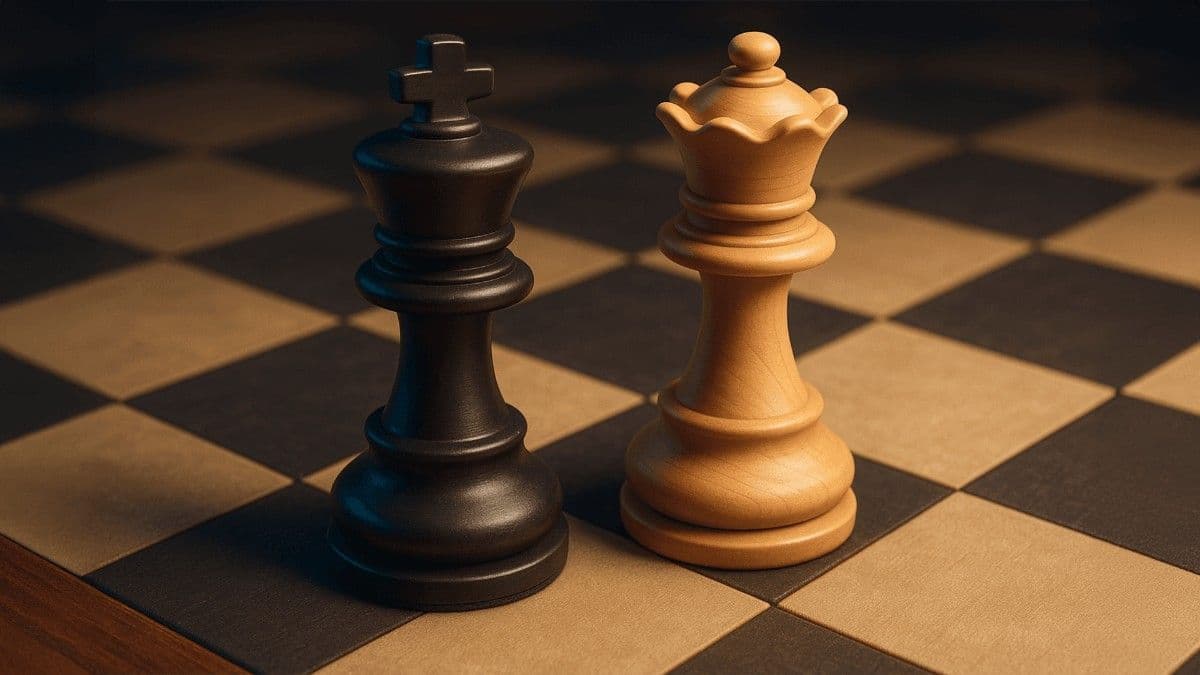
How to Checkmate with Rook and King

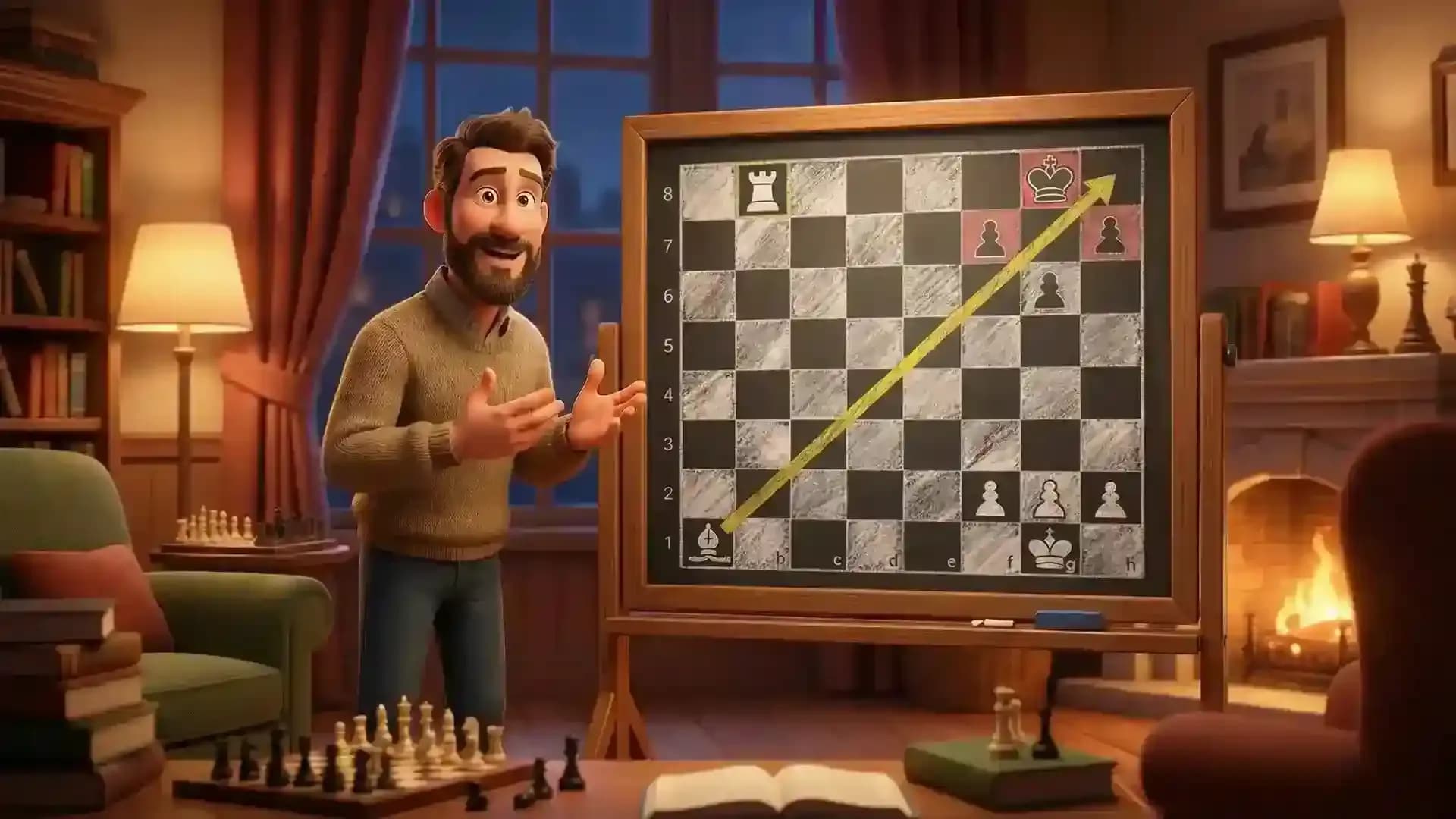
Back Rank Mate: How to Spot and Win Instantly
What is a Back Rank Mate? Learn the key patterns, common traps, and simple strategies to deliver this classic checkmate and win more games today.
Fool's Mate: Fastest Checkmate in Chess Explained
Fool's Mate is the fastest checkmate in chess. Discover how the 2-move mate works, why it happens, and simple ways to avoid it. Learn the pattern and improve your chess.
What Is Zugzwang in Chess? Meaning, Examples & How to Use It to Win
Ever been forced to make a losing move? That’s zugzwang. Learn how it works, see examples, and use it to dominate your opponent.
Can a King Checkmate a King? (Full Chess Rule Explained)
Can a King checkmate a King in chess? Discover the real rule, expert insights, and examples—click to master this key concept in chess strategy!

The 7 Fastest checkmate Moves Every Beginners must know
Discover the fastest checkmate strategies to win chess games quickly. Master quick tactics and impress your opponents—start learning now!
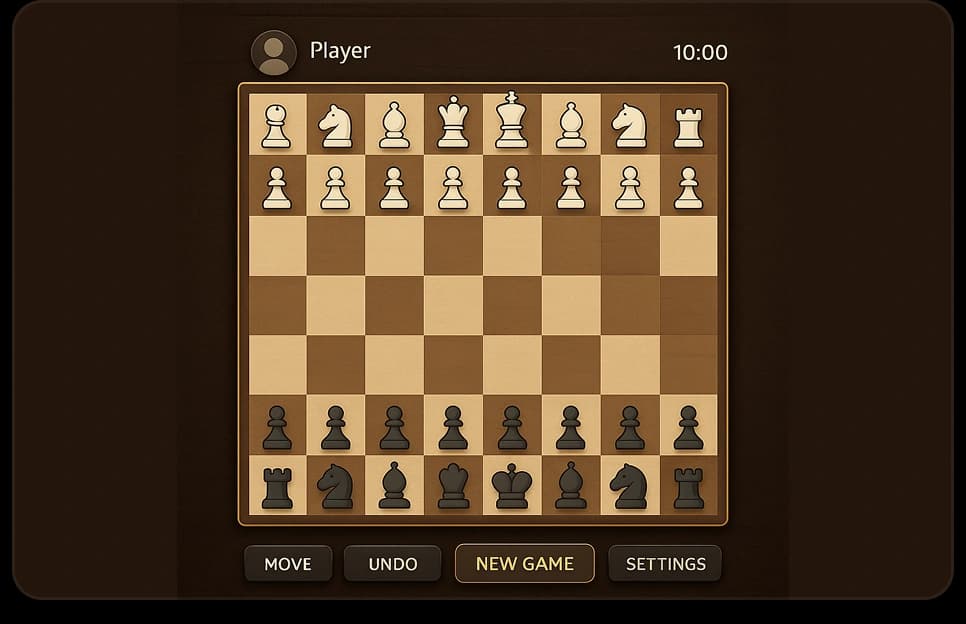
Chess endgame skills, such as knowing how to checkmate with Rook and King, are among the most basic ones. To practice it, keep playing online chess to become perfect at it, since it's not a chess opening strategy.
This technique is sure to bring you a win whenever you encounter such a position once you are aware of the technique. Along the way, you’ll also deepen your overall understanding of endgames and improve your chess skills through precision and planning.
Table of contents
Why Learning the Rook and King Checkmate Is Important

The king and rook checkmate appears in many games where one player has a large material advantage. It’s straightforward but essential to execute correctly. Many beginners rush and end up in a stalemate, losing a sure win.
Practicing this pattern teaches control over space, how to use your king effectively, and how to apply systematic pressure. It also enhances your understanding of coordination that becomes vital for every other endgame, whether it’s the bishop knight checkmate or even longer setups involving queens or pawns.
Understanding the Rook and King Checkmate Pattern
A Rook King checkmate is achieved when your rook and king work together to restrict the opponent’s king to one side of the board, gradually forcing it towards a corner. The main idea is to use the rook to “cut off” portions of the board, shrinking the area your rival’s king can move within.
This method is far more reliable than quick traps like the 2 move checkmate or the 5 move checkmate, which require major blunders. Instead, the checkmate with rook and king emphasizes accuracy and patience over surprise attacks.
Step-by-Step Guide to Checkmate with Rook and King
These steps are useful only when you have a rook and a king, and the opposition has only a king or a pawn left.
Step 1 – Use Your Rook to Cut Off the King’s Movement

Start by placing the rook so that it controls an entire rank or file, drawing an invisible line the opponent’s king cannot cross. This move confines the enemy king to a smaller area. Avoid random checks; focus instead on control.
Step 2 – Bring Your King Closer

Next, move your king gradually toward your opponent’s. Your king plays a leading role here; each movement forces the opposition backward and reduces their options. Remember, a king cannot check a king, so they must always maintain one square of separation. Use this space wisely to force progress.
Step 3 – Shrink the Box Gradually

Once your king is close, reposition your rook to reduce the opponent’s movable area again. Continue this alternating pattern, moving your rook to shrink the “box” and bringing your king forward until the enemy king is stuck against the edge.
Step 4 – Deliver the Final Checkmate

When the opposing king reaches the back rank or file, position your rook one square away from the edge. Move your king next to the trapped king (maintaining the legal distance). Finally, slide your rook to the end of the board to create the final checkmate. This result is called the rook and king checkmate, a perfect display of controlled precision.
Common Mistakes Beginners Make
- Moving the rook too aggressively and allowing counterplay.
- Forcing the enemy king into a corner before your own king is close enough.
- Creating stalemate positions by taking away all safe squares too early.
Although many players enjoy flashy finishes like the fastest checkmate, Fool’s Mate, or even a sudden Back Rank Mate, knowing structured methods like this ensures consistency and composure in any endgame.
Tips to Master the King and Rook Checkmate Faster
- Practice online: Use game trainers or AI drills to perfect this pattern.
- Apply endgame logic: Think like in other techniques, such as the bishop knight checkmate, where precision and timing decide success.
- Study simple positions: Just like with the 4 move checkmate, repetition builds confidence and muscle memory.
Learning to checkmate Rook and King is a fundamental accomplishment for a player who aims to master the entire knowledge of the game. It is a condition of accuracy, patience, and cooperation between the pieces.
Although it is entertaining to flash quick finishes such as 2 move checkmate or 5 move checkmate, this is a much more useful technique in actual games. When you have mastered the checkmate using the king and the rook, then you should practice the more difficult tricks like the bishop knight checkmate or you can also learn new setups beginning with easy chess openings as a beginner.
Knowing both how to attack and defend will make you a better chess player in terms of experience, and you will soon feel at home in any part of the game, in the opening or the checkmate.
FAQs
- Yes, you may play against one rook and your king with a single king. Nothing is like a win with good form.
- When played correctly, the rook and king checkmate normally require between 10 and 16 moves, depending on king's location.
- This can be done the quickest by containing the opposing king with your rook and then forcing your king nearer, and then making the final check. Such an arrangement provides an uncontaminated rook king checkmate free of the chance of a draw.
Back Rank Mate: How to Spot and Win Instantly
What is a Back Rank Mate? Learn the key patterns, common traps, and simple strategies to deliver this classic checkmate and win more games today.
Fool's Mate: Fastest Checkmate in Chess Explained
Fool's Mate is the fastest checkmate in chess. Discover how the 2-move mate works, why it happens, and simple ways to avoid it. Learn the pattern and improve your chess.
What Is Zugzwang in Chess? Meaning, Examples & How to Use It to Win
Ever been forced to make a losing move? That’s zugzwang. Learn how it works, see examples, and use it to dominate your opponent.
Can a King Checkmate a King? (Full Chess Rule Explained)
Can a King checkmate a King in chess? Discover the real rule, expert insights, and examples—click to master this key concept in chess strategy!
The 7 Fastest checkmate Moves Every Beginners must know
Discover the fastest checkmate strategies to win chess games quickly. Master quick tactics and impress your opponents—start learning now!