Benoni Defence Strategy: How to Play & Key Traps


Albin Counter Gambit: Sharp Chess Opening Guide
Explore the Albin Counter Gambit in depth with opening theory, positional ideas, critical variations, and practical advice for both White and Black. Learn the plans today.

Dutch Defense: Aggressive Ideas and Winning Plans
Master the Dutch Defense chess opening and learn how to win with 1…f5. Explore attacking plans, structures, and practical strategies now.
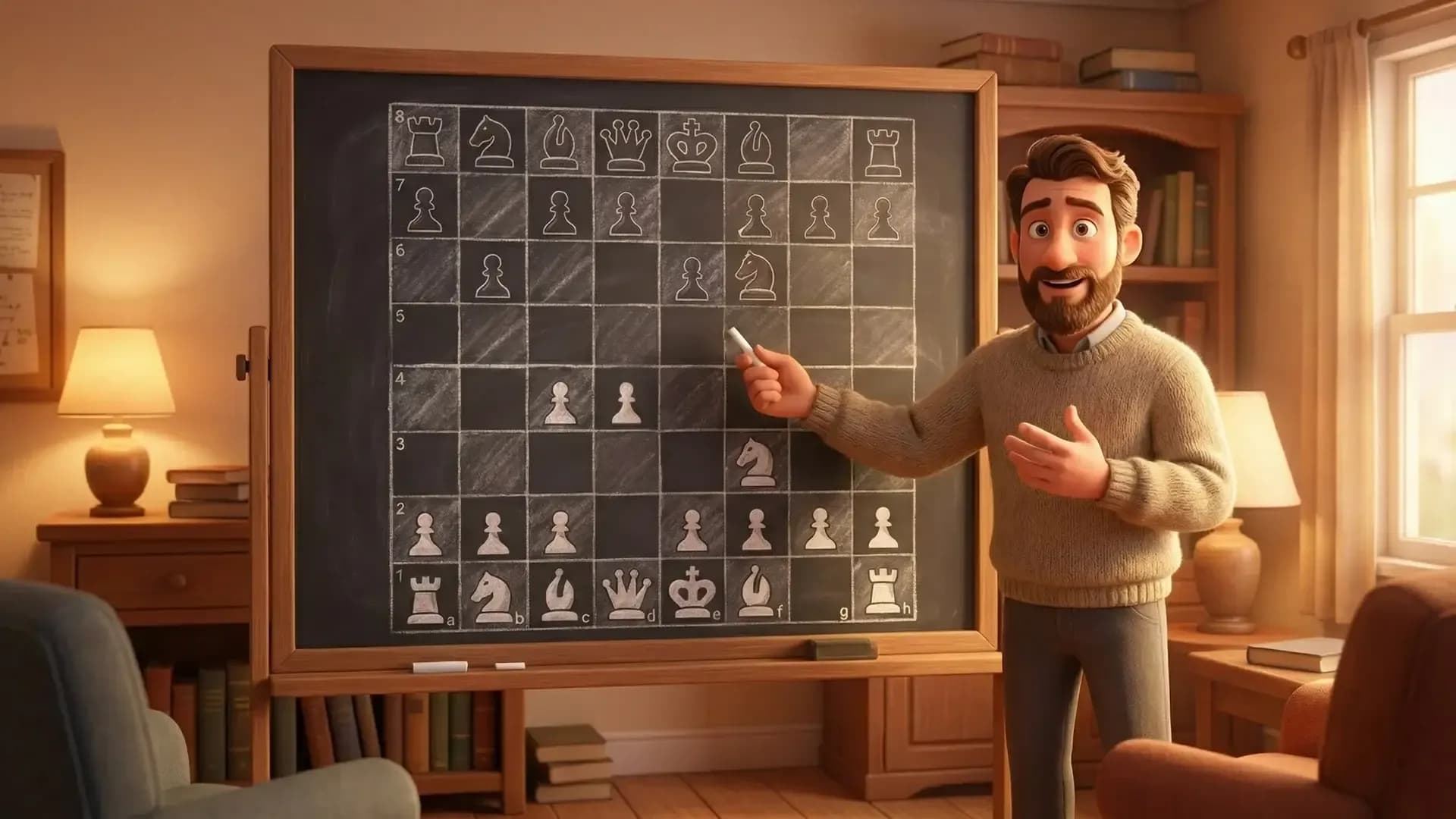
Queen’s Indian Defense: Theory, Ideas & Main Lines
Queen’s Indian Defense explained with simple ideas, common variations, and practical tips. Discover how to play this powerful chess opening for Black.

Baltic Defense: Aggressive Chess Opening Explained
Discover the Baltic Defense in chess with clear explanations, key plans, and tactical traps. Improve your opening play and surprise rivals today.

Chigorin Defense: Key Ideas, Theory & Traps
Learn the Chigorin Defense with key ideas, main lines, traps, and strategy tips. Discover how Black creates active play against 1.d4.

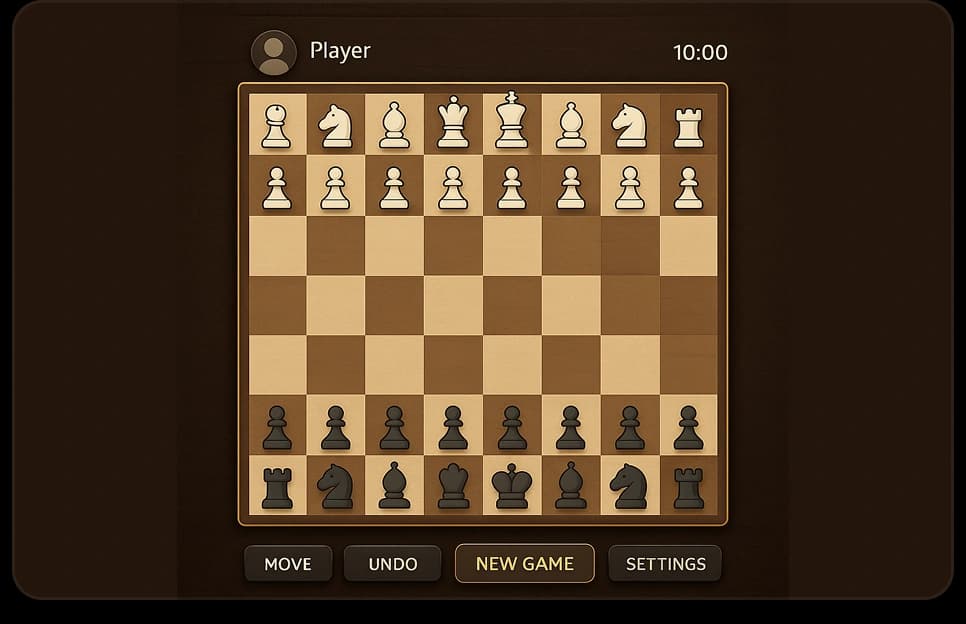
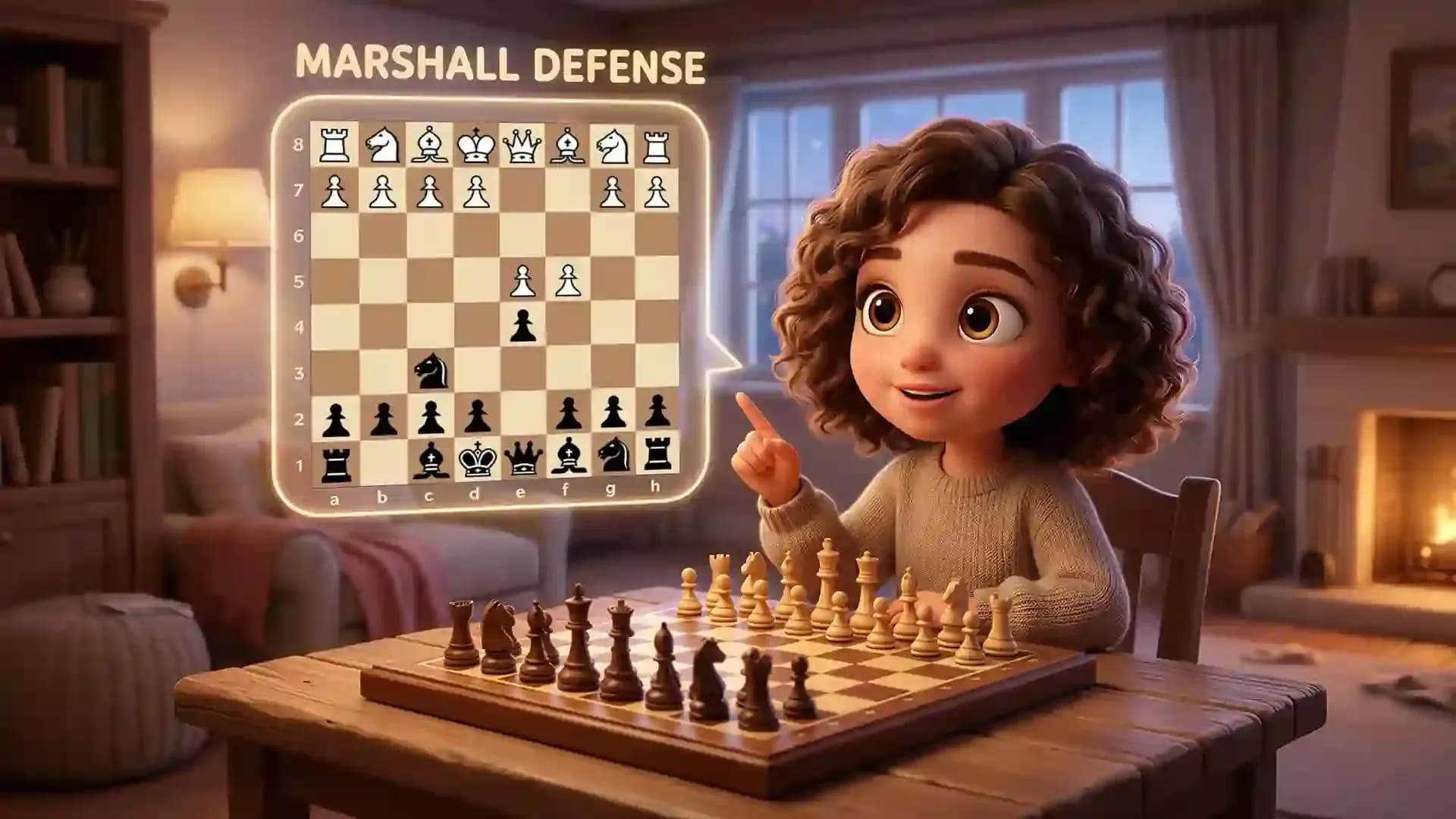
The Benoni Defense is a chess opening that actually starts after 1.d4 Nf6 2.c4 c5. Instead of playing safe and solid, Black chooses this opening in order to create sharp and exciting positions.
This opening is popular for its unbalanced pawn structures, active piece play, along with chances for counterattack. Many great players, including Mikhail Tal and Garry Kasparov, used this opening to fight for a win even with Black pieces.
In this blog, we’ll cover everything you need to know about the Benoni Defense in simple terms. Also, you’ll learn the main lines, common pawn structures, as well as key strategies for both sides.
Furthermore, we’ll also cover important systems like the Modern Benoni, the Czech Benoni along with the dangerous Flick-Knife Attack. To make it completely practical, we’ll show typical middlegame plans, famous games, move order tricks, and mistakes to avoid. By the end, you’ll clearly understand exactly how to play the Benoni as Black or challenge it as White.
Table of contents
- Understanding the Benoni Defense: A Bold Opening Choice
- Why the Benoni Stands Out:
- Benoni Defense: Simplified Guide
- White’s f4 Plan in the Benoni (Flick-Knife Attack)
- Understanding the Czech Benoni
- Other Move Orders in the Benoni Defense
- Modern Benoni Defense: Systems, Attacks, and Key Strategies
- Conclusion
Understanding the Benoni Defense: A Bold Opening Choice
The Benoni Defense is all about taking risks in order to create winning chances. It begins after 1.d4 Nf6 2.c4 c5, when Black immediately challenges White’s center instead of quietly defending. Now, this sharp decision leads to unbalanced positions where actually both players must be ready to think creatively and fight from the very first.

Unlike several basic chess openings that follow calm, symmetrical patterns, such as the Grünfeld Defense or the Albin Counter-Gambit, the Benoni creates a battlefield full of tension. Black accepts less space in the center but seeks activity, open lines, and counterattacks.
This makes the game less about slow-moving and more about powerful ideas, where even one mistake can change the outcome quickly.
Why the Benoni Stands Out:
- Dynamic Counterplay: Instead of defending passively, Black here looks for pawn breaks like …e6 and …b5 to challenge White’s space advantage.
- Imbalanced Structures: White usually has more central control, on the other hand, Black gets chances in order to attack on flanks. This actually creates different plans for each side.
- Rich Middlegames: The resulting positions mostly feature sharp pawn races, tactical combinations, along with attacking chances for both players.
- Famous Supporters: Great champions like Garry Kasparov, Bobby Fischer, and Mikhail Tal used the Benoni in order to catch opponents off guard and play for a win, a skill made easier today with the premove feature in online chess.
- Fighting Spirit: The opening rarely leads to quiet or Darwish positions. It’s exactly designed for players who truly love excitement and are not really afraid of complications.
Benoni Defense: Simplified Guide
Starting Moves of the Main Line
The Benoni Defense, Main Line, usually starts with the moves:
1.d4 Nf6 2.c4 c5 3.d5 e6 4.Nc3 exd5 5.cxd5 d6
At this point, the position takes shape: White has pushed their pawn far into Black’s half (on d5), gaining space in the center. Black actually allows this in order to create counterplay later. Instead of trying to directly challenge White’s big center, Black actually looks for active piece play, pawn breaks in the middlegame. This creates sharp and imbalanced positions where both sides have clear plans.

2. Key Pawn Structures to Remember
- White usually has pawns on d5, c4, and e4, and controls the space.
- Black’s pawns are on d6 and e6 (sometimes f7-f5 later).
- The pawn tension creates a long-term imbalance; white has more space, Black looks for breaks.
3. Black’s Main Strategic Goals
- Put pressure on White’s center with …b5 or …f5.
- Use the open e-file and pressure on the a1-h8 diagonal (especially if …g6 and …Bg7 are actually played).
- Target for different counterplay instead of a slow move.
4. White’s Best Plans Against the Main Line
- Expand on the kingside with moves like f4-f5.
- Push pawns in order to squeeze space, making it harder for Black to find counterplay.
- Aim Black’s d6 pawn, which can become weak.
5. Common Middlegame Ideas and Patterns
- Black mostly looks active with piece play on the queenside (...a6, …b5).
- White looks for attacking chances on the kingside.
- Typical sacrifices and tactical play happen around the e5 and f5 squares.
White’s f4 Plan in the Benoni (Flick-Knife Attack)
The Taimanov or Flick-Knife Attack in the Benoni starts when White plays f4, generally after the moves 1.d4 Nf6 2.c4 3.d5 e6 4.Nc3 exd5 5.cxd5 d6 6.e4 g6 7.f4. It pushes the f-pawn, then immediately grabs more space, strengthens control of the center, and prepares to push f5 or e5, and create attacking chances against Black’s kingside.
The system is actually considered dangerous for Black because it mostly leads to direct attacks on the king and gives White fast initiative. However, Black is not without resources, counterplay with …b5, …Re8, or even piece activity can create strong chances.
Famous games by Taimanov, Kasparov, along with modern grandmasters perfectly highlight how sharp and exciting this line can be. It remains one of the most feared and aggressive chess systems against the Benoni.
Understanding the Czech Benoni

The Czech Benoni actually starts with 1.d4 Nf6 2.c4 c5 3.d5 e5, and creates a solid but closed position. The locked pawn center (White on d5, Black on e5) shows the game, and shift the battle of the flank,
Black’s Plans:
- Prepare …f5 to challenge White’s center.
- Play …a6 and …b5 on the queenside.
- Maneuver knights and bishops behind the pawn chain.
White’s Plans:
- Expand with c5 or f4/f5.
- Place knights on c4 and f5.
- Use space advantage while stopping Black’s counterplay.
Typical Maneuvers: Black: …Nh5 then …f5; White: Nc4, Nf3–d2–c4/f5.
Other Move Orders in the Benoni Defense
1.Old Benoni: Early …c5 Against 1.d4
The Old Benoni arises after 1.d4 c5, it usually aims for an early queenside fight. It's simpler than the Modern Benoni but can lead to sharp play.
2.Benko Gambit Connection and Transpositions
The Benko Gambit often transposes from the Benoni with …b5. Black actually sacrifices a pawn for long-term pressure on the queenside and open lines for rooks.
3.Anti-Benoni Systems Used by White
White uses systems like 2. Nf3, 2.d5, or early e4 setups in order to avoid standard Benoni structures and limit Black’s counterplay opportunities.
4.Practical Move Order Tricks for Black
Black can even delay …e6 or play …a6 early in order to force White into less comfortable setups, and gain flexibility and chances for tactical counterplay.
Modern Benoni Defense: Systems, Attacks, and Key Strategies

The Modern Benoni is truly a sharp opening where Black allows White central space when preparing or counterplay. In the Classic System, Black develops behind d6, aiming for …b5 or …f5 breaks. On the other hand, White expands on the center and the kingside. The Fianchetto Variation strengthens White’s kingside, limiting Black’s attack.
The Four Pawn Attack is an aggressive plan to dominate space. Following key do’s and don’ts is really important, and in chess endgame checkmates, precise pawn structure and active pieces usually decide the result.
Tal’s Attacking Games:
- It shows sharp kingside attacks along with tactical brilliance.
- Indicates actually how to use pawn breaks and piece activity for aggressive play.
Kasparov’s Dynamic Benoni Victories:
- This highlights creative strategies combining central control with queenside and kingside counterplay.
- Excellent examples of timing pawn breaks and coordinating pieces dynamically.
Modern Online Examples:
- When it comes to modern online examples, it features new ideas in the Main Line and Flick-Knife Attack.
- It provides practical lessons for both attacking and defensive strategies in real games.
Conclusion
The Benoni Defense is an exciting opening for Black that truly offers chances for active counterplay and sharp games.
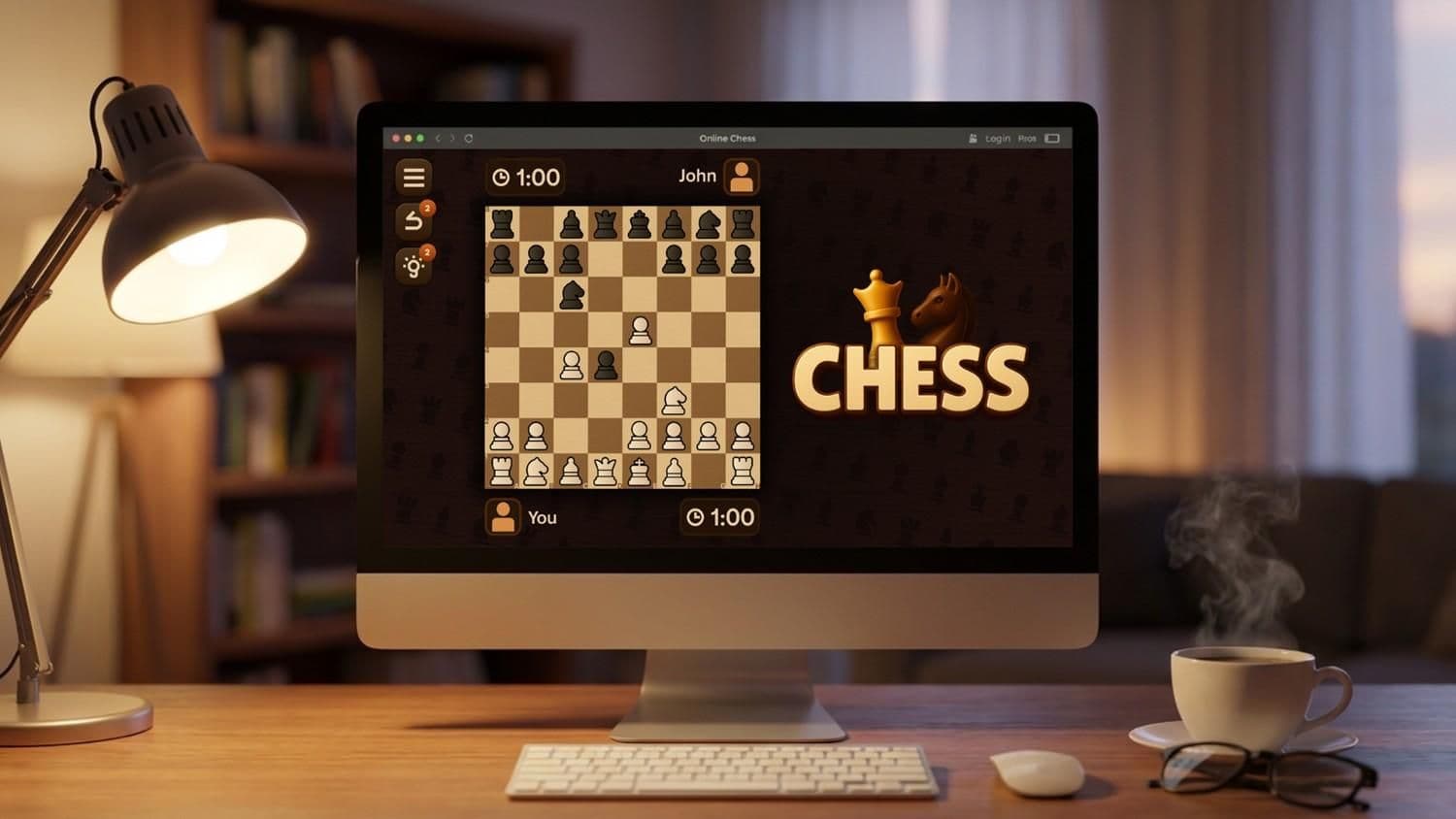
No matter if you’re using the Main Line, Modern Benoni, or even Czech Benoni, it rewards careful planning, tactical awareness, and understanding typical pawn structures. Want to try this opening, try chess now.
FAQs
- The Benoni Defense is an aggressive chess opening starting with 1.d4 Nf6 2.c4 c5. Black sacrifices immediate central control to create dynamic positions and counterattacks, often leading to imbalanced pawn structures and sharp play.
- The Benoni Defense is bold because Black actively challenges White’s center, leading to unbalanced positions and tactical complexity. It’s perfect for players who thrive in sharp, dynamic games rather than slow, symmetrical openings.
- The Modern Benoni starts with 1.d4 Nf6 2.c4 c5 3.d5 e6 4.Nc3 exd5 5.cxd5 d6. Black's goal is to create counterplay through pawn breaks like …b5 or …f5, while White aims to expand in the center. It's a sharp opening that requires tactical awareness.
- The Flick-Knife Attack is a sharp line in the Benoni where White plays 7.f4 after the main moves. It targets Black's kingside and seeks a quick initiative. While dangerous for Black, it can be countered with active piece play and pawn breaks like …b5.
- White’s best strategy in the Benoni is to expand on the kingside and control the center with moves like f4 and e5. Black counters by seeking counterplay with …b5 or …f5 and targeting open files or diagonals. Both sides need to play aggressively and tactically.
Albin Counter Gambit: Sharp Chess Opening Guide
Explore the Albin Counter Gambit in depth with opening theory, positional ideas, critical variations, and practical advice for both White and Black. Learn the plans today.
Dutch Defense: Aggressive Ideas and Winning Plans
Master the Dutch Defense chess opening and learn how to win with 1…f5. Explore attacking plans, structures, and practical strategies now.
Queen’s Indian Defense: Theory, Ideas & Main Lines
Queen’s Indian Defense explained with simple ideas, common variations, and practical tips. Discover how to play this powerful chess opening for Black.
Baltic Defense: Aggressive Chess Opening Explained
Discover the Baltic Defense in chess with clear explanations, key plans, and tactical traps. Improve your opening play and surprise rivals today.
Chigorin Defense: Key Ideas, Theory & Traps
Learn the Chigorin Defense with key ideas, main lines, traps, and strategy tips. Discover how Black creates active play against 1.d4.