Vienna Game: A Complete Guide to This Dynamic Chess Opening


Albin Counter Gambit: Sharp Chess Opening Guide
Explore the Albin Counter Gambit in depth with opening theory, positional ideas, critical variations, and practical advice for both White and Black. Learn the plans today.

Dutch Defense: Aggressive Ideas and Winning Plans
Master the Dutch Defense chess opening and learn how to win with 1…f5. Explore attacking plans, structures, and practical strategies now.

Queen’s Indian Defense: Theory, Ideas & Main Lines
Queen’s Indian Defense explained with simple ideas, common variations, and practical tips. Discover how to play this powerful chess opening for Black.

Baltic Defense: Aggressive Chess Opening Explained
Discover the Baltic Defense in chess with clear explanations, key plans, and tactical traps. Improve your opening play and surprise rivals today.

Chigorin Defense: Key Ideas, Theory & Traps
Learn the Chigorin Defense with key ideas, main lines, traps, and strategy tips. Discover how Black creates active play against 1.d4.

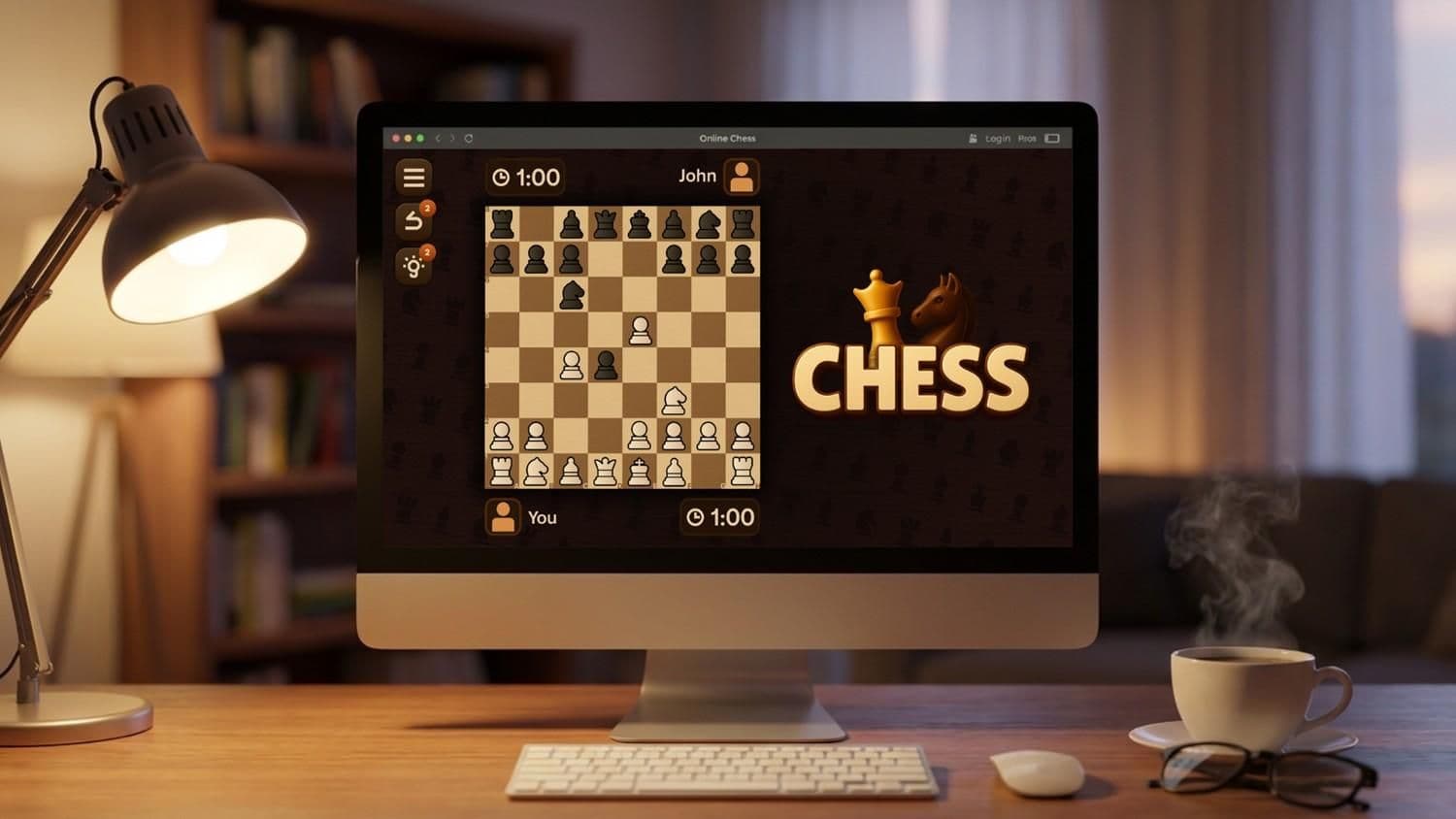
Vienna Game is an exciting and dynamic chess opening that begins with the moves 1.e4 e5 2.Nc3. It provides White with the opportunity to attack flexibly and gives him strategic options, and this is a welcome change for any player.
Whether you're a beginner or advanced player, understanding the Vienna Game can enhance your opening play and provide fresh ideas against common Black responses.
With various main variations and tactical possibilities, the Vienna Game challenges Black's defenses and gives White multiple paths to control the center and initiate attacking plans. You can learn more ways after playing chess online regularly.
Table of contents
- What the Vienna Game Is and Why It's Worth Learning
- History and Background of the Vienna Game
- Move-Order and Core Ideas of the Vienna Game
- Main Variations in the Vienna Game
- Significant Black Responses and Sideline Alternative
- The Strategies and Standard Plans of White
- How to Play Against the Vienna Game (Black's Perspective)
- Famous Games Featuring the Vienna Game
- Practical Tips to Master the Vienna Game
What the Vienna Game Is and Why It's Worth Learning
The opening moves of the Vienna Game are 1.e4 e5 2.Nc3. It is the traditional King's Pawn Opening, which aims to gain center control and develop quickly. White's second move, Nc3, directly presses Black's central e5 pawn while preparing for a possible f4 pawn attack.
The flexibility of the Vienna Game is what draws players in; depending on Black's setup, White can choose between strong positional strategies and direct attacking gambits. It is an amazing white chess opening move.
Players who wish to stay away from the well-studied routes of the Ruy Lopez games or Italian games are especially partial to the Vienna game. Instead, it provides chances to play original and make earlier tactical shots. From club players to grandmasters, the Vienna Game's strategic richness and dynamic potential make it a powerful weapon for increasing one's success in chess.
History and Background of the Vienna Game
It was first developed in Vienna in the 19th century, and soon became popular under the guidance of such great masters as Max Euwe and Savielly Tartakower. It was particularly noted due to its tactical gambit and positional plans in the long term, hence its popularity in classical and modern chess.
The Vienna Game's development continued in the 20th and 21st centuries, with many wondering how to become a chess grandmaster like Magnus Carlsen, who revived it in recent tournaments. It owes its success to its ability to play well with sound strategic building blocks that have made it remain relevant in any time format.
Move-Order and Core Ideas of the Vienna Game
The opening move sequence 1.e4 e5 2.Nc3 forms the backbone of the Vienna Game. White aims to control the center while readying an eventual f4 push to challenge Black's e5 pawn, reminiscent of the King's Gambit. Some of the strategic concepts that White should consider are:
- Blistering growth of knights and bishops.
- Ruling the middle and getting ready to castle speedily.
- Taking advantage of this weakness in the pawn formation of Black through maneuvering.
Black must take care of the active plans of White and be ready to counter with sound development and central breaks with time, such as...d5.
Main Variations in the Vienna Game
There are two main variations in the Vienna Game chess opening, with different approaches.
Vienna Gambit (Aggressive Variant)
Move: 1.e4 e5 2.Nc3

3.f4 allows the Vienna Gambit, using which the center of Black is to be derailed, and immediate attacking opportunities are to be obtained. White gives up a pawn to have a quick activity of the pieces and open any lines to the king of Black.
This line may result in very tactical and acute positions, but it needs very accurate play on the part of the White; otherwise, the initiative might be lost. White players who enjoy this aggressive f4 pawn thrust style often find the Grand Prix Attack equally natural, both systems share the same early kingside ambition and attacking DNA.
Frankenstein-Dracula Variation (Famous Variation)
Move: 1. e4 e5 2. Nc3 Nf6 3. Bc4 Nxe4 4. Qh5

The Frankenstein-Dracula variation is the most famous one in the Vienna Game chess opening, in which the queens attempt to attack f7 of black. To avoid this, they must counter the play using a pawn. It is one of the most aggressive chess openings, and there are many ways to approach the attack after using this opening.
Classical Vienna (Solid Development Approach)
White grows silently and gradually in the classical treatment with such maneuvers as 3.Bb5, resembling the Ruy Lopez, in favor of a central d4 advance and to gain good positional advantage.
White also tends to play with d3, Nf3, and quick kingside castling, which keeps White putting pressure on the center of Black and getting the pieces into position in harmony.
Significant Black Responses and Sideline Alternative
Some of the moves that black can respond with are flexible and include 2.Nf6, 2.Bc5, or 2.Nc6. Every decision results in other structures:
- Nf6 confronts White at the center early and recommends transpositions to similar openings.
- Bc5 is naturally developed, although it may be subject to tactical threats of the Vienna Gambit.
- Nc6 also solidifies the dominance of Black but permits the White dynamic possibilities.
White needs to change and make decisions depending on the immediate responses of Black.
The Strategies and Standard Plans of White
- Apply central pressure and open lines using f4, and then attack.
- Prepare pieces for the centre and kingside squares rapidly.
- Set up d4 in favor of a strong central presence or control squares with knights.
- Be responsive so that you can alternate aggressive gambits with sound positioning actions based on the opponent's setup.
How to Play Against the Vienna Game (Black's Perspective)
To counter the Vienna Game, Black should focus on quick development and central counterattacks, typically with Nf6, d6, and Nc6. Black aims at negating the attacking threat of White on the kingside and confronts the White center with an offensive of the required timeliness (such as the breakthrough with the move d5). Specificity is essential to avoid being caught off guard tactically.
Common Tactical Ideas and Traps in the Vienna Game
- The heroic Vienna Gambit shows tactical attacking themes with early f4 and knight sacrifices.
- The famous Frankenstein-Dracula variation involves tactical melee around Black’s king.
- Typical traps include forks, pins, and discovered attacks exploiting Black’s premature development.
Pros and Cons of the Vienna Game
| Pros | Cons |
|---|---|
| Flexible and dynamic options | Requires good tactical skills |
| Surprising for opponents unfamiliar with it | Some lines were heavily analyzed for Black |
| Combines aggressive and positional play | Slightly less popular at elite levels |
Famous Games Featuring the Vienna Game
Grandmasters like Magnus Carlsen and Max Euwe have employed the Vienna Game in high-stakes tournaments, demonstrating its practical viability. Their games demonstrate how the opening can provide deep middlegame positions that have attacking opportunities.
You can even see Magnus Carlsen's chess openings, which also influence the Vienna chess opening moves.
Practical Tips to Master the Vienna Game
- Learn major moves, most importantly the Vienna Gambit.
- Get used to strategic tricks.
- Break down the master games in the past.
- Play computer games that emphasize flexible move orders to be flexible to different Black reactions.
Using all the tips, methods, and variations while playing chess, you can develop better strategies.
FAQs
- Sure, it is a very good entry level since it learns development, control, and attacking concepts without too much theoretical explanation.
- The primary classical course of action is 1.e4 e5 2.Nc3 Nc6 3.Bb5, which is concentrated on the sound development and central control.
- Black can respond with the creation of pieces to natural squares,...Nf6,...Bc5, and...d6...and threaten the center at just the right time with...d5 moves.
- Vienna Gambit (3.f4) is a severe attacking pawn sacrifice. It is advised that you play sharp and tactical as well as comfortable in intricate positions.
Albin Counter Gambit: Sharp Chess Opening Guide
Explore the Albin Counter Gambit in depth with opening theory, positional ideas, critical variations, and practical advice for both White and Black. Learn the plans today.
Dutch Defense: Aggressive Ideas and Winning Plans
Master the Dutch Defense chess opening and learn how to win with 1…f5. Explore attacking plans, structures, and practical strategies now.
Queen’s Indian Defense: Theory, Ideas & Main Lines
Queen’s Indian Defense explained with simple ideas, common variations, and practical tips. Discover how to play this powerful chess opening for Black.
Baltic Defense: Aggressive Chess Opening Explained
Discover the Baltic Defense in chess with clear explanations, key plans, and tactical traps. Improve your opening play and surprise rivals today.
Chigorin Defense: Key Ideas, Theory & Traps
Learn the Chigorin Defense with key ideas, main lines, traps, and strategy tips. Discover how Black creates active play against 1.d4.