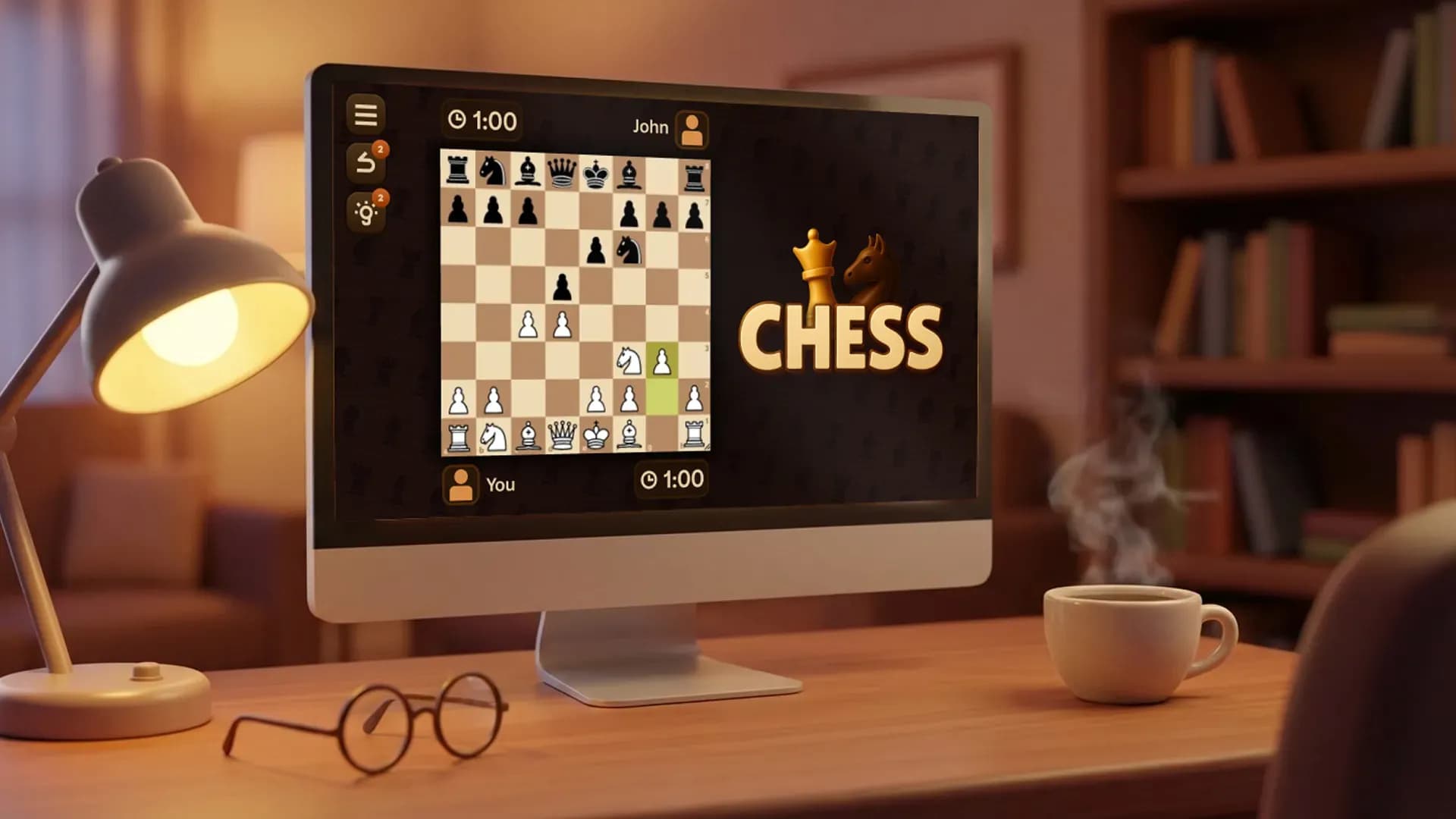
Ruy Lopez Opening (Spanish Opening Chess): Variations, Strategies & Best Defenses


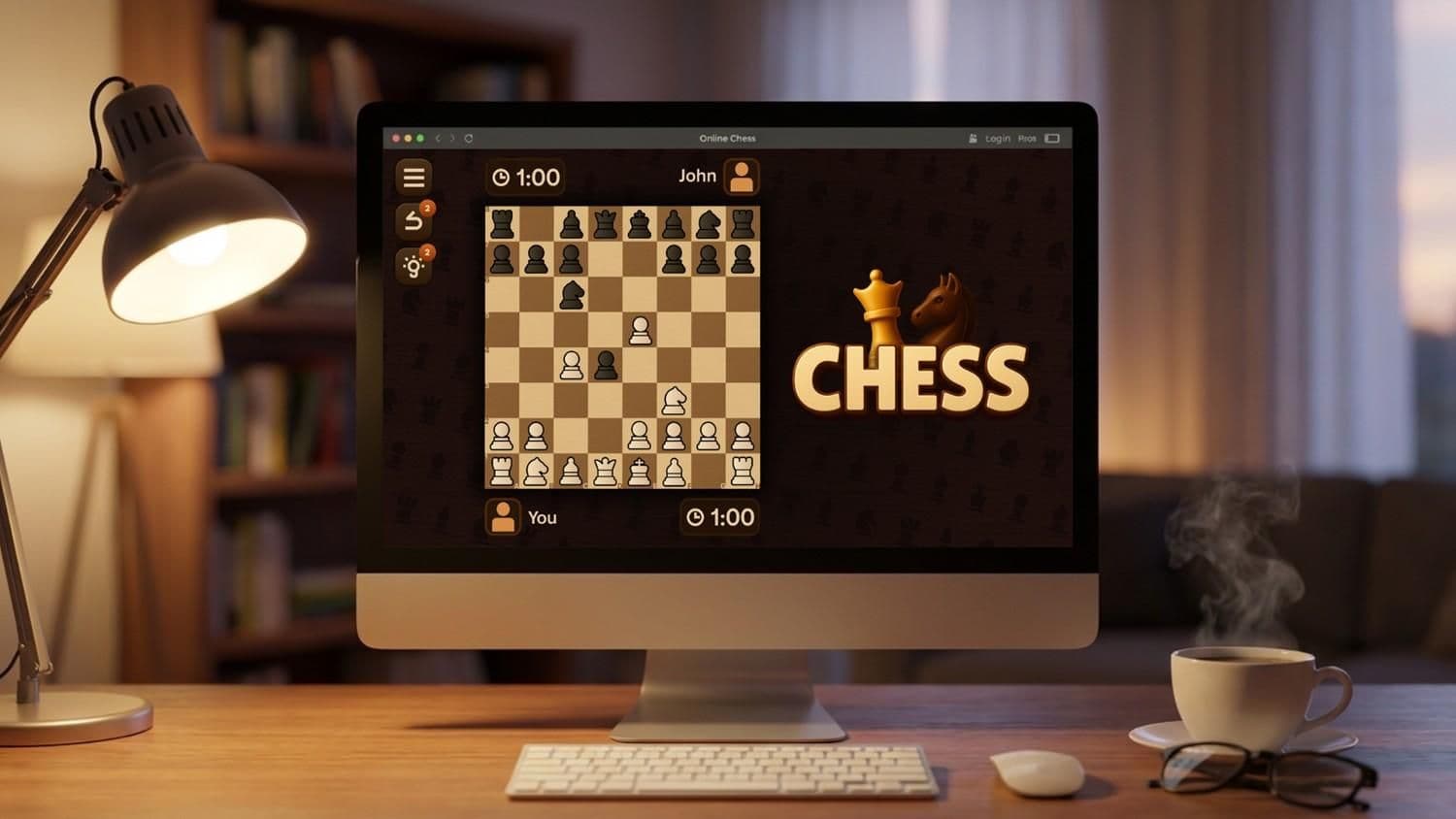
Albin Counter Gambit: Sharp Chess Opening Guide
Explore the Albin Counter Gambit in depth with opening theory, positional ideas, critical variations, and practical advice for both White and Black. Learn the plans today.

Dutch Defense: Aggressive Ideas and Winning Plans
Master the Dutch Defense chess opening and learn how to win with 1…f5. Explore attacking plans, structures, and practical strategies now.

Queen’s Indian Defense: Theory, Ideas & Main Lines
Queen’s Indian Defense explained with simple ideas, common variations, and practical tips. Discover how to play this powerful chess opening for Black.

Baltic Defense: Aggressive Chess Opening Explained
Discover the Baltic Defense in chess with clear explanations, key plans, and tactical traps. Improve your opening play and surprise rivals today.

Chigorin Defense: Key Ideas, Theory & Traps
Learn the Chigorin Defense with key ideas, main lines, traps, and strategy tips. Discover how Black creates active play against 1.d4.

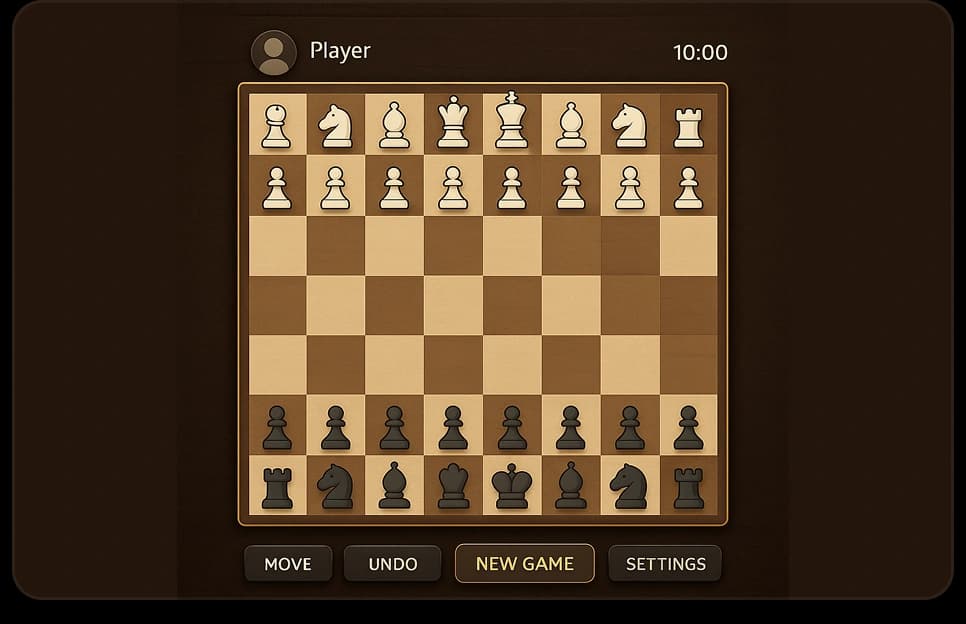
The Ruy Lopez Opening also known as the Spanish Opening, Spanish Game, and Spanish Chess, begins with 1.e4 e5 2.Nf3 Nc6 3.Bb5, where White’s bishop immediately applies pressure on Black’s knight to indirectly target the e5 pawn. It is one of the oldest and most celebrated chess openings in history.
The Ruy Lopez Chess Opening was actually first analyzed in the 16th century by Spanish priest Ruy Lopez de Segura, and it has since become a foundation of chess strategy.
From beginners learning solid development to world champions preparing deep novelties, the Ruy Lopez Opening continues to dominate as a timeless, flexible, and if you are playing chess online, then it will be easier for you to learn from a tutorial.
Table of contents
- What Is the Ruy Lopez (Spanish Opening)?
- History of the Ruy Lopez Opening
- Main Ruy Lopez Variations
- For White (chess openings for White Ruy Lopez):
- For Black (counterplay in the Spanish Opening Chess):
- How to Play the Ruy Lopez Opening (as White)
- Best Defenses Against the Ruy Lopez
- How to Beat the Ruy Lopez Opening
- How to Play Against and Beat the Ruy Lopez (as Black)
- Is the Ruy Lopez a Good Opening?
- Common Mistakes in the Ruy Lopez
- Conclusion
What Is the Ruy Lopez (Spanish Opening)?

The Ruy Lopez Opening in chess, also called the Spanish Opening Chess that starts with the moves 1.e4 e5 2.Nf3 Nc6 3.Bb5. White first places a pawn in the center, then develops the knight to attack Black’s e5 pawn, and finally moves the bishop to b5. At first, this bishop move looks quiet, but it has an important idea: the bishop pressures the knight on c6, which is defending the pawn on the center.
This opening is actually named after Ruy Lopez de Segura, a Spanish priest from the 16th century who studied and then explained it in detail. Because of his work, the chess Ruy Lopez opening became one of the first well-known openings in history. Even today, it is popular among beginners and world champions because it is simple, flexible, and very effective.
History of the Ruy Lopez Opening
The Ruy Lopez Opening in chess, commonly called the Spanish Opening Chess, is one of the most historically significant openings in the game. Its roots go back more than 450 years, yet it continues to dominate tournaments and club games alike. Few openings have had such an enduring influence on how chess is played.
- Earliest Roots (1561): The opening was first analyzed by Spanish priest Ruy López de Segura in his famous book Libro del Ajedrez. His ideas made it the first true “modern” opening, focusing not on quick Tricks like the Mortimer Trap or the Fishing Pole can punish careless White players and sometimes lead directly to Checkmate in Chess.
- Foundation of Opening Theory: By highlighting central control, active development, and long-term pressure, it created principles that remain the backbone of chess education.
- Adopted by Champions: Legends such as Wilhelm Steinitz, José Capablanca, Bobby Fischer, Vladimir Kramnik, Viswanathan Anand, and Magnus Carlsen have all relied on the Ruy Lopez Opening in decisive world championship games.
- The “Spanish Torture”: Its nickname reflects the way White slowly squeezes Black, leaving little room for mistakes.
- Global Legacy: Whether in beginner lessons, online platforms, or elite tournaments, the Ruy Lopez Opening in chess continues to symbolize timeless strategy and unmatched flexibility.
Main Ruy Lopez Variations

Mastering ruy lopez theory requires understanding how early pawn hooks and piece placements completely alter the game. Unlike the open piece play of the italian game or the sharp counter-attacks of the sicilian defence, these core ruy lopez lines offer a unique mix of deep positional maneuvering and sudden tactical explosions.
Morphy Defense (3...a6)
This is the absolute ruy lopez main line and the most popular choice at all levels. By immediately questioning White's light-squared bishop, Black gains flexibility and prevents being restricted early on. It perfectly suits well-rounded players who prefer adaptable, classic setups where both sides fight for long-term positional advantages.
Berlin Defense (3...Nf6)
Known as the "Berlin Wall," this defense is famous for its unmatched solidity. Black ignores the threat to the c6-knight and counterattacks White’s e4-pawn, often steering the game into a queenless endgame. This line heavily suits resilient, endgame-oriented players who want a highly reliable weapon to neutralize aggressive opponents.
Open Variation (5...Nxe4)
The open ruy lopez activates the board immediately when Black captures the central e4-pawn. This sharp line triggers intense tactical battles where White gains rapid piece activity and the initiative in exchange for the material. It suits energetic, tactical players who thrive in dynamic, unbalanced positions and aren't afraid of deep calculation.
Exchange Variation (4.Bxc6)
The ruy lopez exchange simplifies the position immediately by trading White’s bishop for Black’s knight to damage Black's queenside structure. While Black gains the long-term advantage of the bishop pair, White aims to exploit the doubled pawns in a grindy endgame. This variation perfectly suits practical, endgame-focused players who want to bypass complex middlegame complications.
Marshall Attack
The Marshall Attack is one of the most aggressive ruy lopez opening variations available for Black. By sacrificing a pawn with a timely ...d5, Black delays the slower closed ruy lopez setups to launch a fierce, immediate assault against White's king. It suits deeply prepared, attacking players who love sacrificing material for a lasting tactical initiative.
Archangel Variation (5...Bc5)
The ruy lopez archangel variation focuses on active piece development by placing the dark-squared bishop outside the pawn chain. Black aims for early counterplay along the dynamic a7-g1 diagonal rather than settling for passive defense. It suits sharp, ambitious players who prefer concrete piece play over slow maneuvering.
Jaenisch Gambit (3...f5)
The ruy lopez jaenisch gambit is an explosive, high-risk surprise weapon aimed at breaking White's center on move three. This sharp line completely disrupts standard positional play and forces both sides into a chaotic, tactical firefight. It suits bold, aggressive players looking to drag their opponents out of their comfort zone right from the start.
For White (chess openings for White Ruy Lopez):
- Castle early: Secure the king’s safety with quick kingside castling.
- Prepare c3 + d4: Use these pawns to build strong central control and open lines for pieces.
- Maintain pressure: The bishop on b5 and central pawns create long-term tension against Black’s position.
- Target weak squares: Look for weaknesses around Black’s e5 pawn or queenside pawns.
- Play patiently: White usually avoids rushing and focuses on gradual improvement.
For Black (counterplay in the Spanish Opening Chess):
- Strike with …d5: A timely pawn push challenges White’s center directly.
- Use …f5 ideas: Gains space on the kingside and opens attacking chances.
- Develop quickly: Avoid passive defense; get knights and bishops active early.
- Stay balanced: Look for ways to simplify or counterattack without giving up space.
This balance of strategic depth and tactical possibilities is what makes the Ruy Lopez one of the greatest openings in chess history.
How to Play the Ruy Lopez Opening (as White)
1. Control the Center with 1.e4
Begin with pawn to e4. This controls the center squares and opens lines for your queen and bishop. Strong central control is the first step to learning chess openings for white like the Ruy Lopez opening.

2. Develop Knight with 2.Nf3
Bring your knight to f3. This attacks Black’s pawn on e5 and helps you develop quickly. Early piece activity is very important in chess openings.
3. Pressure with 3.Bb5
Place the bishop on b5 to attack the knight on c6. This indirect pressure on Black’s e5 pawn defines the Spanish Opening chess and creates long-term strategic chances.
4. Castle Early for Safety
Always castle kingside quickly. It protects your king and connects your rooks. Castling is a must when you learn Ruy Lopez opening because safety and development come first.
5. Build a Strong Center
Play c3 and then d4 to gain control of the center. This gives space, opens lines for pieces, and is the heart of playing the chess Ruy Lopez opening.
Best Defenses Against the Ruy Lopez
- Berlin Defense: Called the “Berlin Wall,” this is a very safe setup. It blocks White’s attack and is often seen in top games. A strong defense against Ruy Lopez opening
- Open Ruy Lopez: Here Black takes the e4 pawn early. This creates quick counterplay and forces White to be careful. A great choice if you want to learn how to counter Ruy Lopez opening actively.
- Morphy Defense: The most common reply where Black pushes the bishop back with ...a6. It is flexible, simple, and practical for all players, making it the best defense against Ruy Lopez opening for beginners.
- Stay Active: No matter which line you pick, don’t play passively. Always look for piece activity and central control to stop White from getting long-term pressure.
How to Beat the Ruy Lopez Opening
- Strike the Center Early: Moves like …d5 or …Nxe4 challenge White’s setup. They break the slow buildup and give Black a chance to equalize fast. This is a key idea in how to beat Ruy Lopez opening
- Use Traps: Tricks like the Mortimer Trap or the Fishing Pole can punish careless White players. These ideas are fun and effective when learning how to beat the Ruy Lopez opening quickly.
- Avoid Common Mistakes: Don’t play too passively because this is one of the most common mistakes beginners make in chess. If you allow White easy control of the center, you will struggle. Staying active is the best answer when thinking of how to counter Ruy Lopez opening.
How to Play Against and Beat the Ruy Lopez (as Black)
Playing against the Spanish Game requires patience, active piece play, and a refusal to sit back and get squeezed. White wants to build a slow positional advantage, so your job as Black is to fight for equal space, utilize tactical traps, and create active counterplay.
1. Question the Bishop Immediately
The most reliable way to handle the Ruy Lopez is to ask White what they want to do with their light-squared bishop by playing 3...a6 (The Morphy Defense). This forces White to either trade their valuable bishop early (the Exchange Variation) or retreat it to a4, giving you the option to break the pin later with ...b5.
2. Handle the Changing Pawn Structure with Care
As the game transitions into the middlegame, how you manage the pawn structure will determine your success. For example, if White chooses the Exchange Variation, you must play with doubled pawns but gain the compensation of the bishop pair. In the closed lines, keeping your central chain solid prevents White from opening lanes directly into your kingside.
3. Master Key Defensive Knight Moves
Your knights are the engine of your defense. Because White’s bishop on b5 puts indirect pressure on your center, your knight moves must be precise to maintain balance:
- The Berlin Strike (3...Nf6): Counterattack White’s e4 pawn immediately rather than just defending.
- The Chigorin Maneuver (...Na5): Attack White’s dangerous light-squared bishop and clear the path for your c-pawn to fight for the center.
- The Breyer Reroute (...Nb8 to ...Nd7): Don't be afraid to recycle your knight. Bringing it to d7 allows you to fortify your e5 pawn while keeping your setup flexible.
4. Create Queenside Space
Once White’s bishop is pushed back to b5 or a4, using a timely ...b5 expansion gives you breathing room on the queenside. This opens up the b7 square for your light-squared bishop, allowing it to control the long diagonal and eye White's e4 pawn.
5. Timely Central Counterstrikes
A passive defense against the Ruy Lopez will lead to a slow defeat. Keep your eyes open for a well-timed ...d5 push. Breaking open the center at the right moment neutralizes White’s spatial advantage and transitions the game into a dynamic, even middlegame.
6. Use Practical Traps to Punish Careless Play
If you are playing chess online or in fast-paced club games, tactical traps can secure quick wins against unprepared opponents. Memorize setups like the Mortimer Trap (in the Berlin Defense) or the Fishing Pole Trap. If White plays too automatically without thinking, these lines can completely flip the evaluation and lead directly to a forced checkmate.
Is the Ruy Lopez a Good Opening?
Yes, the Ruy Lopez opening is a good opening due to its flexibility, rich strategy, and universal trust from world champions. The Spanish Opening chess suits all levels, making the Ruy Lopez opening one of the most reliable and effective chess openings worldwide. It also happens to be a magnus carlsen favorite opening white, one he has returned to repeatedly at the highest levels of classical chess.
Common Mistakes in the Ruy Lopez
- A common Ruy Lopez opening mistake for White is overextending pawns too early, which weakens control of the center.
- Another frequent error by White is neglecting quick piece development while focusing only on attacking moves.
- Black often makes mistakes in the Spanish Opening chess by responding too passively, allowing White easy pressure.
- Mishandling the tension between …a6 and Bb5 is another mistake for Black, leading to awkward positions.
- To avoid these Ruy Lopez opening mistakes, study model plans and follow balanced development before launching attacks.
Conclusion
The Ruy Lopez Opening is a classic choice, a Spanish opening that has been trusted by beginners and grandmaster for centuries. If you wish to learn Ruy Lopez opening more deeply, follow guides, game practice, and get familiar with main ideas.
Leave a comment and share your best Ruy Lopez lines. strategies or questions, let's learn and improve together!
FAQs
- Yes, the Ruy Lopez is great for beginners. It teaches you the basics of chess openings — controlling the center, developing pieces quickly, and keeping your king safe. If you’re just starting out, it’s one of the best chess openings for White to learn.
- The idea is simple: White’s bishop attacks the knight on c6, which is defending the e5 pawn. By putting pressure there, White slowly builds control of the center. It’s not about quick tricks but about setting up a strong position for the middle game.
- Black has several solid choices. The Berlin Defense is known for being super solid and is played a lot at top levels. The Morphy Defense with 3…a6 is the most common response, and the Open Ruy Lopez gives Black sharp counterplay. If you want to explore Black’s best setups, check out our guide on the best chess openings for Black against e4.
- It’s called the Spanish Opening because it was first written about by a Spanish priest, Ruy López de Segura, way back in the 1500s. Over time, people simply started calling it the “Ruy Lopez” after him.
- Absolutely. While White gets a nice setup, Black isn’t worse if they know their stuff. Sharp lines like the Marshall Attack or active play in the Open Variation can give Black great chances. For players who want to avoid getting cramped, these counterattacks are very effective.
- Yes, almost every world champion has used it. Magnus Carlsen, Viswanathan Anand, and Garry Kasparov have all relied on it in big matches. That’s why it’s often called one of the most “evergreen” chess openings.
- The game starts with the moves 1.e4 e5 2.Nf3 Nc6 3.Bb5. Each of these moves helps both sides fight for control of the center squares while developing their pieces early.
- Yes. Ruy Lopez, Spanish Opening, and Spanish Game are just different names for the exact same opening layout.
- It is pronounced, "Roo-ee LO-pez." The opening is named after Ruy López de Segura, a 16th-century Spanish priest who wrote a famous book on it.
- The Berlin Defense starts with the move 3...Nf6. It is famous for being incredibly solid, earning it the nickname the "Berlin Wall." Vladimir Kramnik famously used it to beat Garry Kasparov in their 2000 World Chess Championship match.
Albin Counter Gambit: Sharp Chess Opening Guide
Explore the Albin Counter Gambit in depth with opening theory, positional ideas, critical variations, and practical advice for both White and Black. Learn the plans today.
Dutch Defense: Aggressive Ideas and Winning Plans
Master the Dutch Defense chess opening and learn how to win with 1…f5. Explore attacking plans, structures, and practical strategies now.
Queen’s Indian Defense: Theory, Ideas & Main Lines
Queen’s Indian Defense explained with simple ideas, common variations, and practical tips. Discover how to play this powerful chess opening for Black.
Baltic Defense: Aggressive Chess Opening Explained
Discover the Baltic Defense in chess with clear explanations, key plans, and tactical traps. Improve your opening play and surprise rivals today.
Chigorin Defense: Key Ideas, Theory & Traps
Learn the Chigorin Defense with key ideas, main lines, traps, and strategy tips. Discover how Black creates active play against 1.d4.