Gukesh D Openings: Winning Chess Strategies Explained



Albin Counter Gambit: Sharp Chess Opening Guide
Explore the Albin Counter Gambit in depth with opening theory, positional ideas, critical variations, and practical advice for both White and Black. Learn the plans today.

Dutch Defense: Aggressive Ideas and Winning Plans
Master the Dutch Defense chess opening and learn how to win with 1…f5. Explore attacking plans, structures, and practical strategies now.

Queen’s Indian Defense: Theory, Ideas & Main Lines
Queen’s Indian Defense explained with simple ideas, common variations, and practical tips. Discover how to play this powerful chess opening for Black.

Baltic Defense: Aggressive Chess Opening Explained
Discover the Baltic Defense in chess with clear explanations, key plans, and tactical traps. Improve your opening play and surprise rivals today.

Chigorin Defense: Key Ideas, Theory & Traps
Learn the Chigorin Defense with key ideas, main lines, traps, and strategy tips. Discover how Black creates active play against 1.d4.

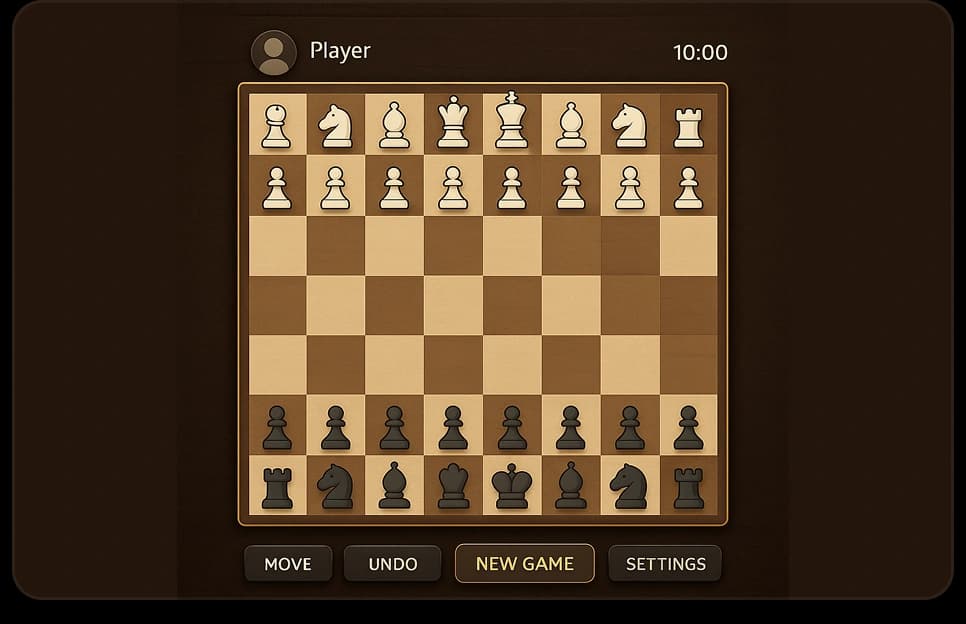
Gukesh D openings have become one of the most studied topics in modern chess, as one of the youngest grandmasters to break into the elite. Gukesh has impressed fans and professionals alike with his fearless play. His games are full of energy, and studying his opening helps us understand how a rising star builds his positions right from move one.
Whether you are a beginner or an advanced player, exploring Gukesh's openings will reveal how he combines classic strategy with modern creativity. In fact, his Gukesh D opening repertoire is now seen as a model for ambitious young players worldwide.
Table of contents
Top Chess Openings Gukesh D Uses For White and Black
The youngest World Chess champion, Gukesh D, knows over 100 chess openings, but here we are going to check out which are the top 9 openings that he uses most frequently and in various scenarios. We will first check out the Chess opening that Gukesh used for White, and then review Black's response.
Gukesh D’s White Openings
When Gukesh has the White pieces, he blends solid foundations with creative attacks. His Gukesh D with White openings include some of the most classical systems, but he always finds ways to make them his own. His winning percentage while using the White pieces is higher than with Black, and much like Magnus Carlsen's opening repertoire, his choices balance tradition with flexibility to provide him with safety.
1. Ruy López / Spanish Opening
This is one of his most trusted openings. The Ruy López ( Spanish Opening ) allows him to pressure Black’s center and build long-term kingside attacks. His choice reflects both tradition and his strategic depth.

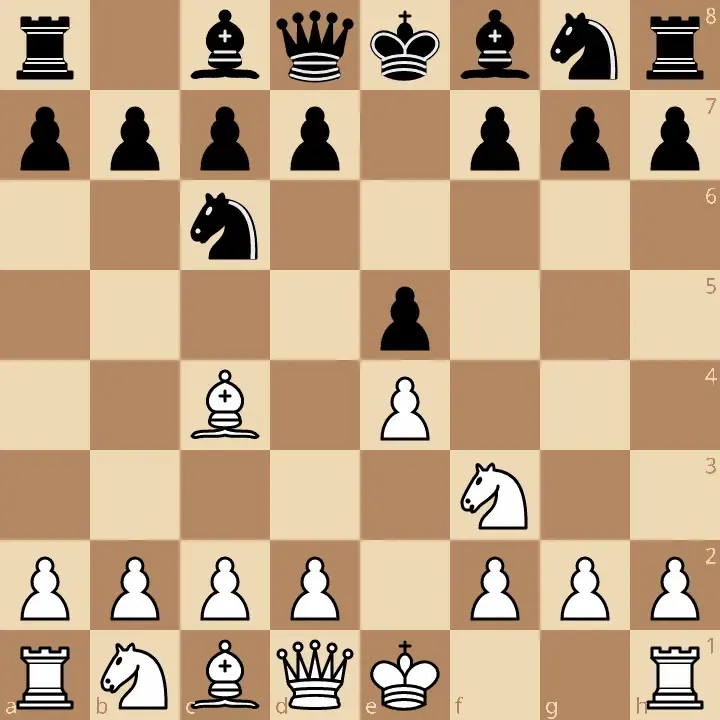
2. Italian Game
The Italian chess opening is a favorite when Gukesh wants fast development and early pressure on f7. It’s one of the most flexible Gukesh D chess openings because he can choose calm maneuvering or sharp tactical play.
3. Scotch Game
When he wants open positions, Gukesh turns to the Scotch Game. This gives him tactical chances early and suits his aggressive style.

4. English Opening
The English Chess Opening helps him avoid heavy theory and shift opponents into quieter positions. It shows the versatility of his Gukesh openings chess approach.

5. Catalan Opening
The Catalan is his strategic weapon, and the catalan chess opening lets Gukesh dominate games with steady, methodical pressure rather than tactical fireworks.

Gukesh D’s Black Openings
With Black, Gukesh is fearless. His Gukesh D defense repertoire proves he is just as comfortable counterattacking as he is building strong defensive setups.
1. Gukesh Chess Opening Against 1.e4 (Sicilian Defence Opening)

Sicilian Defense, Najdorf Variation: Gukesh uses Najdorf quite often because it gives him an option to not just defend but also actively look for the counter-attack, which is why it is known as one of the sharpest openings against 1.e4.
Caro-Kann Defense: Reliable, solid, and great for counterplay. It is one of the safest defenses against the 1.e4 move, which helps him to build a stronger center.
French Defense: A rare surprise weapon that keeps opponents guessing. However, it is pretty rare for him to use the French Defense move.
2. Gukesh Chess Opening Against 1.d4 (King’s Indian Defense)

King’s Indian Defense: It is one of the best aggressive chess openings and dynamic, aiming for counterplay on the kingside.
Nimzo-Indian Defense: More positional and flexible, allowing him to adapt to White’s setup. He uses the Nimzo-Indian Defense when he wants to slow down the game and wants more time to strategize his own moves.
Comparative Strengths & Weaknesses
What Works Well in His Repertoire
One of Gukesh’s greatest strengths is his ability to combine sharp tactical play with a solid understanding of positions. He is not only looking for flashy sacrifices but also knows when to improve his pieces and build pressure quietly. This blend of patience and precision is part of what allowed him to become the youngest chess world champion at just 18 years old.
Another advantage is the variety in his openings. Because he plays so many systems, opponents often struggle to prepare against him. Sometimes he plays the Ruy López, other times the Italian, and occasionally something less expected like the Catalan. This mix makes him unpredictable, which is a big weapon in top-level chess.
At this level of performance, many fans also start to wonder how much do chess grandmasters make and how they build a career in professional chess.
What Challenges Does He Face
The downside of playing sharp openings, such as the Sicilian Najdorf, is that they require an immense amount of study and memorization. If he misses even one idea in preparation, opponents can use theory against him.
Also, Gukesh’s aggressive style can sometimes backfire. By pushing for complicated positions, he risks overextending or giving his opponent counterplay. While this makes him exciting to watch, it also means he has to be extremely precise in his calculations.
How Club Players Can Learn Safely
Don’t copy everything at once. Start with one White opening, such as the Italian, and one Black defense, like the Caro-Kann. Build step by step.
How to Build Your Own “Gukesh-style” Repertoire
To build your own “Gukesh-style” openings, start with just one choice as White. If you prefer quick development and early attacks, the Italian Game is a suitable choice. If you prefer a slow and steady approach, opt for the Ruy López. And if you enjoy open positions with lots of tactics, try the Scotch. Learning one opening well is better than trying to memorize too many at once.
When you play as Black, it’s smart to have two types of defenses. Choose one safe option, such as the Caro-Kann or Nimzo-Indian, which will provide you with solid and steady games. Then add one sharp defense, like the Sicilian Najdorf or the King’s Indian, for more exciting and aggressive battles. Instead of memorizing long lines, focus on the basic ideas behind the moves, so you can play with confidence even if your opponent surprises you.
Conclusion & Action Steps
Studying Gukesh D openings gives players insight into how a modern grandmaster prepares and fights from the very first move. His opening repertoire blends classical ideas with bold creativity. If you want to improve your chess, try adopting one of his systems, practicing by playing chess online, and slowly expanding your repertoire, just as he has.
FAQs
- He plays the Ruy López most often, but also uses the Italian frequently.
- His repertoire includes the Ruy López, Italian, Scotch, English, and Catalan with White, and the Sicilian Najdorf, Caro-Kann, French, King’s Indian, and Nimzo-Indian with Black.
- The Sicilian Najdorf is his favorite defense move against 1.e4.
- Rarely, but he sometimes uses the French Defense or sidelines to surprise opponents.
Albin Counter Gambit: Sharp Chess Opening Guide
Explore the Albin Counter Gambit in depth with opening theory, positional ideas, critical variations, and practical advice for both White and Black. Learn the plans today.
Dutch Defense: Aggressive Ideas and Winning Plans
Master the Dutch Defense chess opening and learn how to win with 1…f5. Explore attacking plans, structures, and practical strategies now.
Queen’s Indian Defense: Theory, Ideas & Main Lines
Queen’s Indian Defense explained with simple ideas, common variations, and practical tips. Discover how to play this powerful chess opening for Black.
Baltic Defense: Aggressive Chess Opening Explained
Discover the Baltic Defense in chess with clear explanations, key plans, and tactical traps. Improve your opening play and surprise rivals today.
Chigorin Defense: Key Ideas, Theory & Traps
Learn the Chigorin Defense with key ideas, main lines, traps, and strategy tips. Discover how Black creates active play against 1.d4.