Cow Opening Chess: Offbeat Setup to Surprise Opponents


Albin Counter Gambit: Sharp Chess Opening Guide
Explore the Albin Counter Gambit in depth with opening theory, positional ideas, critical variations, and practical advice for both White and Black. Learn the plans today.

Dutch Defense: Aggressive Ideas and Winning Plans
Master the Dutch Defense chess opening and learn how to win with 1…f5. Explore attacking plans, structures, and practical strategies now.
Queen’s Indian Defense: Theory, Ideas & Main Lines
Queen’s Indian Defense explained with simple ideas, common variations, and practical tips. Discover how to play this powerful chess opening for Black.

Baltic Defense: Aggressive Chess Opening Explained
Discover the Baltic Defense in chess with clear explanations, key plans, and tactical traps. Improve your opening play and surprise rivals today.

Chigorin Defense: Key Ideas, Theory & Traps
Learn the Chigorin Defense with key ideas, main lines, traps, and strategy tips. Discover how Black creates active play against 1.d4.

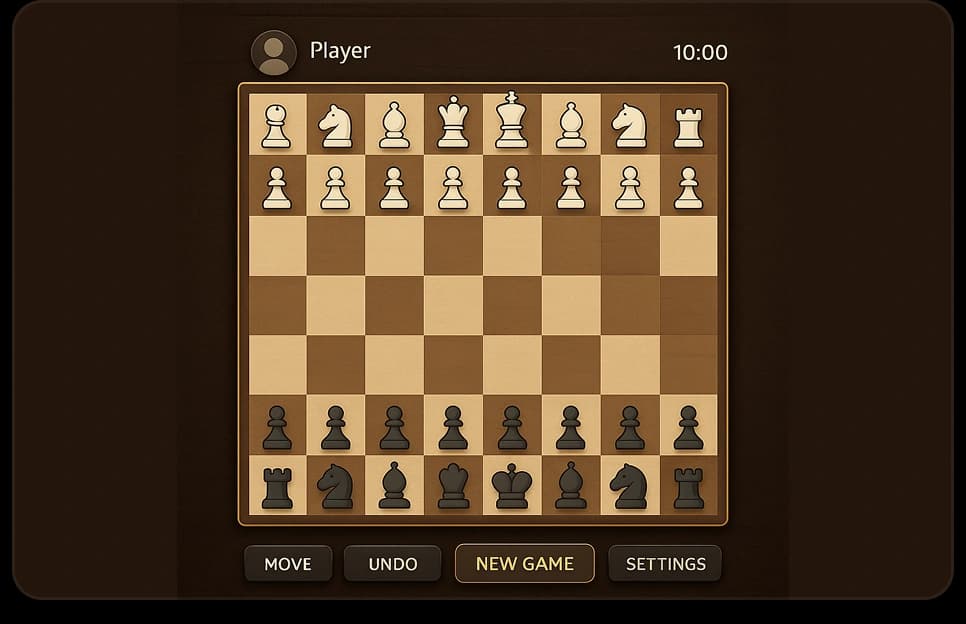
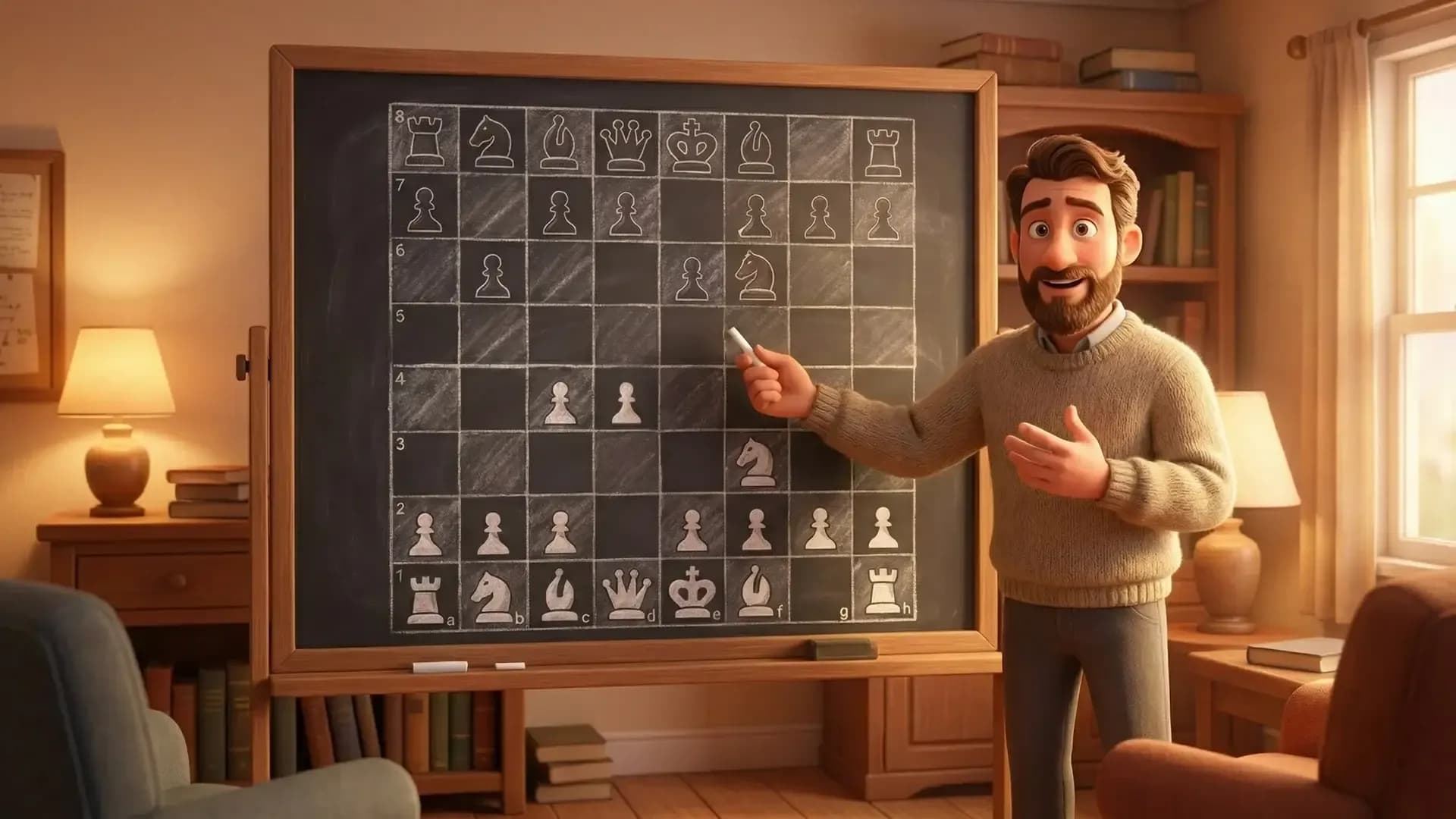
Cow Opening Chess is a super fun way to play chess online and surprise opponents. Unlike normal openings like Italian Game or Sicilian Defence, the Cow Opening skips the center fight and puts knights on b3/g3.
Chess Opening is great for getting better at chess fast through chess traps and blitz chess, which you can even play chess game online. Cow Opening is created by Anna Cramling, who is a chess streamer.
Table of contents
- What Is the Cow Opening in Chess?
- How to Play the Cow Opening (Move-by-Move Guide)
- Chess Cow Opening Ideas and Plans
- When to Use the Cow Opening (and When Not To)
- How to Beat the Cow Opening (counter-play section)
- Common Cow Opening Chess Traps and Tactics
- How Strong Is the Cow Opening? (Practical Evaluation)
- The Cow Opening: Good or Bad?
- Final Thoughts: Cow Opening Chess as a Surprise Weapon
What Is the Cow Opening in Chess?

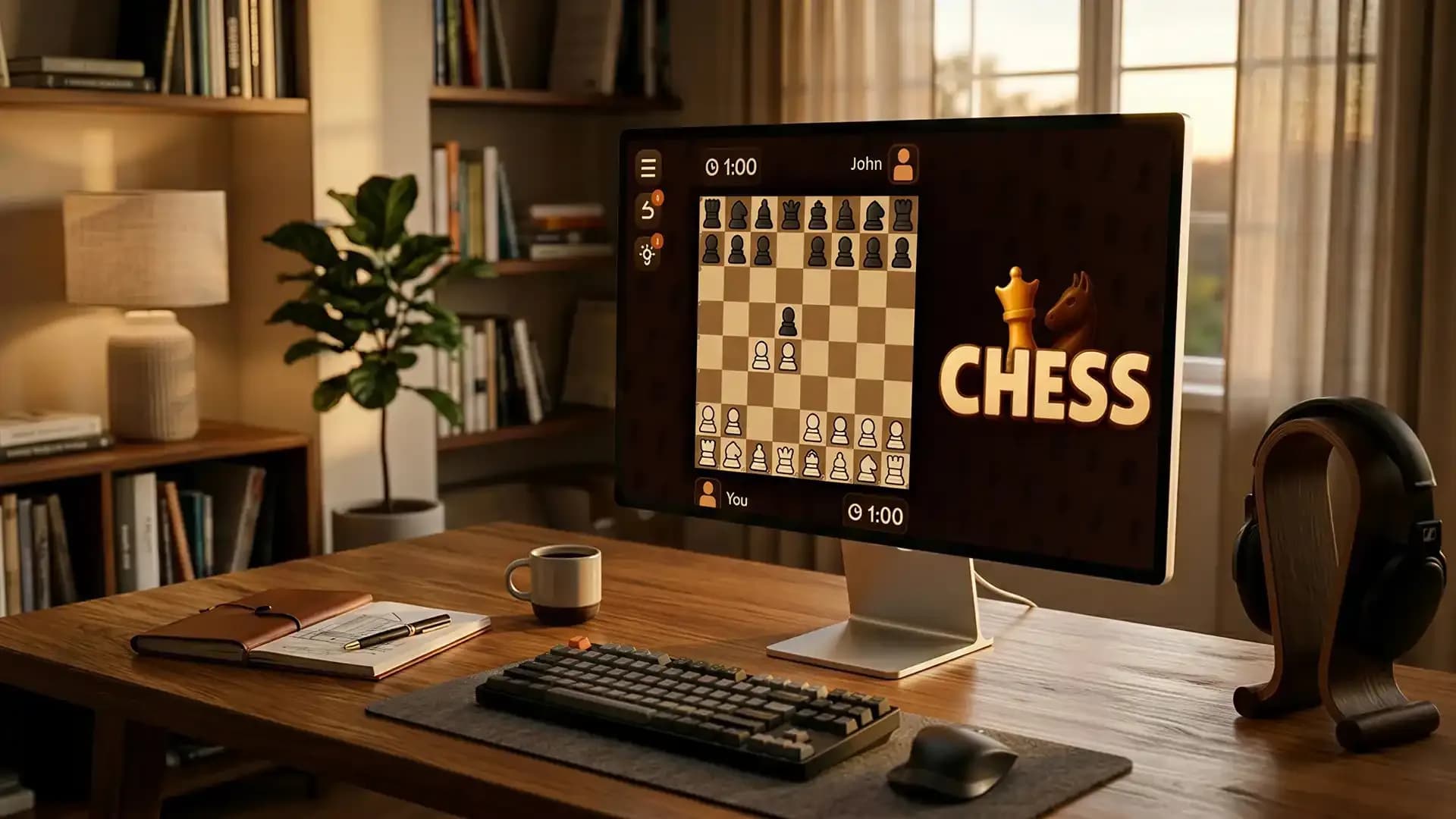
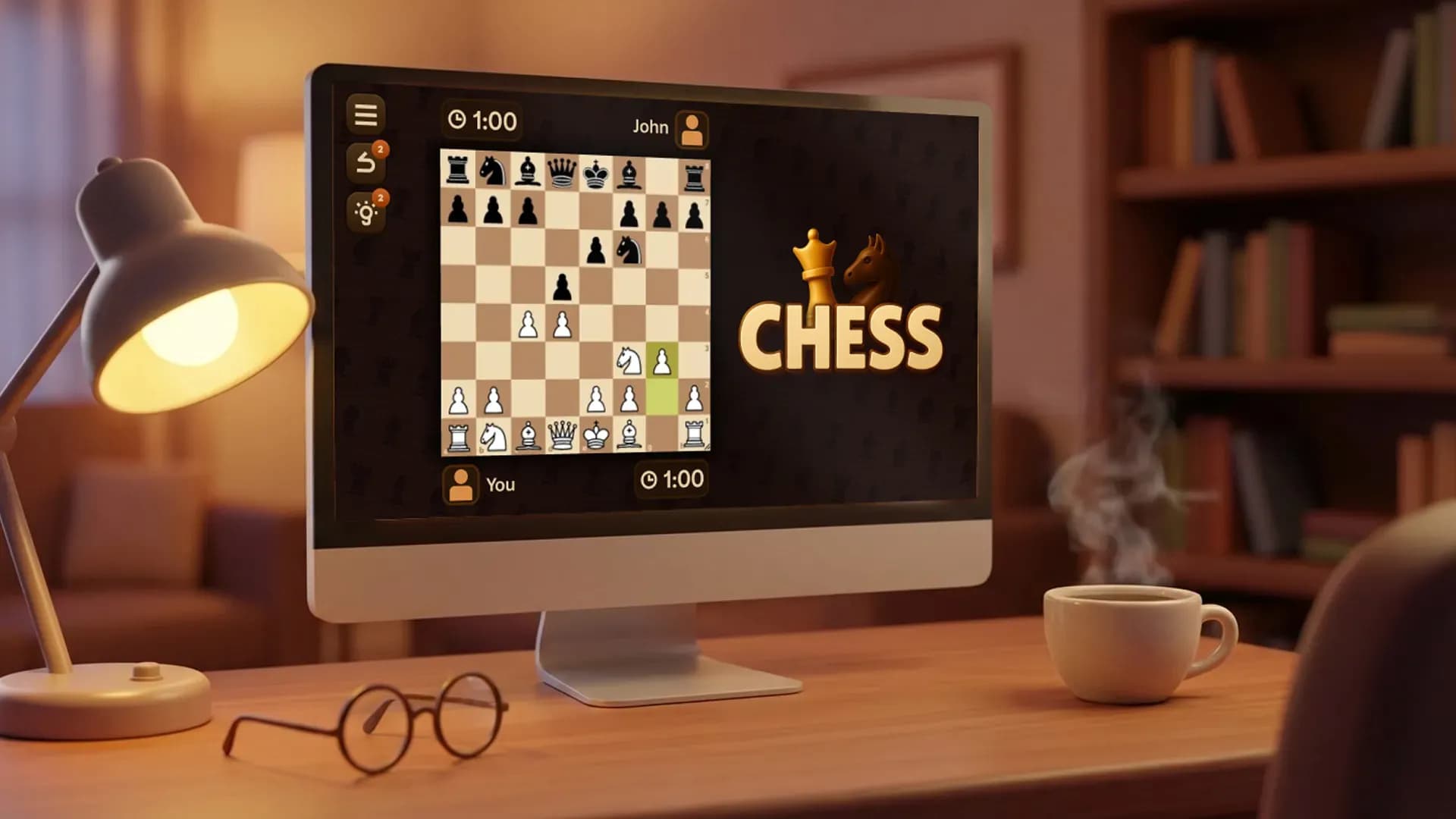
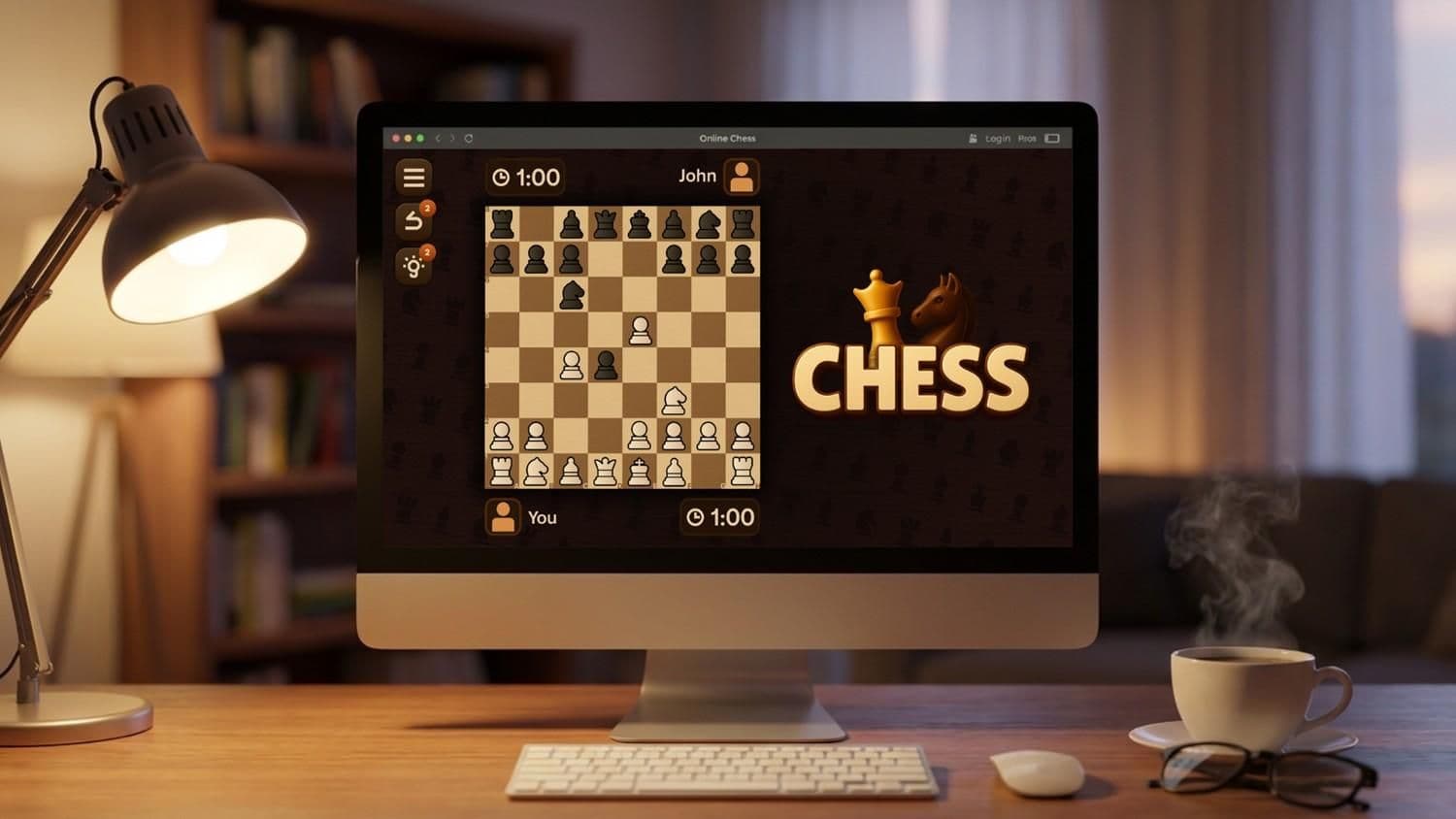
Cow Opening Chess starts with 1.e3 or 1.d3, then d3/e3 pawns, knights to b3/g3. Black can copy. Looks like cow horns! Engines say Black has a +0.3 edge, but humans make mistakes against it.
Why is it called the Cow Opening (origin, meme nature)
WFM Anna Cramling made it famous in a 2023 YouTube video. Knights b3/g3 = cow horns. Tyler1 used it in PogChamps 5. IM Eric Rosen won the title on Tuesday with the Cow Chess Opening!
How it fits into the "offbeat" or irregular opening category
Like the King's Gambit or the London System, the Cow Opening has zero main theory. Chess.com databases show it works at Elo below 1600. Great chess opening trap for online chess apps.
What players hope to achieve with it
Surprise! Skip grandmaster openings, develop knights fast, and attack later. Perfect for improving chess skills without homework.
How to Play the Cow Opening (Move-by-Move Guide)
Standard first moves involved, White Cow Opening Chess:
- e3 (no early fights)
- 1... any
- d3 (pawn support)
- 2... any
- Ne2-g3 (cow horn 1)
- 3... any
- Nb1-b3 (cow horn 2)
Black: Mirror with e6/d6, knights b6/g6.
Alternative move orders players might use
It is super flexible, and you should try:
- 1.Nb3 first, then e3/d3 (ultra-rare surprise)
- 1.d3 instead of e3
- Vs 1...e5: 2.c4 early to challenge center
- Delay bishops until move 6+
Anna Cramling mixes orders, proving no wrong way exists since zero theory binds you.
Why the sequence matters in practice
The d3/e3 pawns block your light-squared bishop temporarily, but free both knights immediately. Normal openings pin your knight (Ngf3), but Cow knights develop safely on flanks. By move 4, opponents face unfamiliar positions while you've completed major development. This tempo advantage equals surprise in rapid chess.
Where this opening deviates from the mainline theory
Move 3! Standard chess plays Nf3/Nc3 to fight in the center. Cow Opening puts knights on b3/g3 instead, completely ignoring the chess piece movements everyone expects. Opponents freeze while you calmly castle.
Chess Cow Opening Ideas and Plans
The Cow Chess Opening trades theoretical soundness for massive surprise. Chess engines hate the cramped bishops, but humans waste 2-3 minutes per move reacting. It is also great because it is a strong chess opening for black and white.
This time advantage wins blitz games. Anna Cramling wins 50% at 2100+ because opponents overthink. Typical piece development plans:
- Knights b3/g3: Pressure c5/f5 squares immediately
- Bishops c1/f1: Stay home until the center clarifies
- Castle kingside: Fast and safe
- Pawns c4/f4: Break center after move 8
- Rooks: Rc1 for c-file pressure
Center control vs flank play considerations
Skip early d4/e4. Let Black build a center, then undermine with pawn breaks. Your flank knights indirectly control d5/e5 through chess forks and pins. Similar to pawn structure concepts in the French Defense, but reversed: Maintaining flexibility and avoiding early weaknesses
Don't push pawns beyond c4/f4 early. Avoid h3/g4 weakening the king, and then use the top Middle-game strategy, Knights trade for central pawns, then dominate the endgame.
When to Use the Cow Opening (and When Not To)
Good Situations for the Cow Opening
- Blitz or rapid games: Time panic equals opponent blunders. Cramling's 50% win rate at 2100 blitz proves it. Perfect chess.com bullet chess weapon.
- Against unprepared opponents: <1600 players or friends expecting the Scotch Game. They panic without chess.com prep.
- Psychological or novelty value: Fun destroys a serious mindset. The best way to improve at chess is to build confidence from surprise wins.
Bad Situations for the Cow Opening
- Classical games vs strong preparation: GMs play ...d5/e5, develop normally, crush the slow center by move 15.
- Against well-prepared response players: 1800+ Elo know exact antidotes. Save Cow for casual.
- High-level tournament play: Tournament points > memes. Use the London System instead.
How to Beat the Cow Opening (counter-play section)
Because the Cow surrenders the center, the most effective counter is simply to take it. When an opponent uses this system, they hope you will panic or overextend in an attempt to find an immediate checkmate. Instead, you can secure a clear structural advantage right out of the gate by playing solid, classical chess.
Best Response vs. The Cow (As Black)
- 1...d5: Immediately occupying the center and claiming space.
- 2...e5 (or ...c5 / ...e6): Expanding further to stake a permanent claim on the board’s central squares.
- 3...Nc6 + ...Nf6: Developing your pieces normally toward the center while White wastes time maneuvering their knights.
Golden Rule Against Passive Openings: When your opponent plays passively, do not mirror them. Expand aggressively, take space, and dictate the tempo of the game.
Key Lines & Variations
- 1.e3 d5 2.d3 e5: Black takes both absolute center squares. White's pieces are cramped, and Black is already strategically better.
- 1.e3 d5 2.d3 c5: Black applies instant queenside pressure, taking control of the c4 square. White’s misplaced knights will actively struggle to find active squares.
3 Principles for Beating The Cow
- Dominate the Core Squares: Control d4, e4, d5, and e5 firmly with your pawns.
- Develop with Urgency: The Cow player will spend the first six moves shifting pieces backward and sideways. Use this time to get your minor pieces out and castle early.
- Do Not Rush the Attack: The Cow’s structure is passive, but it is relatively compact. Don't go for a premature checkmate; instead, grind for a long-term positional advantage.
Common Mistake to Avoid: The biggest trap when facing The Cow is overextending your pawns too quickly out of frustration. Doing this opens up holes in your own lines, allowing the Cow player to counterattack a weakened position in the late middlegame. Keep your structure tight, rely on your space advantage, and let your superior development win the day.
Common Cow Opening Chess Traps and Tactics
Some common chess opening traps and tactics can help give you an advantage by using some of the chess traps.
Passive ...d6/e6 development = your knights rule flanks. Over-aggressive center = hanging pawns.
Simple traps you can set (if opponent responds passively)

1.e3 e5 2.d3 d5 3.Ne2 Nc6 4.Nb3 Nf6?! 5.c4! dxc4 6.Qa4+ wins a pawn
Trap #2: 1.e3 e5 2.d3 d5 3.Nb3 Nc6 4.Ng1-f3? 4...Bb4+ pins knight!
How to exploit early imbalances or awkward development
Ng3 attacks f7 constantly. Qh5+ threatens mate if Black castles early. Chess traps for white shine here.
Why the "surprise factor" matters: Opponents burn 5+ minutes by move 4. You develop on autopilot. Bullet chess perfection!
How Strong Is the Cow Opening? (Practical Evaluation)
What chess engines and theory say: Stockfish 16: Black +0.4 average. White bishops blocked, knights slightly misplaced. No deep theory exists.
Strengths and weaknesses backed by practical examples
Strengths: Zero prep, psychological edge, fast knights, fun!
Weaknesses: Cramped development, engine loss, predictable pawn structure.
Real games: Cramling 52% wins, Rosen titled victories, Tyler1 PogChamps success.
Why is it rarely in databases, but still playable for fun or surprise
<0.1% of chess.com games. Humans > engines below 2000 Elo.
Practical advice for casual vs serious players
Casual: Play everywhere! Serious: Blitz/bullet only. Main repertoire = Italian Game.
The Cow Opening: Good or Bad?
The Cow Opening is a good surprise weapon for blitz chess, chess.com, and for improving at chess through fun wins. Bad for classical tournaments or 2000+ Elo where theory matters.
Final Thoughts: Cow Opening Chess as a Surprise Weapon
Cow Opening Chess transforms online chess from theory battles to fun surprises. Step-by-step plan:
- e3/d3 pawns
- Knights b3/g3
- Castle kingside
- c4/f4 breaks
It is for sure not the chess opening that many grandmasters use, but it is a great opening invented by the streamer that is not an everyday thing, which makes it exciting, and it works for both black and white pieces.
FAQs
- Knights on b3 and g3 look just like cow horns sticking out! WFM Anna Cramling named it this funny way in her 2023 YouTube video. That's why everyone calls it the Cow Opening now.
- Anna Cramling made the Cow Opening famous with her video, but it uses old 1.e3 moves. Her "cow knights" on b3/g3 made this simple setup go viral online.
- Play d3 and e3 pawns first, then put knights on b3 and g3. Ignore opening theory, develop fast, surprise your opponent, then attack the center later with c4 or f4 pushes.
- Yes, Black plays ...d5 or ...e5 to grab the center and target your blocked bishops. Normal development works fine against it. But blitz games create time pressure and human mistakes.
- Objectively, no. The Cow Opening is weak because it gives up the center, giving your opponent an easy advantage if they play correctly. However, it can be useful in fast blitz games or casual matches. It relies on the surprise factor to confuse opponents, and it requires zero memorization to play.
Albin Counter Gambit: Sharp Chess Opening Guide
Explore the Albin Counter Gambit in depth with opening theory, positional ideas, critical variations, and practical advice for both White and Black. Learn the plans today.
Dutch Defense: Aggressive Ideas and Winning Plans
Master the Dutch Defense chess opening and learn how to win with 1…f5. Explore attacking plans, structures, and practical strategies now.
Queen’s Indian Defense: Theory, Ideas & Main Lines
Queen’s Indian Defense explained with simple ideas, common variations, and practical tips. Discover how to play this powerful chess opening for Black.
Baltic Defense: Aggressive Chess Opening Explained
Discover the Baltic Defense in chess with clear explanations, key plans, and tactical traps. Improve your opening play and surprise rivals today.
Chigorin Defense: Key Ideas, Theory & Traps
Learn the Chigorin Defense with key ideas, main lines, traps, and strategy tips. Discover how Black creates active play against 1.d4.