Owen's Defense: Chess Opening Guide & Key Strategies



Albin Counter Gambit: Sharp Chess Opening Guide
Explore the Albin Counter Gambit in depth with opening theory, positional ideas, critical variations, and practical advice for both White and Black. Learn the plans today.

Dutch Defense: Aggressive Ideas and Winning Plans
Master the Dutch Defense chess opening and learn how to win with 1…f5. Explore attacking plans, structures, and practical strategies now.
Queen’s Indian Defense: Theory, Ideas & Main Lines
Queen’s Indian Defense explained with simple ideas, common variations, and practical tips. Discover how to play this powerful chess opening for Black.

Baltic Defense: Aggressive Chess Opening Explained
Discover the Baltic Defense in chess with clear explanations, key plans, and tactical traps. Improve your opening play and surprise rivals today.

Chigorin Defense: Key Ideas, Theory & Traps
Learn the Chigorin Defense with key ideas, main lines, traps, and strategy tips. Discover how Black creates active play against 1.d4.

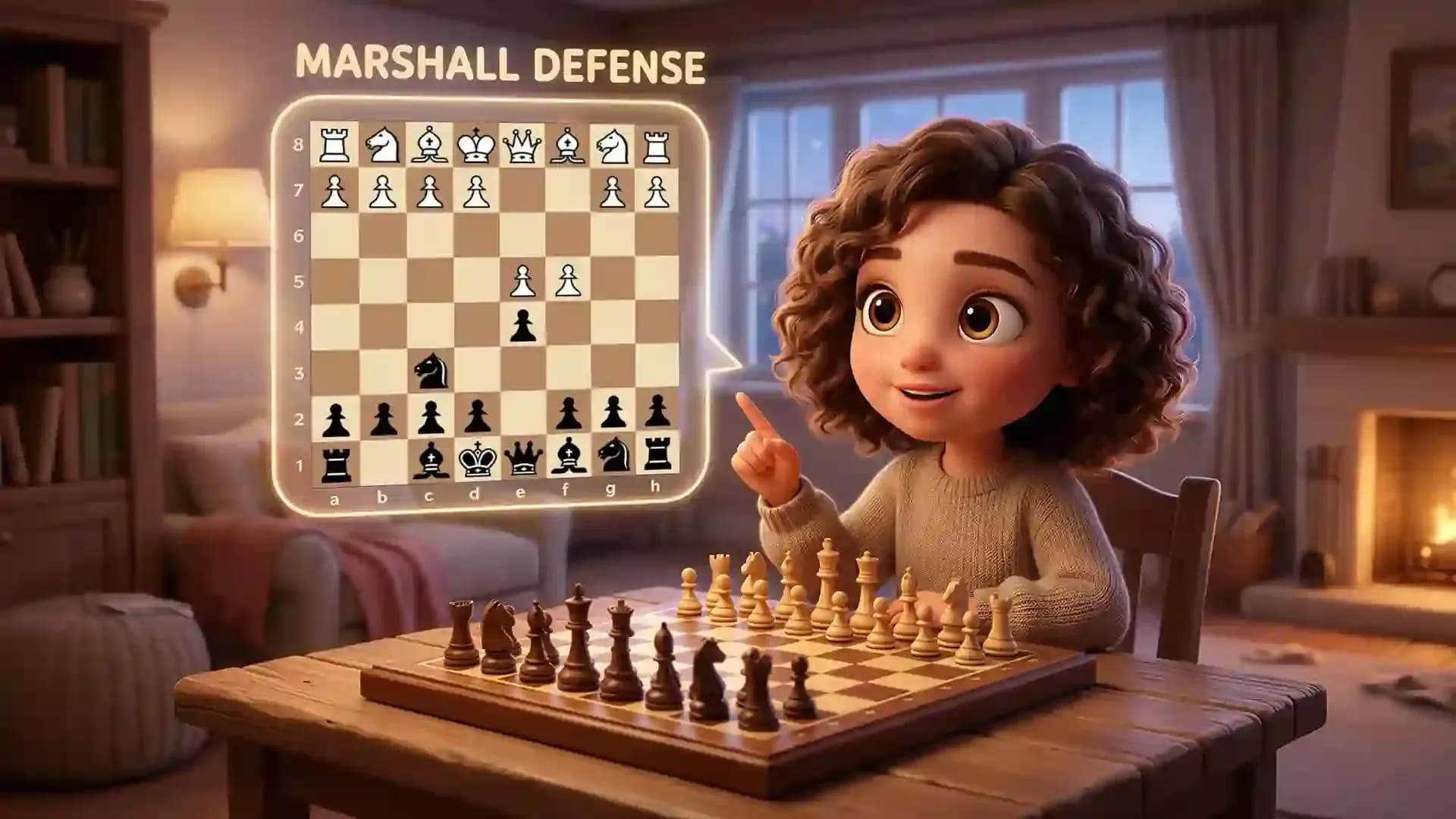
The Owen’s Defense chess opening move is not a regular move that most of the beginners know about or play with, which is why the move becomes quite amazing if you are playing with Black.
Using Owen’s Defense, you can build a solid foundation for your opening in the game, especially if playing against beginners, because many of them would not read or see it. It is also one of the surprise tactics in rapid and blitz chess, where you get less time to place your move. You can use Owen’s defense by playing chess online.
Table of contents
What is Owen's Defense?

Owen's Defense chess starts with 1.e4 b6. Black immediately plans to develop the bishop to b7, aiming at White's pawn on e4. This strategy steers clear of early pawn battles and leads to a less predictable game, giving Black chances to fight back later. Learning Owen's Defense, much like other beginner openings, adds another option to your toolkit.
Why are chess players interested in it?
Many players are interested in studying Owen's defense in chess openings because it's not as popular as the Pawn or Italian Chess openings. White chess openings are the most popular openings, but Owen’s chess openings for black are something everyone is interested in.
What readers will learn from this guide
This guide explains the move orders, main variations, strengths and weaknesses, famous games, and practice tips for using Owen's Defense. Along the way, we'll also touch on chessboard setup, basic chess strategies for beginners, and how Owen's Defense fits into a wider opening strategy.
Understanding Owen’s Defense
Before diving into variations, let’s cover the basics.
Basic Move Order
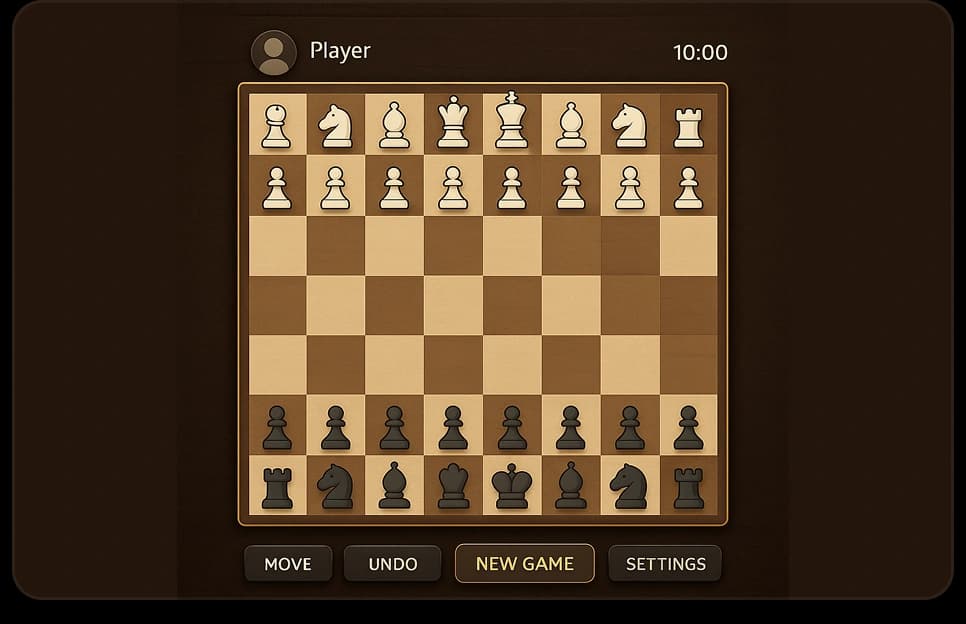
The starting position is 1.e4 b6, followed by Bb7. Black's bishop picks off a central target while the rest of the pieces get in line. This shows the importance of a proper chessboard setup in every game. Beginners can review FIDE’s official guidance on chess rules and piece development.
Owen Defense's first known use in the 19th century is attributed to John Owen while playing a gam with Paul Morphy.
Popularity in Modern Chess
Owen's Defense is not often played during a classical game, but it is commonplace in online games. Defense & tactic drills, as well as corrections for widespread chess beginner problems such as premature pawn structure looseness, are aided by the use of this strategy.
Common Variations
Classical Line
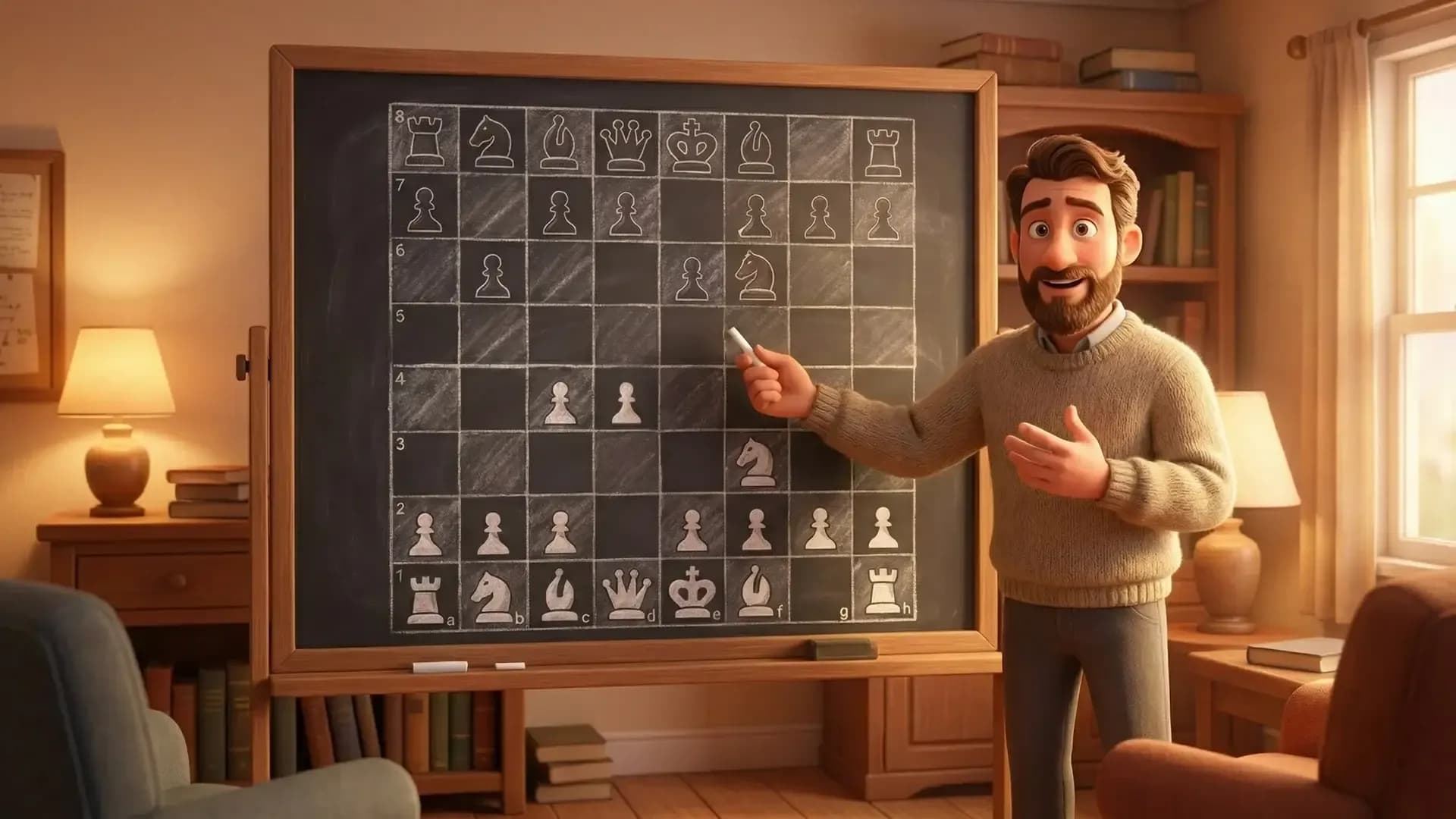
Moves: 1.e4 b6 2.d4 Bb7 3.Bd3 e6 4.Nf3 c5.

Here, Black quickly challenges White’s center with c5, testing their understanding of chess opening strategies for beginners.
Fianchetto Line
Moves: 1.e4 b6 2.d4 Bb7 3.Nc3 e6 4.Nf3 Bb4.

This setup pressures the knight on c3 and often leads to positional battles.
Modern / Unorthodox Variations
Some players delay e6 and instead play g6. These lines feel like tricky chess openings and can confuse unprepared opponents.
Owen Defense Strengths and Weaknesses
Like any system, Owen’s Defense has pros and cons.
Strengths:
- Flexible development and creative play.
- Surprise value, especially in blitz or casual play chess online games.
- Leads to sharp middlegames where both sides can fight.
Weaknesses:
- White often gains a strong center.
- The bishop on b7 can get blocked.
- If Black plays passively, White can quickly create chess checkmate patterns.
Owen’s Defense vs Popular White Openings

Against 1.e4: After 1.e4 b6 2.d4 Bb7, Black goes directly after the pawn on e4.
Against 1.d4: Owen’s Defense is weaker, since the center is already controlled by white.
Against the Italian Game or Ruy Lopez:
While it is true that 1.e4 is the most popular opening for white, the fact that black can still fianchetto tends to be less solid than the recommended defenses. Take the Caro-Kann for example, it is one of the best black openings after 1.e4.
The Most Famous Games that Have Owen's Defense
- John Owen vs Paul Morphy, 1858: This game made Owen’s defense more popular, even though Morphy, a favorite at that time, won the game.
- Modern blitz games: Fast-paced games encourage the Owen’s defense, especially after players see an aggressive opening like the King’s Gambit.
Ways to Improve Owen's Defense
- Beginners: Pay close attention to the b7 bishop and the e6 and c5 pawn-breaks.
- Intermediate players: Expand your chess skill by working on valuable beginner tactics that are simple to learn, especially covering the steps for seizing control of the center.
- Advanced players: Keep it as an additional surprise weapon that can be used to complement an otherwise solid central repertoire.
Mistakes to Avoid: Forgetting chessboard positions, not being able to castle in time, and letting the bishop be trapped or pinned.
Conclusion
The Owen's Defense chess opening is very different compared to other openings so some players use it as their first opening. However, I think it is better suited as an early defensive structure to learn. Most players, especially beginners, would find it very helpful.
FAQ
- It is a move that originated from the King’s Pawn Opening, but with a tweak, John Owen gave it its name after using it many times against top players. It is a grand chess opening for the Black piece.
- It’s practical at the appropriate age to learn chess and at the club level, but not the strongest at the top.
- To improve your game, move your bishop to b7 to strengthen it. Then play …e6 and …c5 to control the center. Finally, castle your king for safety and to connect your rooks.
- Being flexible allows you to adapt and surprise others, but it can also leave you vulnerable and slow to take action.
- White should use basic checkmate patterns and strong central control to keep the bishop quiet.
Albin Counter Gambit: Sharp Chess Opening Guide
Explore the Albin Counter Gambit in depth with opening theory, positional ideas, critical variations, and practical advice for both White and Black. Learn the plans today.
Dutch Defense: Aggressive Ideas and Winning Plans
Master the Dutch Defense chess opening and learn how to win with 1…f5. Explore attacking plans, structures, and practical strategies now.
Queen’s Indian Defense: Theory, Ideas & Main Lines
Queen’s Indian Defense explained with simple ideas, common variations, and practical tips. Discover how to play this powerful chess opening for Black.
Baltic Defense: Aggressive Chess Opening Explained
Discover the Baltic Defense in chess with clear explanations, key plans, and tactical traps. Improve your opening play and surprise rivals today.
Chigorin Defense: Key Ideas, Theory & Traps
Learn the Chigorin Defense with key ideas, main lines, traps, and strategy tips. Discover how Black creates active play against 1.d4.