Mieses Opening (1.d3): The Complete Guide to This Flexible Chess Opening


Albin Counter Gambit: Sharp Chess Opening Guide
Explore the Albin Counter Gambit in depth with opening theory, positional ideas, critical variations, and practical advice for both White and Black. Learn the plans today.

Dutch Defense: Aggressive Ideas and Winning Plans
Master the Dutch Defense chess opening and learn how to win with 1…f5. Explore attacking plans, structures, and practical strategies now.

Queen’s Indian Defense: Theory, Ideas & Main Lines
Queen’s Indian Defense explained with simple ideas, common variations, and practical tips. Discover how to play this powerful chess opening for Black.

Baltic Defense: Aggressive Chess Opening Explained
Discover the Baltic Defense in chess with clear explanations, key plans, and tactical traps. Improve your opening play and surprise rivals today.

Chigorin Defense: Key Ideas, Theory & Traps
Learn the Chigorin Defense with key ideas, main lines, traps, and strategy tips. Discover how Black creates active play against 1.d4.

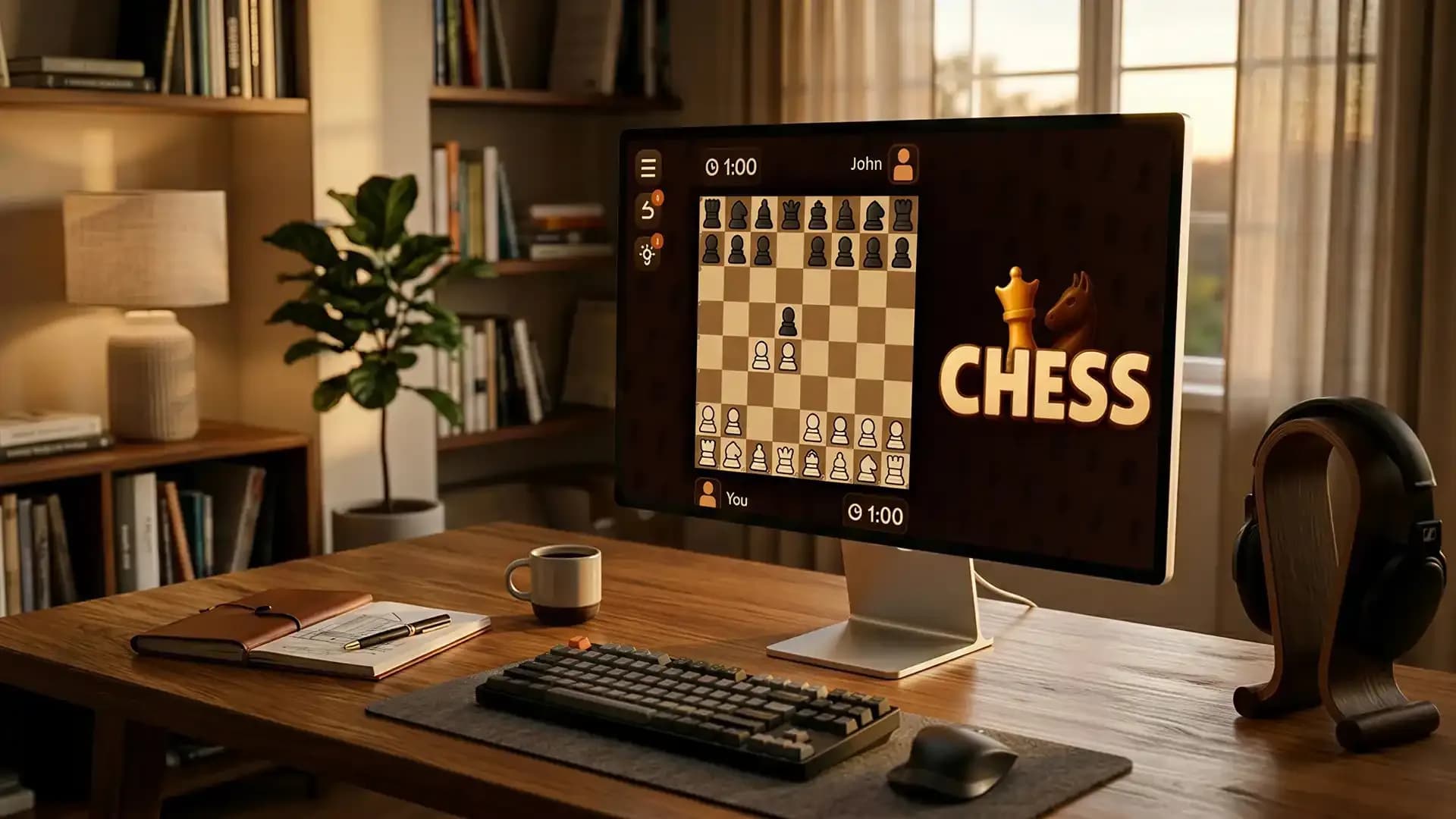
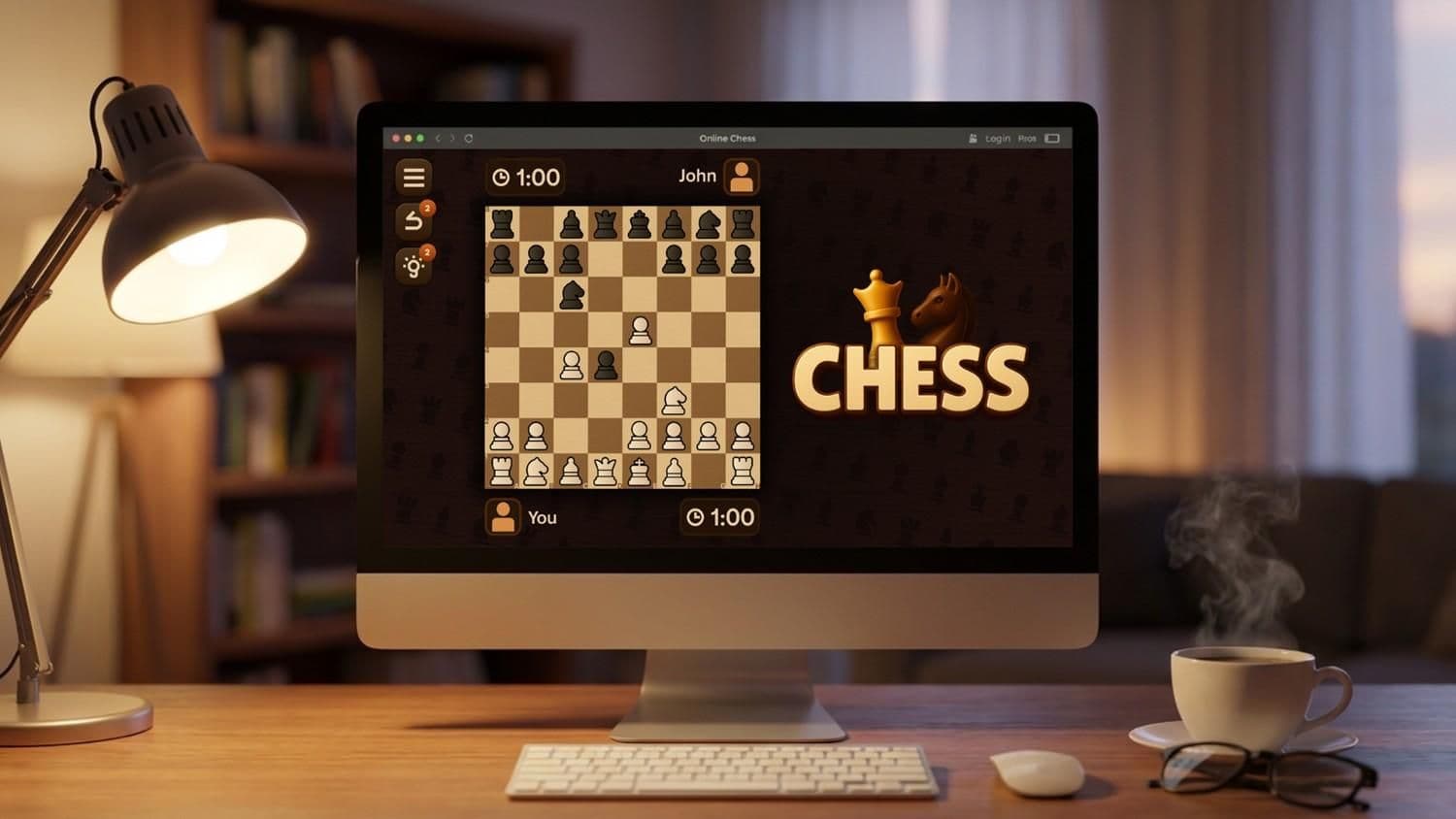
Whether you play chess online or play with a physical board, you must have read about ”The Mieses Opening”. Moreover, this is a rare and hyper-flexible chess opening for White. It begins with the move 1.d3. Unlike aggressive first moves like 1.e4 or 1.d4 that fight for the center immediately, this move is quiet, flexible, and often catches opponents off guard.
Table of contents
Who Was Jacques Mieses?
Jacques Mieses was born in 1865 and passed away in 1954. That is nearly ninety years. He spent most of them playing chess. He was a Grandmaster for both Germany and later Britain, and his career was one of the longest anyone had ever seen. People who watched him play remember his attacking style. He went for bold moves and risky sacrifices. He won a bunch of brilliancy prizes too. He also wrote a ton of chess books back when that was still a big deal.
In 1950, he became the first player to be called a FIDE Grandmaster from Britain. Tartakower, a well-known chess writer, once described Mieses as "bold and elegant." That fits. Today, we call 1.d3 the Mieses Opening because of him. But he also has his name attached to a few other variations — one in the Vienna Game and another in the Scandinavian Defense.
Understanding chess openings is about knowing the ideas behind the moves, not just memorizing lines.
Main Variations of the Mieses Opening
The beauty of 1.d3 is that it is highly transpositional. One should know basic chess openings for beginners before jumping to expert level chess games. Here is how the game usually develops.
1. Mieses Opening: 1...e5 (King's Indian Attack Transposition)
This is the most common response at the club level. By playing 1.d3, White aims to set up a King's Indian Attack (KIA). The typical setup involves:
- g3 and Bg2 (Fianchetto the kingside bishop).
- Nf3 and Nbd2.
- 0-0 and e4 (striking the center).
This leads to a solid, well-understood middlegame ideal for positional players.
Note- The King's Indian attack is one of the most reliable setups for White after 1.d3 e5.
2. Mieses Opening: 1...d5 (Reversed Pirc / Venezolana)
Once you get past the 1400 Elo mark, Black players start getting smarter. They will often hit you with 1...d5. That move claims the center right away and puts pressure on White to come up with a plan.
Here, White ends up playing a reversed version of the Pirc Defence or Modern Defense. You fianchetto your kingside bishop, develop your knights, and look for a pawn break with c4 or e4 to challenge Black's grip on the center. Interestingly, the whole setup starts to look like a Pirc Defense, just with colors swapped.
3. Mieses Opening: Reversed Rat Variation
This one comes up when Black plays 1...e5. They call it the "Reversed Rat" because it mirrors the Rat Defense, that is 1.e4 d6 from Black's perspective, but now White is playing the same structure. The pawns stay flexible, but White often throws in c3 and Qc2 to support pushing d3-d4 later on.
4. Closed Sicilian Transposition
If Black tries 1...c5 or 1...g6, you can easily switch gears and go into a Closed Sicilian. You just play e4, Nc3, and g3. That way, you bypass the huge theoretical mess of the Open Sicilian with 2.Nf3. Smart move if you do not want to spend hours memorizing lines while playing chess online.
Key Strategic Ideas for White (How to Actually Play It)
- Treat it as a KIA Move Order: Your real plan is straightforward. Play g3, Bg2, Nf3, castle, and push e4 when the time is right. Do not go crazy pushing random pawns for no reason.
- Let Black Show Their Hand: Playing 1.d3 gives Black all the freedom in the world. But here is the catch. They cannot use their favorite prepared lines against 1.d4 or 1.e4. That throws a lot of players off.
- Avoid Wasting Tempos: Focus on developing your pieces. Do not play moves like a2-a3 or h3 unless you really have to. Every tempo counts.
- Time Control Matters: The stats show that this opening works better in faster games like Bullet or Blitz. The surprise factor catches people off guard when they do not have time to think.
If you are a Black player who enjoys the King's Indian Defense, you will find the KIA setup pretty familiar. Just remember the colors are reversed.
Pros and Cons of the Mieses Opening
| Pros | Cons |
|---|---|
| Flexible: Transposes into many known systems (KIA, Closed Sicilian). | No Central Control: Does not fight for space on move one. |
| Avoids Theory: Great for players who hate memorizing 20 moves of mainline theory. | Gives Black Freedom: Black gets to choose the structure on move one. |
| Surprise Value: Excellent for blitz and club-level chess. | Locks the Bishop: The c1-bishop is temporarily blocked by the d3 pawn. |
| Move Order Trick: Prevents specific lines like the Open Sicilian or the Nimzo-Indian. | Statistics: Scores slightly worse statistically than 1.e4 or 1.d4 at the master level. |
How Should Black Respond to 1.d3?
Black generally scores well against the Mieses Opening by claiming the center.
- 1...d5 (Solid): The most popular response at high levels. Black occupies the center and White has no immediate way to challenge it.
- 1...e5 (Classical): Leads to KIA positions. Black should play aggressively on the queenside to counter White's kingside attack.
- 1...Nf6 (Flexible): Keeps options open. White can transpose into a Reti-style game.
- 1...c5 (Sicilian in reverse): Black signals a Closed Sicilian structure, which tends to be a battle of attacking wings.
Choosing one of the best chess defenses against 1.d3 usually means claiming the center with d5 or e5.
Key Principle for Black: Do not overpress. Treat the position like a King's Indian Attack where you are playing White. Solid development and a central pawn duo (d5/e5 or d5/c5) will usually give Black a comfortable edge.
Mieses Opening Chess Win Rates at a Glance
| Time Control | White Wins | Black Wins | Draws |
|---|---|---|---|
| Overall | 45.7% | 49.5% | 4.8% |
| Bullet | 49.0% | 47.8% | 3.2% |
| Blitz | 46.3% | 49.0% | 4.7% |
| Rapid | 43.1% | 51.5% | 5.3% |
Data: Source
Interpretation: The Mieses is a decent surprise weapon in Bullet and Blitz where your opponent has no time to punish the passive first move. In Rapid formats, Black has a clear statistical advantage.
FAQs
- It is an irregular chess opening defined by the first move 1.d3. It prioritizes flexibility and transposition over immediate central control.
- It is playable but not considered best by theory. It is good as a surprise weapon or for players who want to avoid heavy opening preparation, but 1.d4 or 1.e4 are statistically better for winning.
- It is a specific line starting with 1.d3 e5. It is called "reversed" because it mirrors Black's Rat Defense (1.e4 d6) with colors swapped.
- Yes. Garry Kasparov faced 1.d3 from Deep Blue in Game 3 of their famous 1997 match. The game ended in a draw.
- Yes. The Mieses Opening (1.d3) is sometimes referred to as the Valencia Opening in different databases.
Albin Counter Gambit: Sharp Chess Opening Guide
Explore the Albin Counter Gambit in depth with opening theory, positional ideas, critical variations, and practical advice for both White and Black. Learn the plans today.
Dutch Defense: Aggressive Ideas and Winning Plans
Master the Dutch Defense chess opening and learn how to win with 1…f5. Explore attacking plans, structures, and practical strategies now.
Queen’s Indian Defense: Theory, Ideas & Main Lines
Queen’s Indian Defense explained with simple ideas, common variations, and practical tips. Discover how to play this powerful chess opening for Black.
Baltic Defense: Aggressive Chess Opening Explained
Discover the Baltic Defense in chess with clear explanations, key plans, and tactical traps. Improve your opening play and surprise rivals today.
Chigorin Defense: Key Ideas, Theory & Traps
Learn the Chigorin Defense with key ideas, main lines, traps, and strategy tips. Discover how Black creates active play against 1.d4.